





Every workplace has potential hazards, whether it is an office, warehouse, construction site, or electrical business. Without proper planning, these hazards can lead to accidents, injuries, and costly disruptions.
This is where health and safety management becomes important. A structured system helps businesses identify risks, put safety measures in place, and create a safer workplace for everyone. It also helps employers meet legal requirements and improve overall business performance.
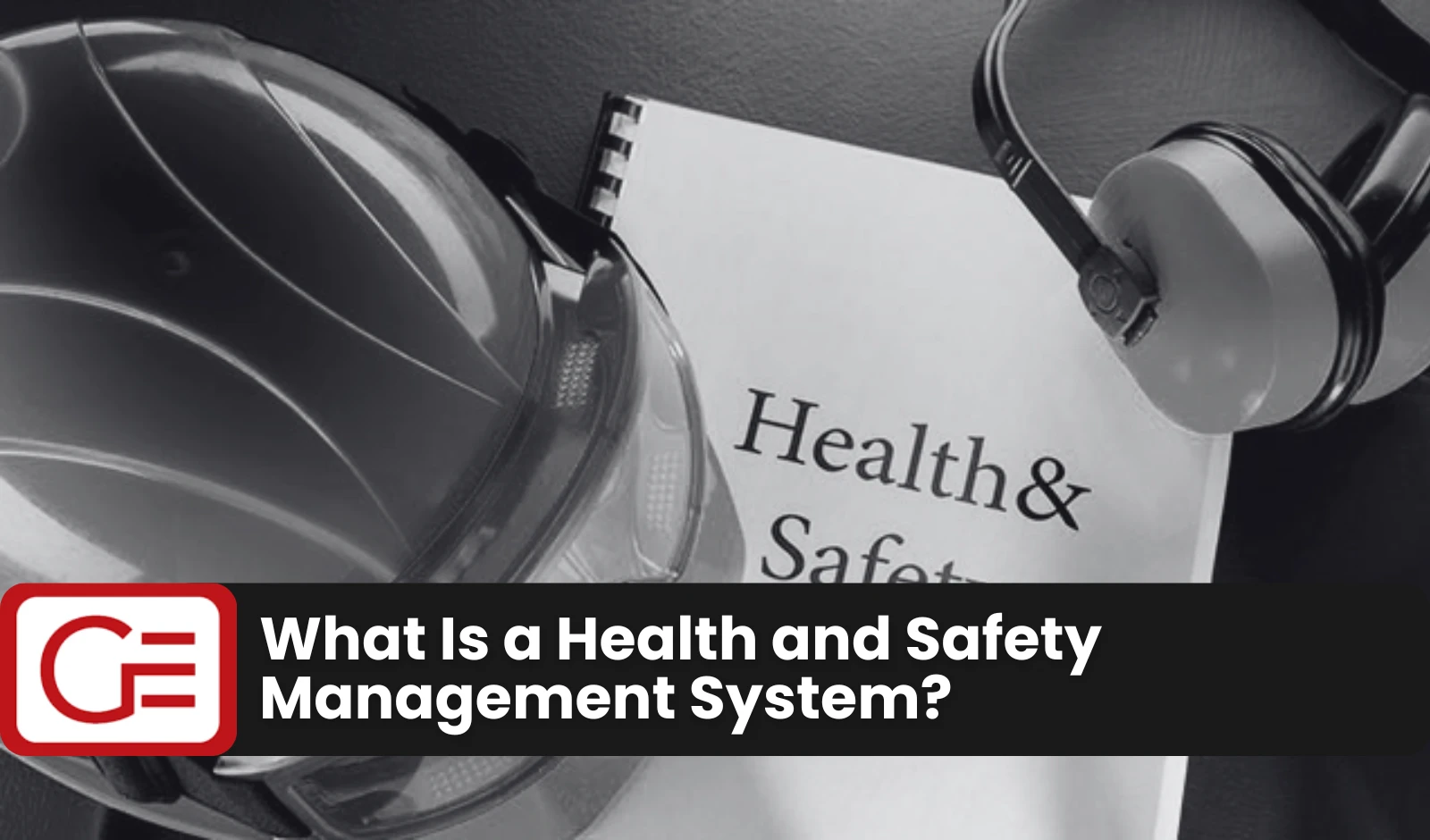
What Is a Health and Safety Management System?
A health and safety management system is a set of policies, procedures, and processes that help businesses manage workplace risks. The goal is simple: protect workers from harm while creating a safe and productive working environment.
A typical system focuses on:
- Identifying hazards
- Assessing risks
- Implementing control measures
- Monitoring safety performance
- Reviewing and improving procedures
When properly implemented and maintained, the system helps reduce incidents and supports long-term safety goals.
Why Is Workplace Health and Safety Important?
Workplace health and safety protects employees, contractors, visitors, and customers.
Without effective safety procedures, businesses may face:
- Workplace injuries
- Property damage
- Lost productivity
- Increased costs
- Legal issues
Managing health and safety effectively helps reduce these risks and supports employee safety every day. A safer workplace also helps improve staff confidence and morale.
The Role of Risk Management
Risk management is one of the most important parts of a health and safety management system.
Risk management involves:
- Identifying hazards
- Assessing risks
- Determining the level of risk
- Applying suitable control measures
This process helps businesses understand what could go wrong and how to prevent it.
For example, electrical businesses may identify hazards related to electrical maintenance, working at heights, or using specialised equipment. Once hazards are identified, steps can be taken to reduce the risks.
Key Elements of a Health and Safety Management System
Most systems include several important components.
Safety Policies
Safety policies explain the company's commitment to workplace health and safety. They provide clear expectations for workers and management.
Training and Education
Employees need proper training to work safely. Training helps workers understand hazards, follow procedures, and respond to emergencies.
Hazard Identification
Regular inspections help identify new hazards before they cause problems.
Incident Reporting
Recording incidents and near misses helps businesses learn from past events and improve safety processes.
Regular Review
Safety systems should not remain unchanged. A regular review helps businesses identify gaps and make improvements when needed.
How Businesses Use Health and Safety Management Systems
Businesses use these systems to create safer workplaces and manage risks more effectively.
The system helps organisations:
- Improve employee safety
- Reduce workplace incidents
- Ensure compliance with regulations
- Support continuous improvement
- Build a positive safety culture
Many businesses use health and safety systems as part of their daily operations rather than treating safety as a separate task.
Understanding ISO 45001
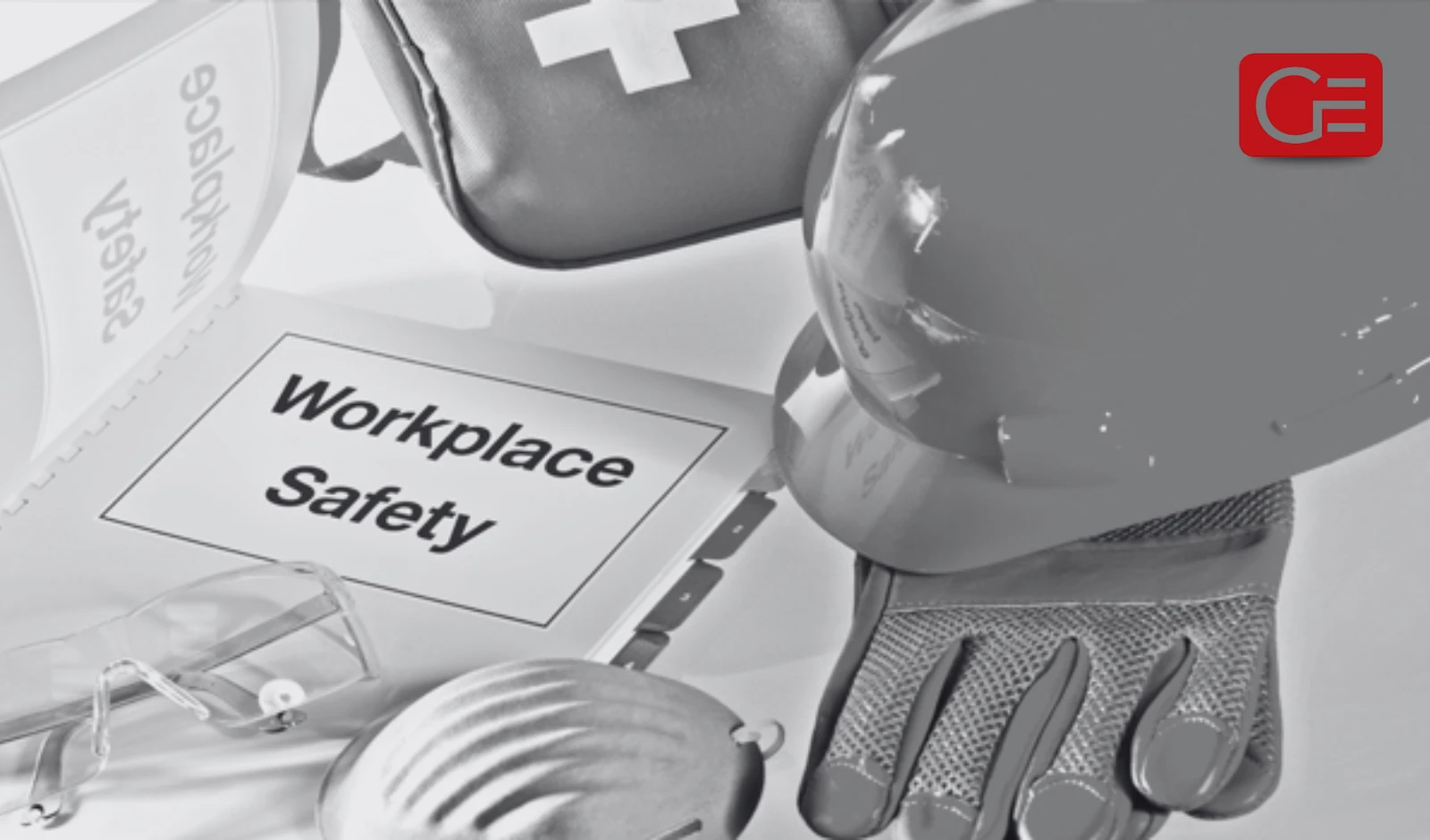
ISO 45001 is an internationally recognised standard for occupational health and safety management systems.
The standard provides a framework for:
- Managing workplace risks
- Improving safety performance
- Protecting workers
- Supporting continuous improvement
Many organisations use ISO 45001 to align their safety systems with international standards and demonstrate their commitment to workplace safety.

Health and Safety Requirements in New Zealand
New Zealand businesses must comply with workplace safety laws, including the Work Act 2015 and HSWA. Under these legal requirements, employers must take reasonable steps to protect workers and others who may be affected by workplace activities.
This includes:
- Assessing risks
- Managing hazards
- Providing training
- Maintaining safe equipment
- Monitoring workplace conditions
Following these requirements helps businesses ensure compliance and reduce the risk of workplace incidents.
Building a Strong Safety Culture
A successful health and safety management system is not only about policies and paperwork. A strong safety culture encourages everyone to take responsibility for workplace safety.
This includes:
- Reporting hazards
- Following procedures
- Participating in training
- Looking out for co-workers
When safety becomes part of everyday work, businesses are better able to manage risk and protect their employees.
Health and Safety in Electrical Work
Electrical work often involves higher levels of risk. Businesses providing electrical maintenance services must pay close attention to safety procedures and hazard controls.
Whether the work is completed by a commercial electrician NZ business or a registered electrical team, effective safety systems help reduce risks and support safer outcomes. Safety planning also helps businesses manage projects more efficiently and reduce costly disruptions.
Final Thoughts
A health and safety management system provides a structured way to protect workers, manage risks, and improve workplace safety. By identifying hazards, implementing control measures, and regularly reviewing procedures, businesses can create safer and more productive working environments.
Strong safety systems do more than meet legal requirements. They support employee safety, encourage continuous improvement, and help build a workplace culture where safety remains a priority every day.
Build a Safer Workplace with Professional Electrical Services
Safe electrical systems play an important role in workplace health and safety. Whether you need electrical maintenance or professional electrical services, Grammar Electrical is here to help.
Call us on 09 884 6611 or book online and save $15.
Auckland’s Trusted Electricians
Fast, reliable electrical repairs, installations & upgrades - available 24/7.
Book Online & Save $15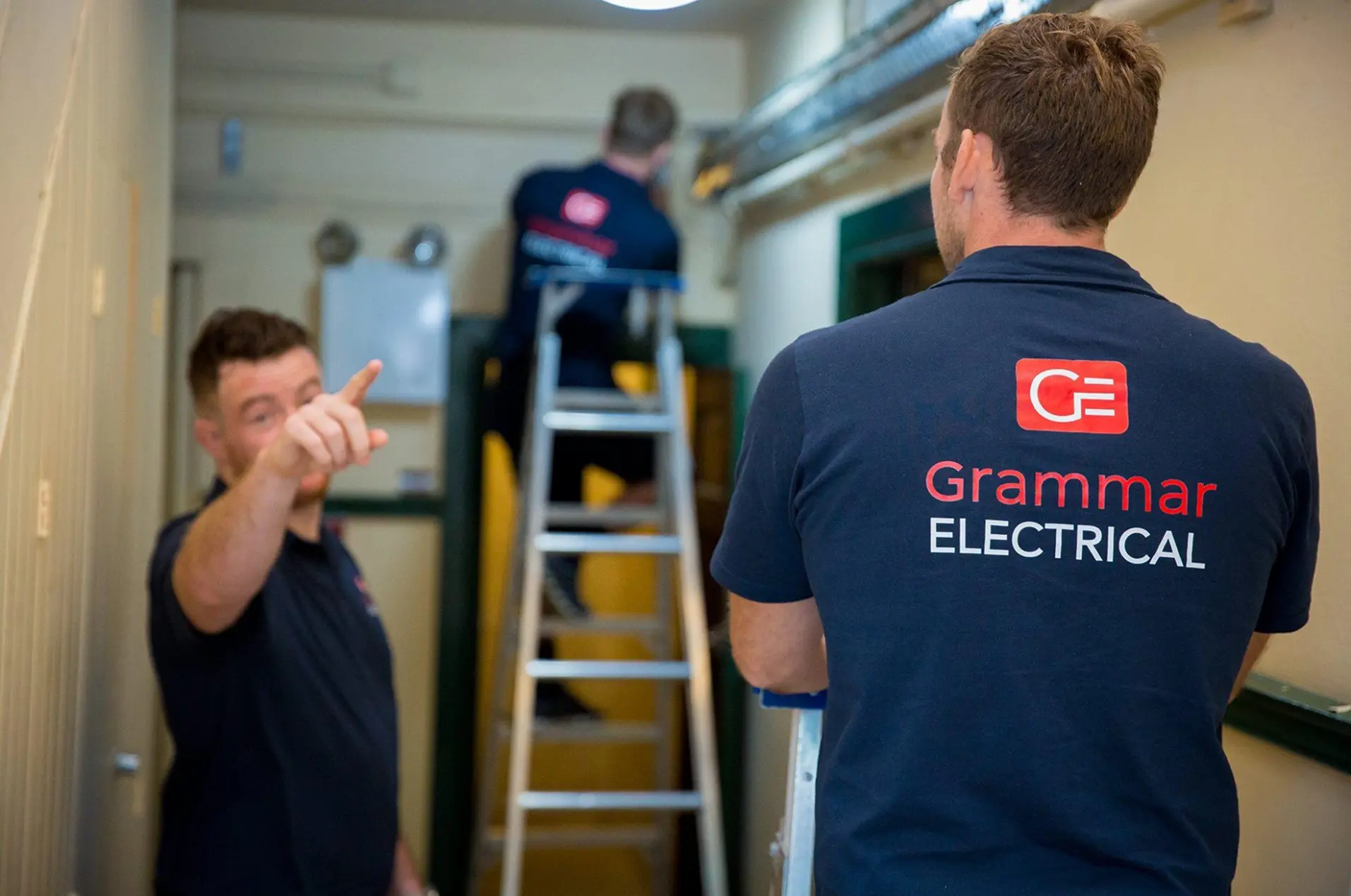


Got a question?
Contact us for a FREE installation quote or book your job online today.
Same Day Service Guarantee - Terms & Conditions

The "Same Day Service Guarantee or it's Free" applies to:
a. Residential work and Commercial only.
b. Jobs specified as needing same day service when booking a job by phone or online.
c. Residential and Commercial work booked with Grammar Electrical:
i) Before 11:00AM
ii) For calls or online bookings received after 11:00AM, the customer will be offered a job. Booking for the next business day and normal callout fees ($170+ GST) will apply.
iii) Any other jobs booked outside business hours (9:00AM - 5:00PM Monday- Friday) will incur after hours charges.
iv) This offer is excluded for jobs booked on New Zealand public holidays.
d. If Grammar Electrical are unable to attend on the same day (within 24 hours) for a job booked by the customer, the standard callout fee of $170 + GST will be waived and is free, but all other normal charges, fees and expenses will apply to perform the Electrical Services and to provide any products/materials concerning those services.
e. The Standard Callout Fee will be deducted from your bill as long as you pay within your invoice's due date. The callout charge is applicable if your invoice is overdue.
f. If Grammar Electrical are willing and able to perform the Service or provide the Goods on the same day the job is booked, however the Customer for whatever reason does not give access to their property on the day, Grammar Electrical will be deemed to have complied with it's "Same Day or it's Free" guarantee and shall be entitled to charge the customer the standard call-out fee.
g. This offer is not a guarantee of work being completed. The completion of the job will depend on stock availability and also the amount of work required.