







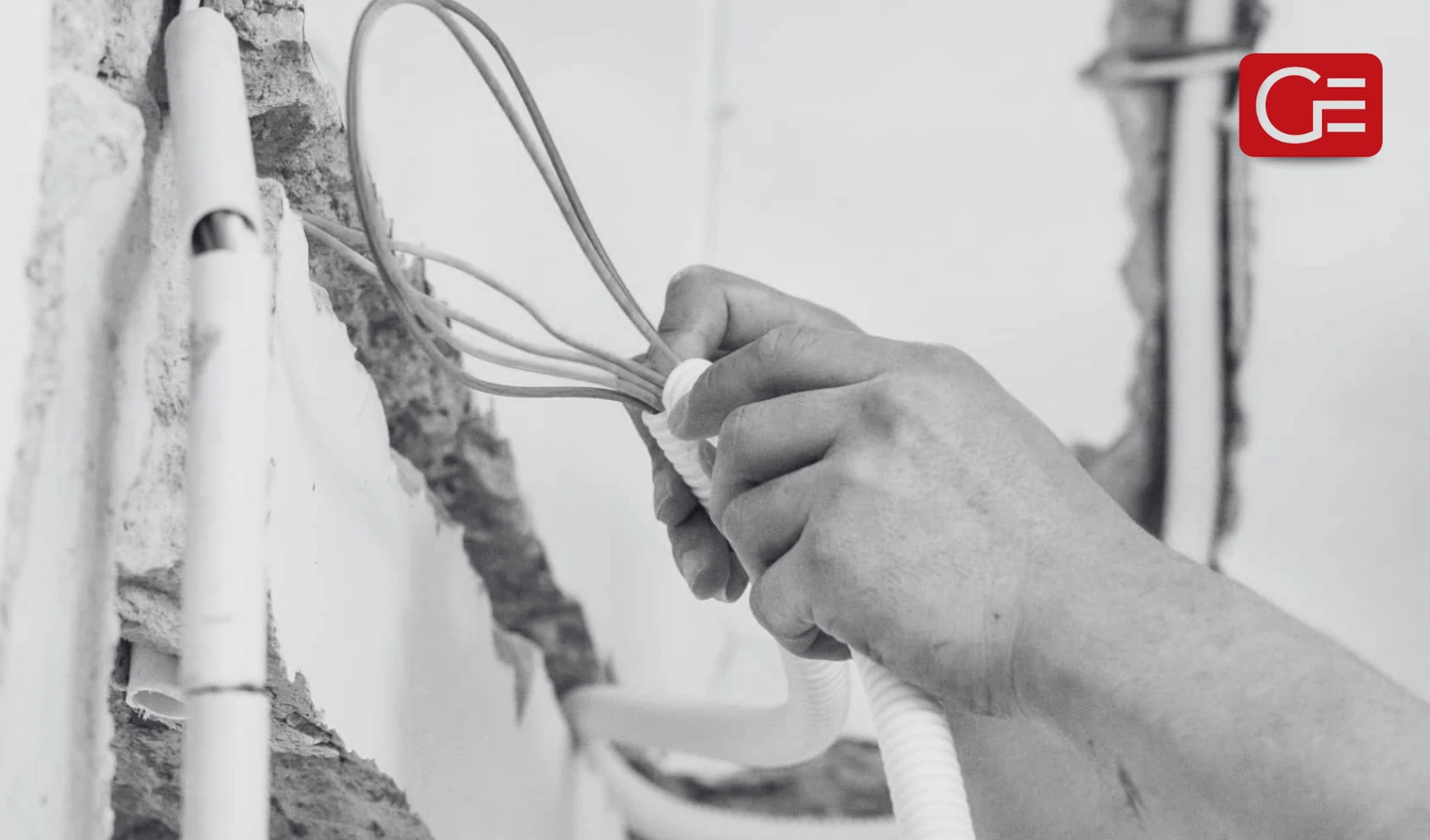


Old wiring can create safety risks and make it harder for your home to support modern appliances and technology. If you are planning renovations or experiencing electrical issues, you may be wondering about the cost to rewire a house.
The cost to rewire a house that NZ homeowners pay depends on several factors, including the age of the property and the condition of the existing wiring. Understanding these factors can help you plan your project with confidence.
Why Would a House Need Rewiring?
Electrical wiring wears out over time. Older wiring may no longer meet current safety standards or support modern electrical demands.
Common signs a house may need rewiring include:
- Flickering lights
- Frequent circuit trips
- Burning smells
- Damaged outlets
- Outdated wiring
Many older homes were built before today's appliances and technology became common. As a result, their wiring systems may struggle to handle increased power use.
What Affects the Cost to Rewire a House?
Several factors can affect rewiring costs.
These include:
- The size of the home
- The age of the property
- The condition of the current wiring
- Access to walls and ceilings
- The amount of electrical work required
For example, a 3-bedroom house may require more labour and materials than a smaller property. Homes with difficult access may also take longer to complete. Because every home is different, house costs can vary significantly.
Full Rewire or Partial Rewire?
Not every home needs a complete replacement of its wiring.
Full Rewire
A full rewire replaces most or all of the wiring throughout the property. This option is often recommended when wiring is outdated or damaged.
A full rewire may also include:
- New outlets and switches
- Updated safety devices
- New circuit wiring
- Electrical safety certification
Partial Rewire
A partial rewire focuses on specific rooms or circuits.
This option may be suitable when:
- Only part of the wiring is outdated
- A renovation affects one area
- Some circuits remain in good condition
A residential electrician can inspect the property and recommend the best option.
Older Homes Often Need More Work
Older homes often require more extensive upgrades because they may contain outdated wiring and older electrical components.
In some cases, older wiring may not meet current safety standards. Replacing outdated wiring helps improve safety and reliability throughout the home. Rewiring can also prepare the property for future electrical upgrades.
Modern Electrical Demands
Today's homes use more electricity than ever before. Many households now rely on:
- Heat pumps
- Home office equipment
- Smart home devices
- Entertainment systems
- Kitchen appliances
Older wiring systems may not have the capacity to support these electrical demands safely. A rewiring project helps ensure your home can handle current and future electrical needs.

Safety and Insurance Considerations
One of the biggest reasons homeowners choose to rewire a house is safety.
Faulty or outdated wiring can increase the risk of:
- Electrical faults
- Power outages
- Equipment damage
- Fire hazards
Some insurance company providers may also have concerns about homes with outdated electrical systems. Updated wiring can provide peace of mind and help reduce potential risks.
Why Professional Installation Matters
Rewiring should always be completed by licensed electricians. Working with electrical wiring requires specialist knowledge and must meet current safety regulations. A registered electrician can assess your wiring, identify potential hazards, and complete the work safely.
When comparing electrician rates, NZ homeowners should look beyond price alone. Quality workmanship helps ensure long-term safety and reliable performance. If an urgent issue arises, an emergency electrician can also assist when needed.
Can Rewiring Save Money?
Although rewiring is a major investment, it may help save money over time.
Updated wiring can:
- Reduce future repair costs
- Improve system reliability
- Support modern appliances
- Reduce electrical issues
Many homeowners see rewiring as a long-term investment in their property's safety and value.
Final Thoughts
The average cost to rewire a house depends on the property's size, the condition of the wiring, and the amount of work required. Every home is different, which is why a professional assessment is important.
If your home has outdated wiring or recurring electrical issues, rewiring can improve safety, reliability, and peace of mind. Upgrading your wiring today can help prepare your home for the future.
Rewire Your Home with Confidence
Outdated wiring can affect the safety and performance of your home. A professional assessment can help determine whether you need a full rewire or targeted upgrades.
Grammar Electrical provides trusted rewiring services across Auckland. Call Grammar Electrical on 09 884 6611 or book online and save $15.
Auckland’s Trusted Electricians
Fast, reliable electrical repairs, installations & upgrades - available 24/7.
Book Online & Save $15




Got a question?
Contact us for a FREE installation quote or book your job online today.
Same Day Service Guarantee - Terms & Conditions

The "Same Day Service Guarantee or it's Free" applies to:
a. Residential work and Commercial only.
b. Jobs specified as needing same day service when booking a job by phone or online.
c. Residential and Commercial work booked with Grammar Electrical:
i) Before 11:00AM
ii) For calls or online bookings received after 11:00AM, the customer will be offered a job. Booking for the next business day and normal callout fees ($170+ GST) will apply.
iii) Any other jobs booked outside business hours (9:00AM - 5:00PM Monday- Friday) will incur after hours charges.
iv) This offer is excluded for jobs booked on New Zealand public holidays.
d. If Grammar Electrical are unable to attend on the same day (within 24 hours) for a job booked by the customer, the standard callout fee of $170 + GST will be waived and is free, but all other normal charges, fees and expenses will apply to perform the Electrical Services and to provide any products/materials concerning those services.
e. The Standard Callout Fee will be deducted from your bill as long as you pay within your invoice's due date. The callout charge is applicable if your invoice is overdue.
f. If Grammar Electrical are willing and able to perform the Service or provide the Goods on the same day the job is booked, however the Customer for whatever reason does not give access to their property on the day, Grammar Electrical will be deemed to have complied with it's "Same Day or it's Free" guarantee and shall be entitled to charge the customer the standard call-out fee.
g. This offer is not a guarantee of work being completed. The completion of the job will depend on stock availability and also the amount of work required.