





Emergency lighting is an important safety feature in many New Zealand buildings. It helps people find their way if the normal lights go out.
Knowing the emergency lighting requirements in NZ can help keep your building safer. It also helps make sure your lighting system is ready when an emergency happens.
What Is Emergency Lighting?
Emergency lighting is a backup lighting system. It turns on if the main power supply stops working.
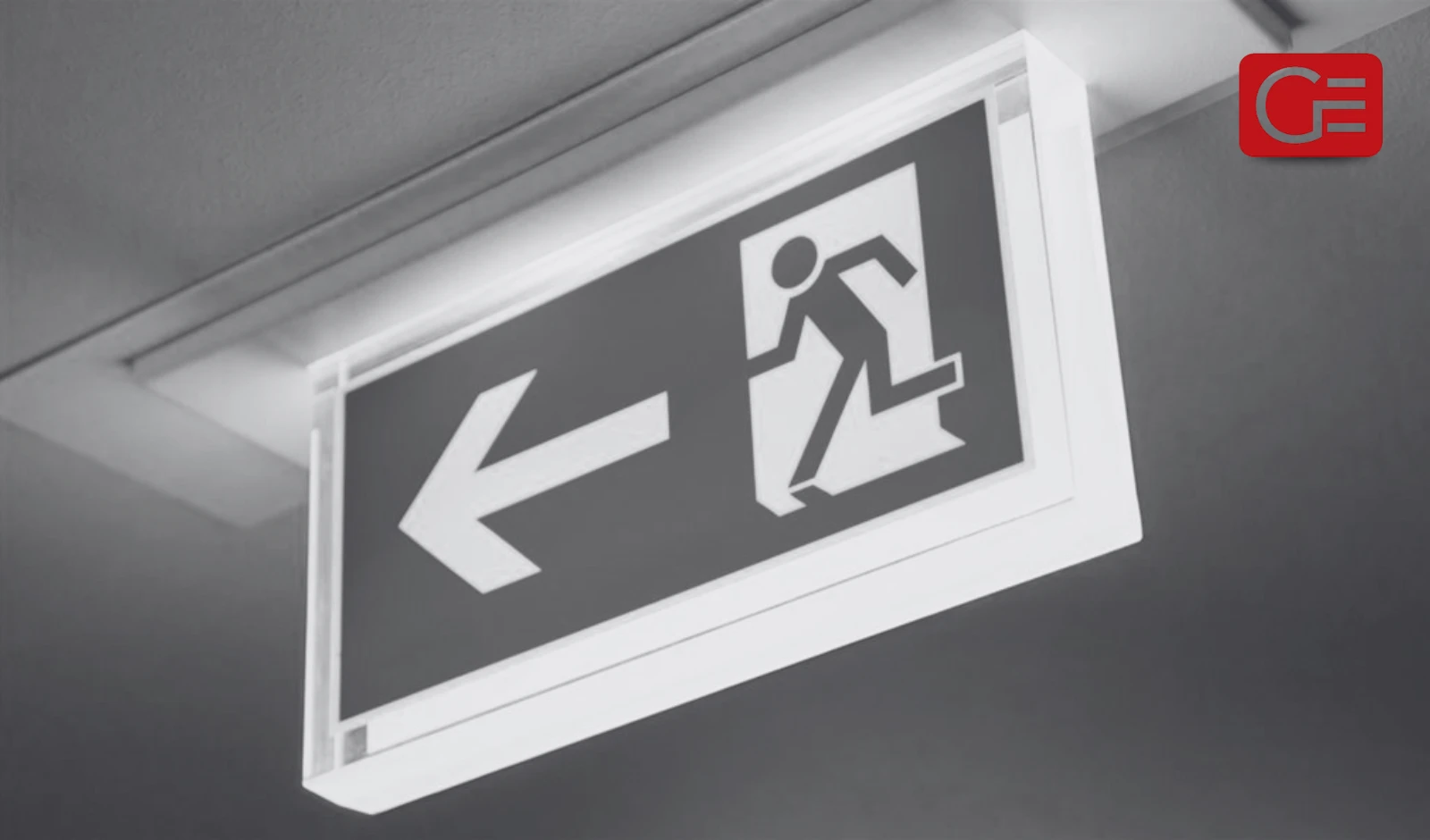
Many emergency lighting systems include emergency exit lighting, exit signs, and emergency luminaires. These lights help people find escape routes and reach an emergency exit safely.
Which Buildings Need Emergency Lighting?
Many commercial and industrial buildings need emergency lighting. The exact requirements depend on how the building is used and its layout.
A commercial building with staff or visitors may need compliant emergency lighting to help support safe evacuation during an emergency.
What Are the Emergency Lighting Requirements?
Emergency lighting should provide enough light for people to leave the building safely. It should clearly light escape routes, emergency exits, and other important areas.
The emergency lighting design should also meet the New Zealand Building Code and any other building requirements that apply to the project.

What Happens During Emergency Lighting Testing?
Emergency lighting testing checks that the lights work when the power goes out. It also confirms that exit signs stay lit and are easy to see.
The inspection may include functional tests, checking backup batteries, and making sure the lights operate as expected.
Why Is Regular Testing Important?
Regular testing helps find problems before an emergency happens. Faulty batteries, damaged lights, or wiring issues can often be repaired before they affect the system.
Testing also helps keep emergency lighting systems ready to use when they are needed most. This can improve safety and reduce maintenance costs over time.
Who Is Responsible for Emergency Lighting?
The building owner is usually responsible for keeping emergency lighting in good condition. Regular inspections and testing help make sure the system continues to work properly.
If a new lighting installation is part of a project that requires a building consent, additional documents may also be needed before the work is completed.
Why Work with Qualified Electricians?
Installing and testing emergency lighting should be done by experienced professionals. Industrial electricians understand the requirements for commercial and industrial buildings and can help keep your system safe and reliable.
Professional inspections can also help identify problems early and recommend repairs before they become more serious.
Final Thoughts
Emergency lighting helps protect people during a power failure or other emergency. Regular testing and maintenance help make sure the system works when it is needed most.
If you own or manage a commercial building, keeping your emergency lighting in good condition is an important part of building safety. Regular inspections can also help you stay compliant with current requirements.
Keep Your Emergency Lighting Ready
Emergency lighting plays an important role in protecting your building and the people inside it. Whether you need a new system, routine testing, or ongoing maintenance, professional support can help keep your lighting working properly.
Call Grammar Electrical on 09 884 6611 or book online and save $15.
Auckland’s Trusted Electricians
Fast, reliable electrical repairs, installations & upgrades - available 24/7.
Book Online & Save $15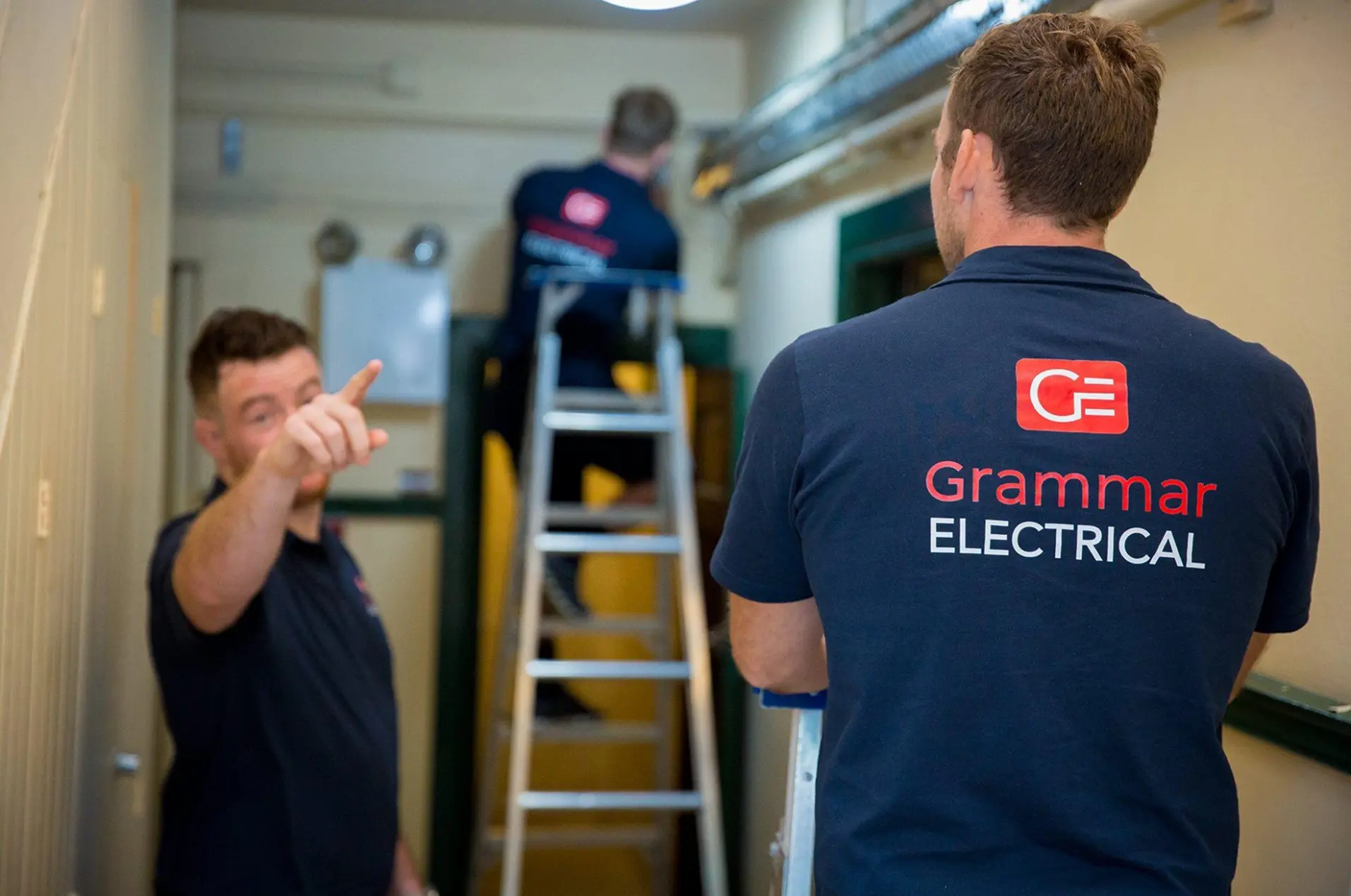


Got a question?
Contact us for a FREE installation quote or book your job online today.
Same Day Service Guarantee - Terms & Conditions

The "Same Day Service Guarantee or it's Free" applies to:
a. Residential work and Commercial only.
b. Jobs specified as needing same day service when booking a job by phone or online.
c. Residential and Commercial work booked with Grammar Electrical:
i) Before 11:00AM
ii) For calls or online bookings received after 11:00AM, the customer will be offered a job. Booking for the next business day and normal callout fees ($170+ GST) will apply.
iii) Any other jobs booked outside business hours (9:00AM - 5:00PM Monday- Friday) will incur after hours charges.
iv) This offer is excluded for jobs booked on New Zealand public holidays.
d. If Grammar Electrical are unable to attend on the same day (within 24 hours) for a job booked by the customer, the standard callout fee of $170 + GST will be waived and is free, but all other normal charges, fees and expenses will apply to perform the Electrical Services and to provide any products/materials concerning those services.
e. The Standard Callout Fee will be deducted from your bill as long as you pay within your invoice's due date. The callout charge is applicable if your invoice is overdue.
f. If Grammar Electrical are willing and able to perform the Service or provide the Goods on the same day the job is booked, however the Customer for whatever reason does not give access to their property on the day, Grammar Electrical will be deemed to have complied with it's "Same Day or it's Free" guarantee and shall be entitled to charge the customer the standard call-out fee.
g. This offer is not a guarantee of work being completed. The completion of the job will depend on stock availability and also the amount of work required.