





Electrical systems work every day to power homes, offices, shops, and industrial buildings. Like any other system, they need regular care to keep working safely and efficiently. Electrical preventive maintenance is about fixing small problems before they become expensive repairs. It also helps reduce downtime, improve safety, and protect the equipment your property depends on.
Many electrical problems start small. Loose connections, worn parts, and damaged wiring may not seem serious at first, but they can lead to equipment failure if left untreated. A planned maintenance program helps identify these issues early. This gives you the chance to fix them before they interrupt your daily operations.
What Is Electrical Preventive Maintenance?
Electrical preventive maintenance is planned work that keeps electrical equipment in good condition. Instead of waiting for something to stop working, the equipment is checked and serviced on a regular schedule. The goal is simple. Find problems early, complete repairs when needed, and help your electrical system continue working safely.
Maintenance work may include:
- Checking electrical panels
- Inspecting wiring
- Testing circuit breakers
- Tightening loose connections
- Cleaning electrical parts
- Replacing worn components
- Testing safety devices
Every property has different maintenance needs. The type of equipment, how often it is used, and the environment all affect how often maintenance should be completed.
Why Is Electrical Preventive Maintenance Important?
Electrical equipment slowly wears out over time. Heat, dust, moisture, vibration, and everyday use can all affect how well it performs. Without regular maintenance, small faults may go unnoticed until they cause larger problems. These problems can interrupt work, damage equipment, or create safety risks.
Preventive maintenance helps reduce these risks. It allows electricians to find worn parts before they fail and recommend repairs while the problem is still small. This approach helps businesses avoid unnecessary repairs and keeps electrical systems operating more reliably.
What Are the Advantages of Preventive Maintenance?
One of the biggest advantages of preventive maintenance is that it helps prevent problems before they happen. Instead of waiting for equipment to fail, repairs can be planned during normal working hours. Planning maintenance also makes it easier to organise repairs without causing unnecessary interruptions to your business.
Preventive maintenance can also help:
- Improve electrical safety
- Reduce equipment failures
- Extend equipment life
- Lower repair costs
- Improve system performance
- Reduce unexpected shutdowns
These benefits become even more valuable for businesses that depend on reliable electrical equipment every day.
What Are the Benefits of Preventive Maintenance?
The benefits of preventive maintenance go beyond protecting equipment. Regular servicing also helps businesses manage their maintenance costs more effectively. Small repairs usually cost less than replacing damaged equipment. Finding problems early also helps avoid expensive emergency repairs.
Regular servicing improves the overall condition of your electrical system. Equipment that receives proper care is often more reliable and performs better over time. Many businesses also notice better cost savings because equipment lasts longer and requires fewer major repairs.
How Does a Preventive Maintenance Program Work?
A preventive maintenance program is a planned approach to maintaining electrical equipment. It sets out what equipment should be inspected, when it should be checked, and what work needs to be completed.
Following a schedule makes it easier to keep maintenance up to date and reduces the chance of missing important inspections.
A preventive maintenance program may include:
- Regular inspections
- Equipment testing
- Cleaning electrical equipment
- Replacing worn parts
- Recording completed work
- Planning future maintenance
Every property is different. A qualified electrician can recommend a preventive maintenance program based on the age, condition, and use of your electrical equipment.
Why Is a Maintenance Schedule Important?
A maintenance schedule helps ensure inspections happen at the right time. Instead of relying on memory, maintenance is completed according to a planned timetable.
A clear schedule also helps businesses organise maintenance around their daily operations. This reduces disruption and helps keep equipment working as expected. Some maintenance schedules are based on time, while others depend on equipment use. The right approach depends on your property and the equipment being maintained.
What Happens During Regular Inspections?
Regular inspections allow electricians to check the condition of your electrical system. They look for signs of damage, wear, overheating, corrosion, and other problems that could affect safety.
If an issue is found, repairs can often be completed before the equipment fails. This reduces the chance of unexpected breakdowns and helps keep your electrical system operating safely. Some inspections may also include testing safety devices and checking that electrical equipment continues to perform as it should.
How Does Scheduled Maintenance Help?
Scheduled maintenance helps keep electrical equipment in good condition throughout the year. Instead of waiting for something to go wrong, maintenance is completed at planned times.
This approach helps find small problems early. It also makes it easier to plan repairs before they affect your business.
What Is the Difference Between Preventive and Reactive Maintenance?
Preventive maintenance happens before equipment fails. It focuses on regular checks and planned repairs to help avoid larger problems.
Reactive maintenance starts after something has already stopped working. While repairs are sometimes necessary, waiting for equipment to fail often leads to higher costs, longer downtime, and more emergency repairs.
Can Preventive Maintenance Reduce Downtime?
Yes. One of the biggest benefits of preventive maintenance is that it reduces downtime by finding problems early. Small repairs can usually be completed during planned visits. This helps avoid unexpected breakdowns that interrupt daily work and affect productivity.
Businesses that rely on electrical equipment often see fewer interruptions when maintenance is completed on a regular basis.
Is Preventive Maintenance Cost-Effective?
Yes. Preventive maintenance is usually more cost-effective than repairing equipment after it fails.
Replacing a worn part before it breaks is often much cheaper than replacing an entire unit. It also helps reduce labour costs, equipment damage, and lost working time. Over time, this approach can lead to significant cost savings while helping equipment last longer.
What Is a Computerized Maintenance Management System?
Some businesses use a computerized maintenance management system to organise their maintenance work. This software keeps maintenance information in one place and helps track completed jobs.
A maintenance management system (CMMS) can also remind teams when inspections are due. It helps businesses stay organised and makes it easier to manage larger maintenance programs.
Why Are Work Orders Important?
A work order explains what maintenance needs to be completed. It records the work performed, the equipment serviced, and any repairs that were recommended.
Keeping accurate work orders helps businesses plan future maintenance. It also provides a clear maintenance history for each piece of equipment.
Which Equipment Needs Regular Maintenance?
Almost every piece of equipment should be inspected from time to time. The amount of maintenance depends on the equipment, how often it is used, and the environment where it operates.
Electrical panels, switchboards, circuit breakers, safety switches, emergency lighting, motors, transformers, and control panels all benefit from regular maintenance. Keeping this equipment in good condition helps improve safety and reduces the chance of unexpected failures.
When Should You Call an Electrician?
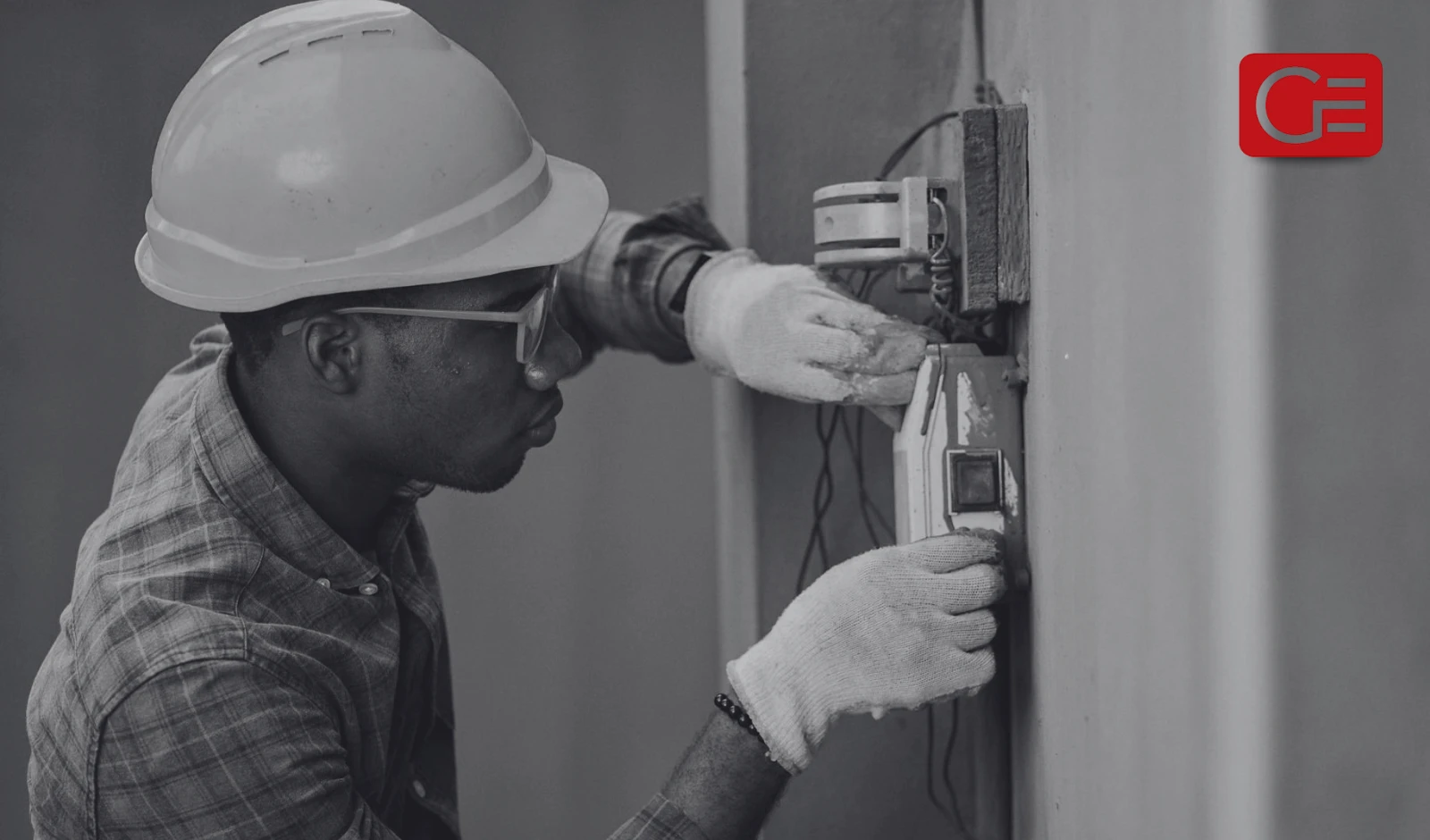
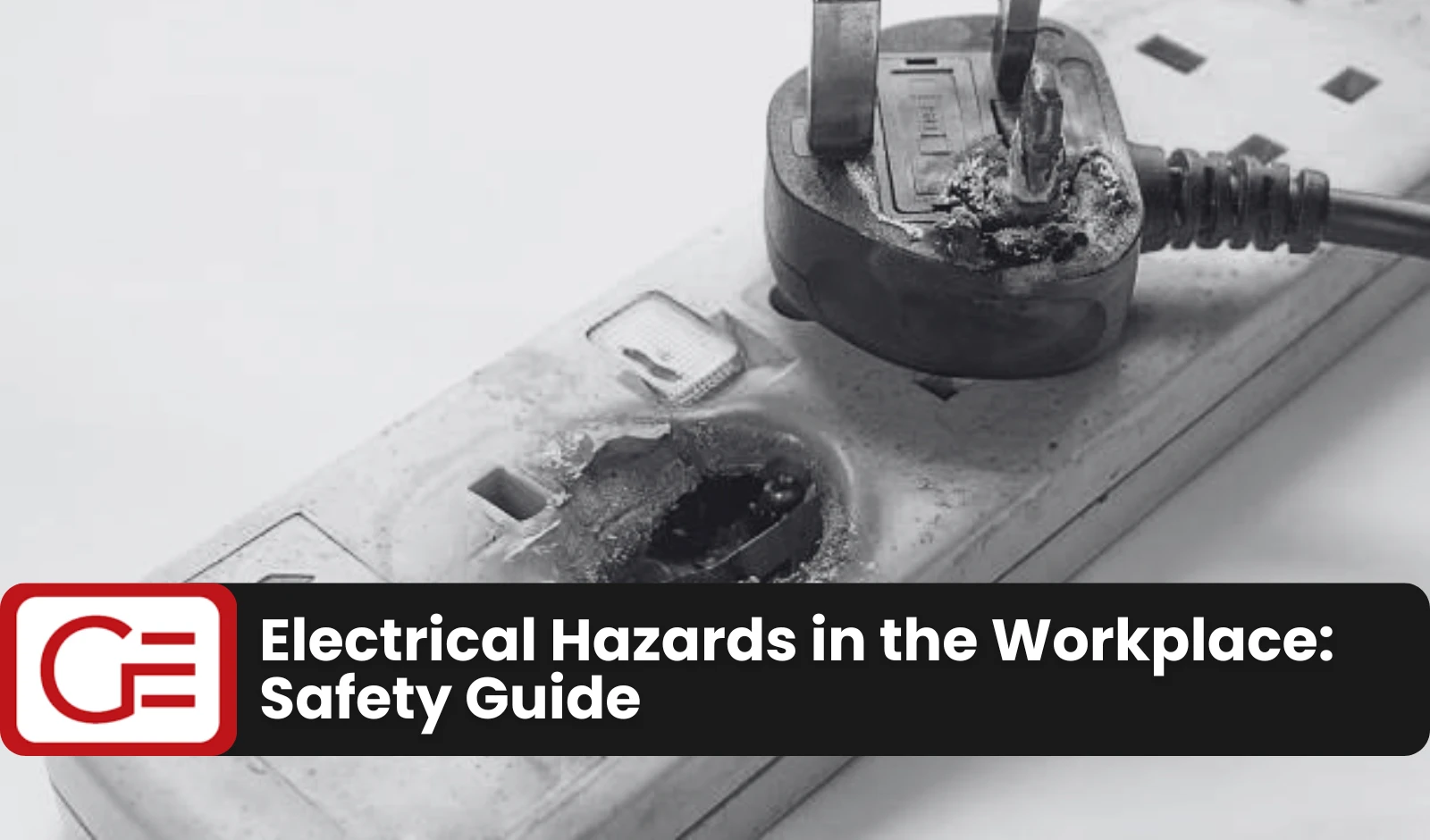
Some electrical problems should never be ignored. Flickering lights, burning smells, damaged wiring, overheating equipment, or frequently tripping circuit breakers are all signs that something may be wrong.
A licensed electrician can inspect your electrical system and recommend the right repairs. If there is an urgent electrical fault, an emergency electrician can respond quickly and help restore power safely.
How Can You Get the Best Results from a Maintenance Plan?
A preventive maintenance plan works best when inspections are completed on time. Delaying maintenance often allows small problems to become larger and more expensive.
It is also important to review your maintenance plan from time to time. As your electrical system ages or your business grows, your maintenance needs may change. Working with a qualified electrician helps ensure your maintenance strategy continues to meet the needs of your property.
Final Thoughts
Electrical preventive maintenance is one of the best ways to protect your electrical system and the equipment connected to it. Regular inspections, planned servicing, and timely repairs help reduce the risk of unexpected breakdowns while improving safety and performance.
Whether you manage a commercial building, warehouse, office, or industrial site, a preventive maintenance program can help reduce costs and keep your business running smoothly. Taking care of small issues today can help prevent larger problems tomorrow.
Keep Your Electrical System Working at Its Best
Regular electrical maintenance helps protect your equipment, reduce downtime, and improve electrical safety. A planned maintenance program gives you greater peace of mind and helps keep your business operating without unnecessary interruptions.
Call Grammar Electrical on 09 884 6611 or book online and save $15.
Auckland’s Trusted Electricians
Fast, reliable electrical repairs, installations & upgrades - available 24/7.
Book Online & Save $15



Got a question?
Contact us for a FREE installation quote or book your job online today.
Same Day Service Guarantee - Terms & Conditions

The "Same Day Service Guarantee or it's Free" applies to:
a. Residential work and Commercial only.
b. Jobs specified as needing same day service when booking a job by phone or online.
c. Residential and Commercial work booked with Grammar Electrical:
i) Before 11:00AM
ii) For calls or online bookings received after 11:00AM, the customer will be offered a job. Booking for the next business day and normal callout fees ($170+ GST) will apply.
iii) Any other jobs booked outside business hours (9:00AM - 5:00PM Monday- Friday) will incur after hours charges.
iv) This offer is excluded for jobs booked on New Zealand public holidays.
d. If Grammar Electrical are unable to attend on the same day (within 24 hours) for a job booked by the customer, the standard callout fee of $170 + GST will be waived and is free, but all other normal charges, fees and expenses will apply to perform the Electrical Services and to provide any products/materials concerning those services.
e. The Standard Callout Fee will be deducted from your bill as long as you pay within your invoice's due date. The callout charge is applicable if your invoice is overdue.
f. If Grammar Electrical are willing and able to perform the Service or provide the Goods on the same day the job is booked, however the Customer for whatever reason does not give access to their property on the day, Grammar Electrical will be deemed to have complied with it's "Same Day or it's Free" guarantee and shall be entitled to charge the customer the standard call-out fee.
g. This offer is not a guarantee of work being completed. The completion of the job will depend on stock availability and also the amount of work required.