




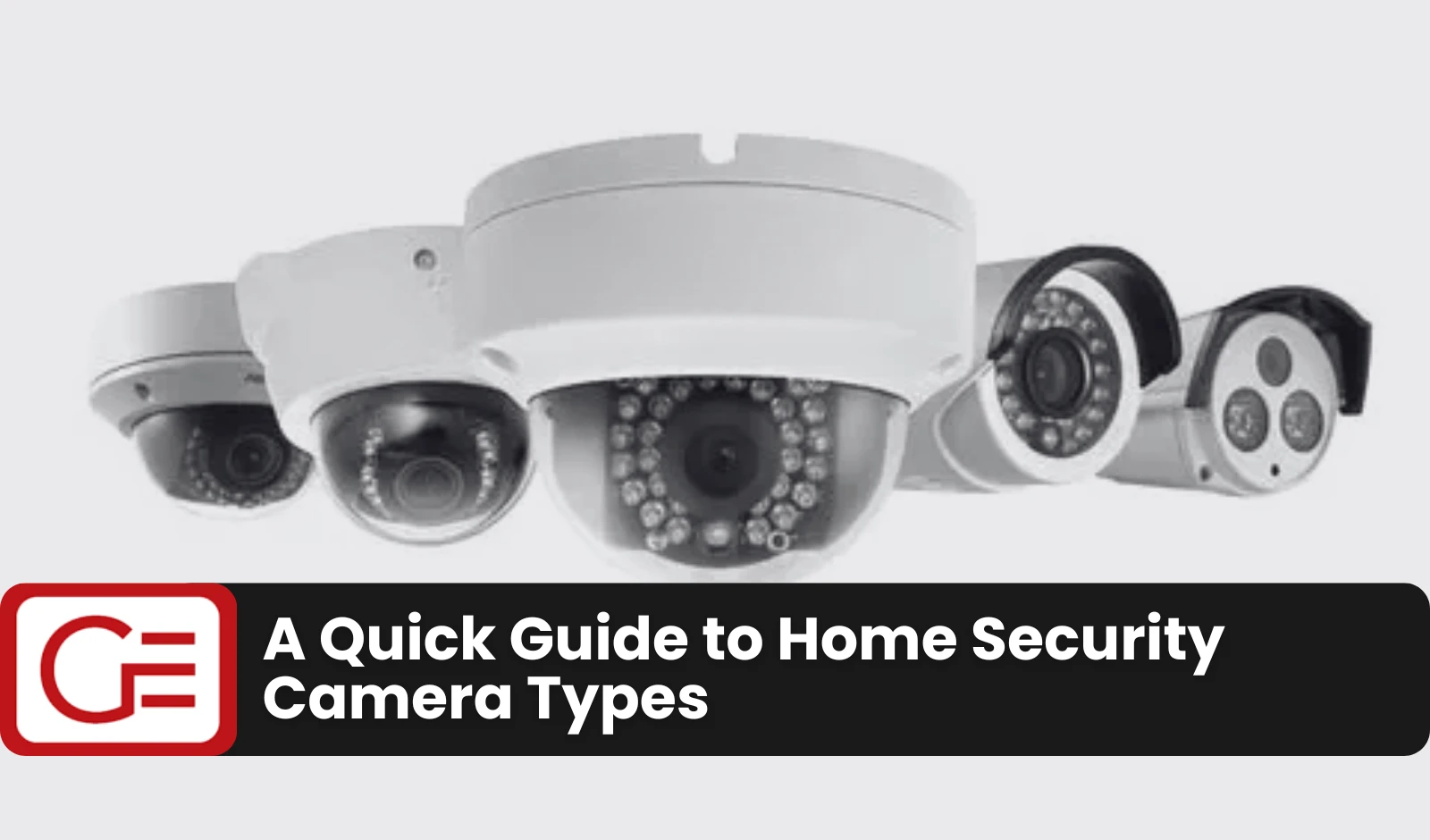
Choosing the right camera for your home can feel overwhelming with so many options available. Understanding the different types of home security cameras helps you make a better decision based on your needs and property layout.
Each system is designed with specific features in mind. Some focus on indoor use, while others are built for outdoor durability. Modern systems also include smart features like remote viewing and alerts, making home security easier to manage.
What Are Home Security Cameras?
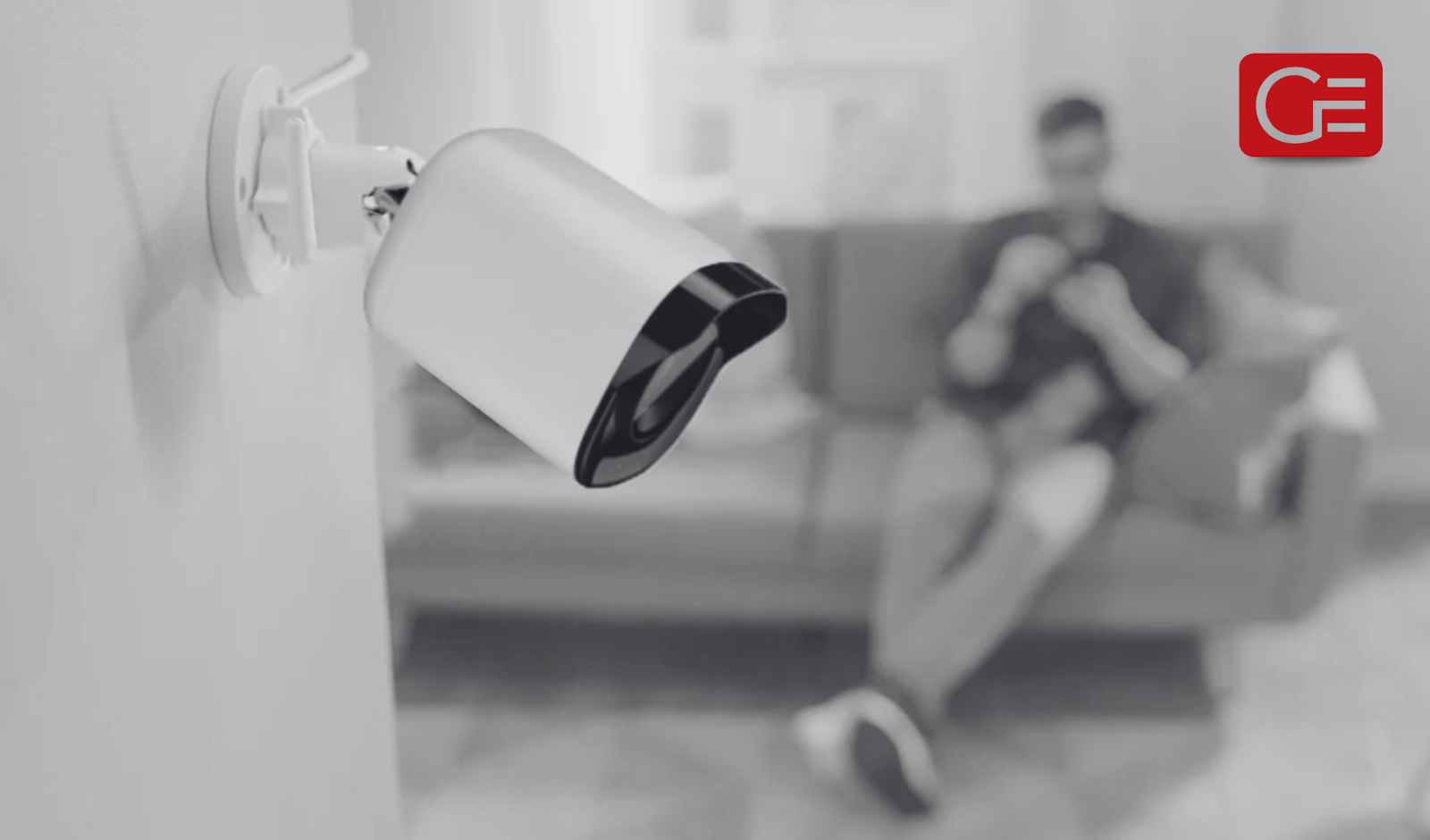
Home security cameras are surveillance devices designed to monitor and record activity in and around your property. They capture video footage and either store it for later review or allow you to view it live through connected devices such as smartphones, tablets, or computers.
Modern systems are built for convenience and flexibility. Depending on the setup, they can:
- Record continuously or only when motion is detected
- Store footage using a Network Video Recorder (NVR), Digital Video Recorder (DVR), or cloud storage
- Provide real-time remote viewing through mobile apps using Wi-Fi or an internet connection
As part of a broader home security system, these cameras help deter unwanted activity, improve visibility, and give homeowners greater peace of mind.
Indoor Camera
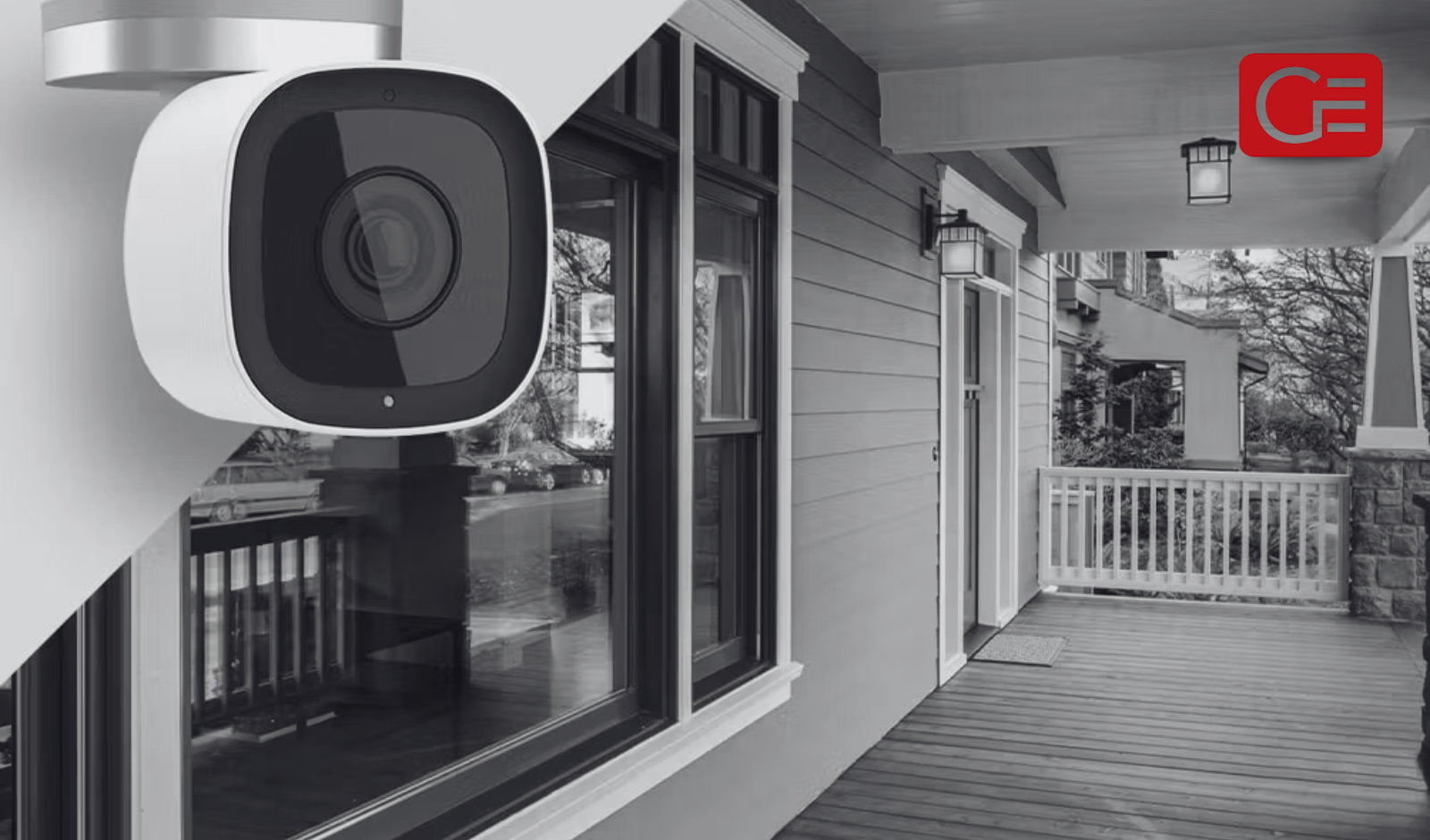
Indoor cameras are designed specifically for monitoring activity inside your home. They are typically compact, lightweight, and easy to install, making them ideal for everyday use.
They are commonly used for:
- Monitoring entry points such as doors and hallways
- Keeping an eye on pets or children
- Checking in on your home while you’re away
While indoor cameras offer clear video and simple setup, they are not built to withstand outdoor conditions like rain or extreme temperatures.
Outdoor Camera
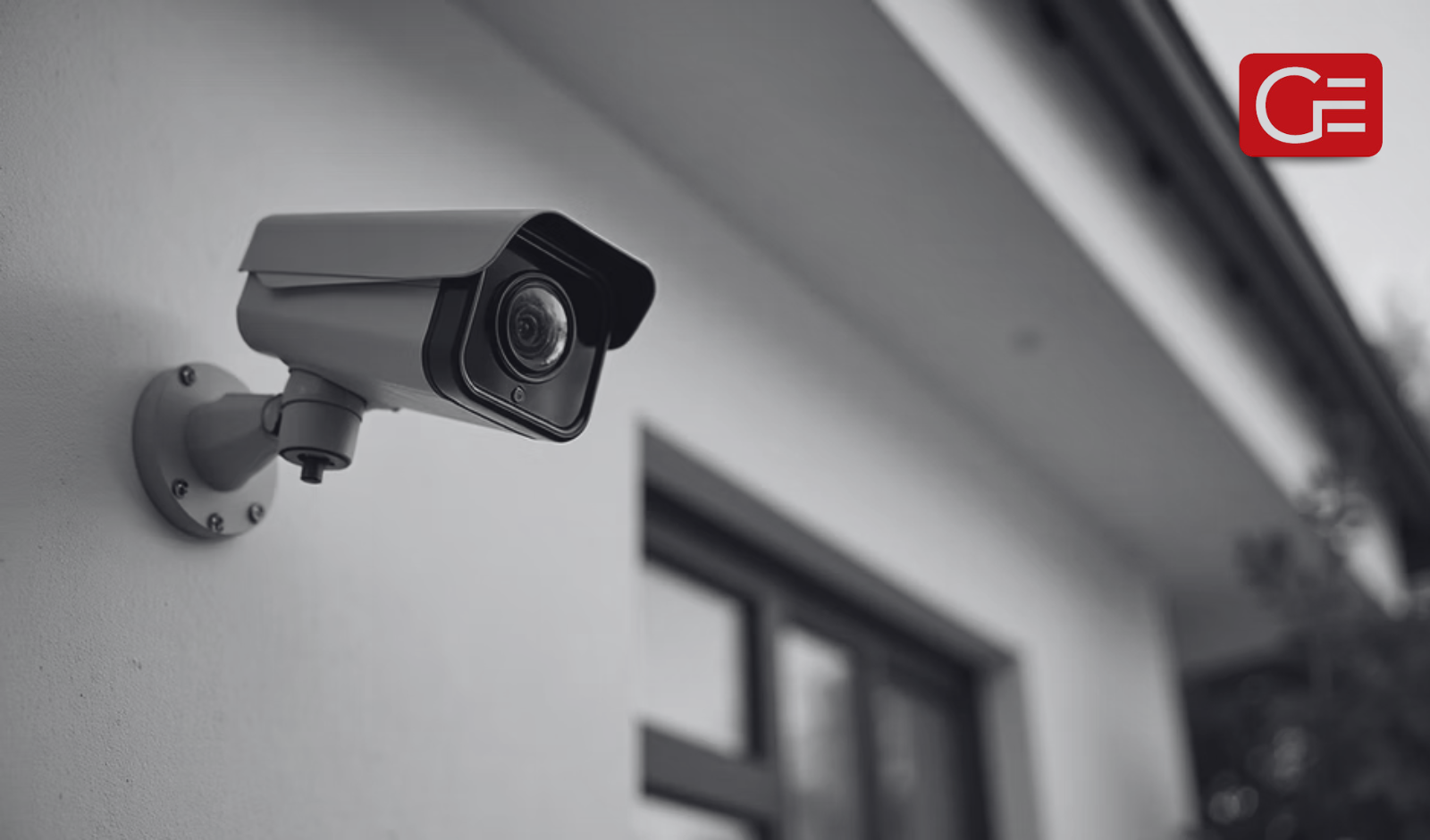
Outdoor cameras are built to handle changing weather conditions and provide reliable performance year-round. They are made from durable, weather-resistant materials and are designed for long-term external use.
They are often installed in:
- Driveways
- Front doors and entrances
- Backyards and perimeter areas
Outdoor cameras help protect key access points and provide strong, visible deterrence against potential intruders.
Dome Cameras
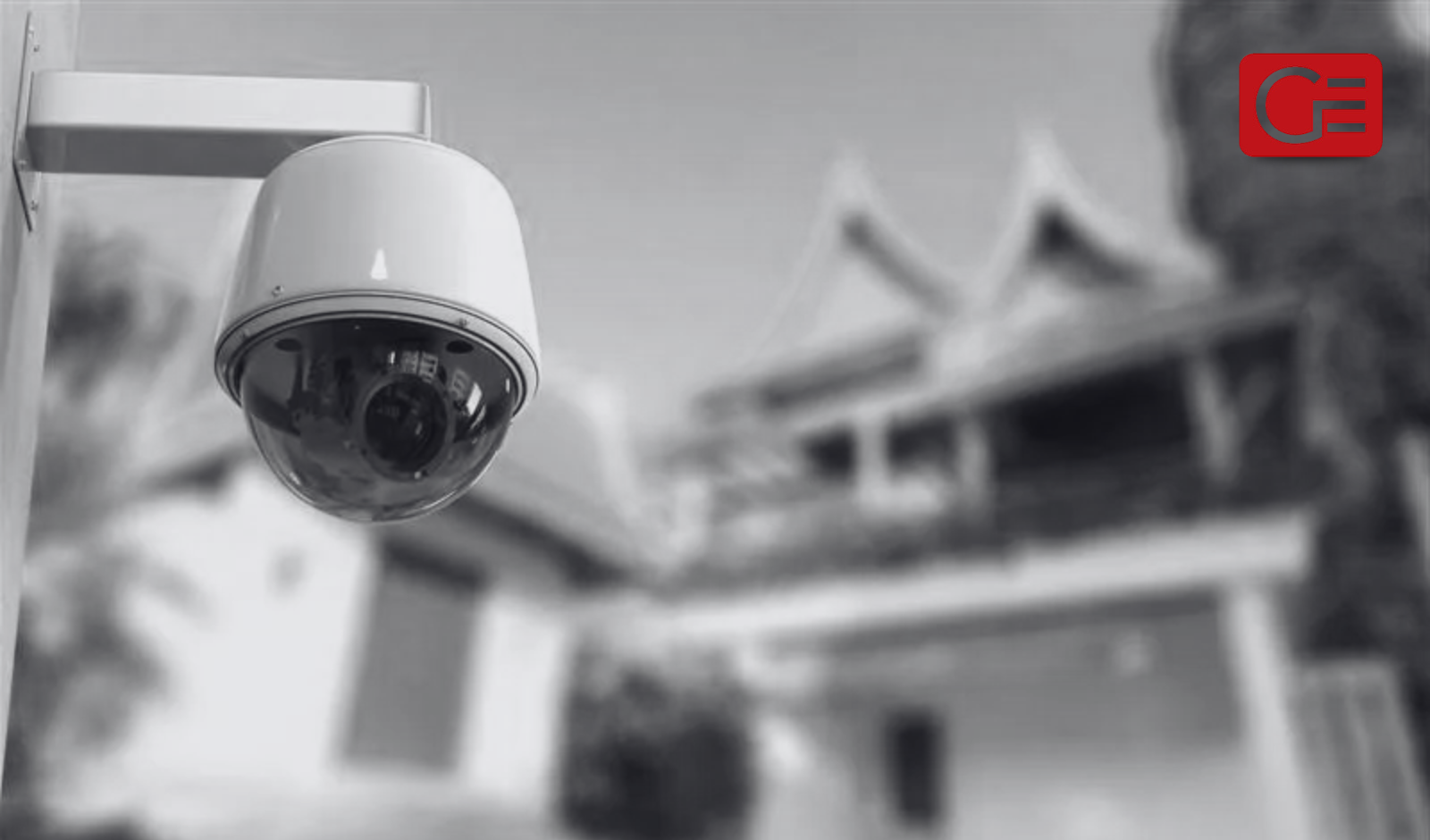
Dome cameras are a popular choice due to their compact, rounded design. They are usually mounted on ceilings or under eaves and blend easily into their surroundings.
Key benefits include:
- Wide coverage area
- Discreet appearance
- Resistance to tampering, as it’s difficult to see which direction the camera is facing
Dome cameras are suitable for both indoor and outdoor use, making them a versatile option for many properties.
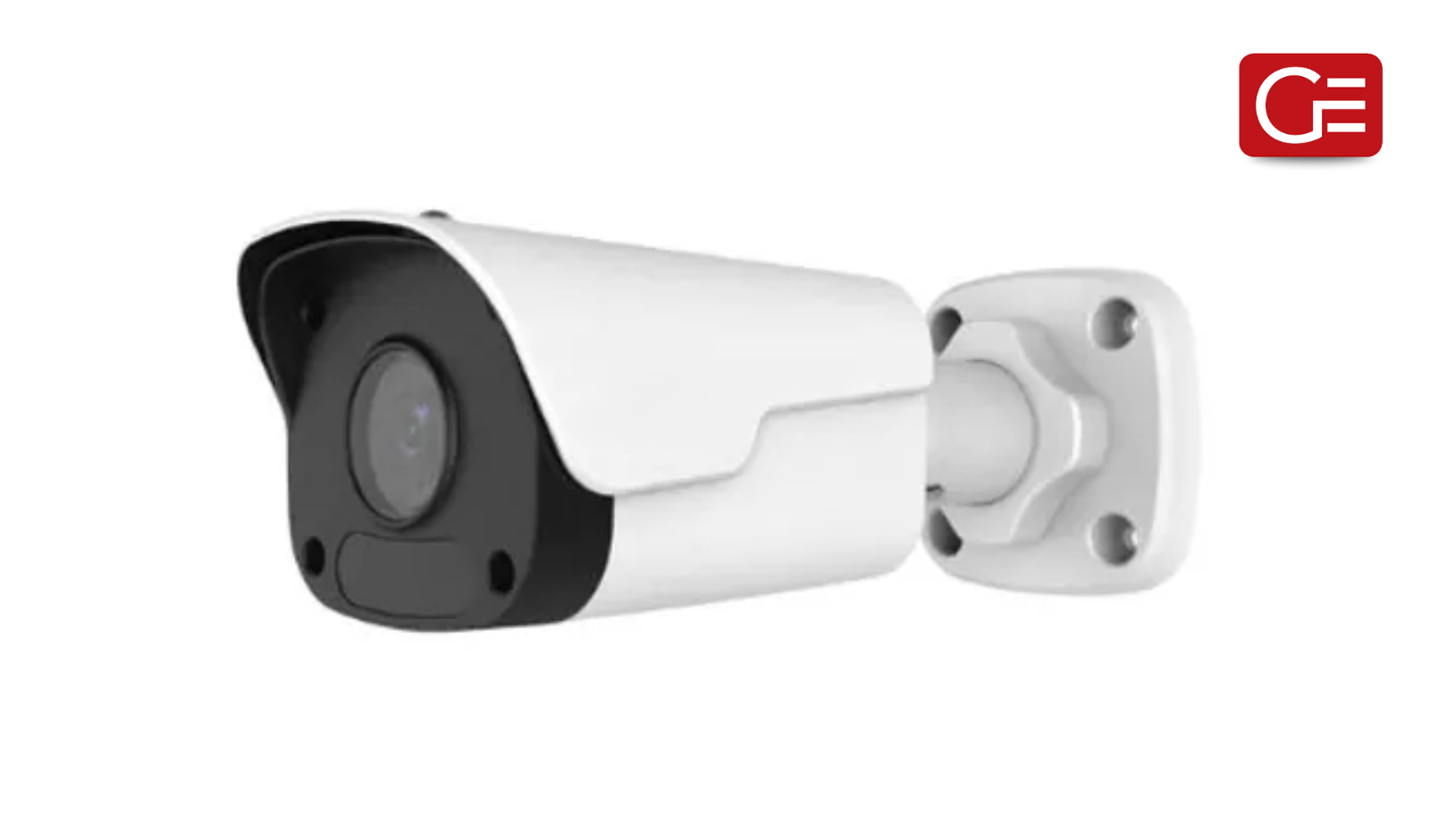
Bullet Cameras
Bullet cameras are long and cylindrical, making them easy to point in a specific direction. They are commonly used outdoors where focused monitoring is required.
They are best suited for:
- Entry points such as doors and gates
- Walkways and pathways
- Parking areas or driveways
Their visible design can also act as a deterrent, while their fixed angle ensures clear and direct monitoring of targeted areas.
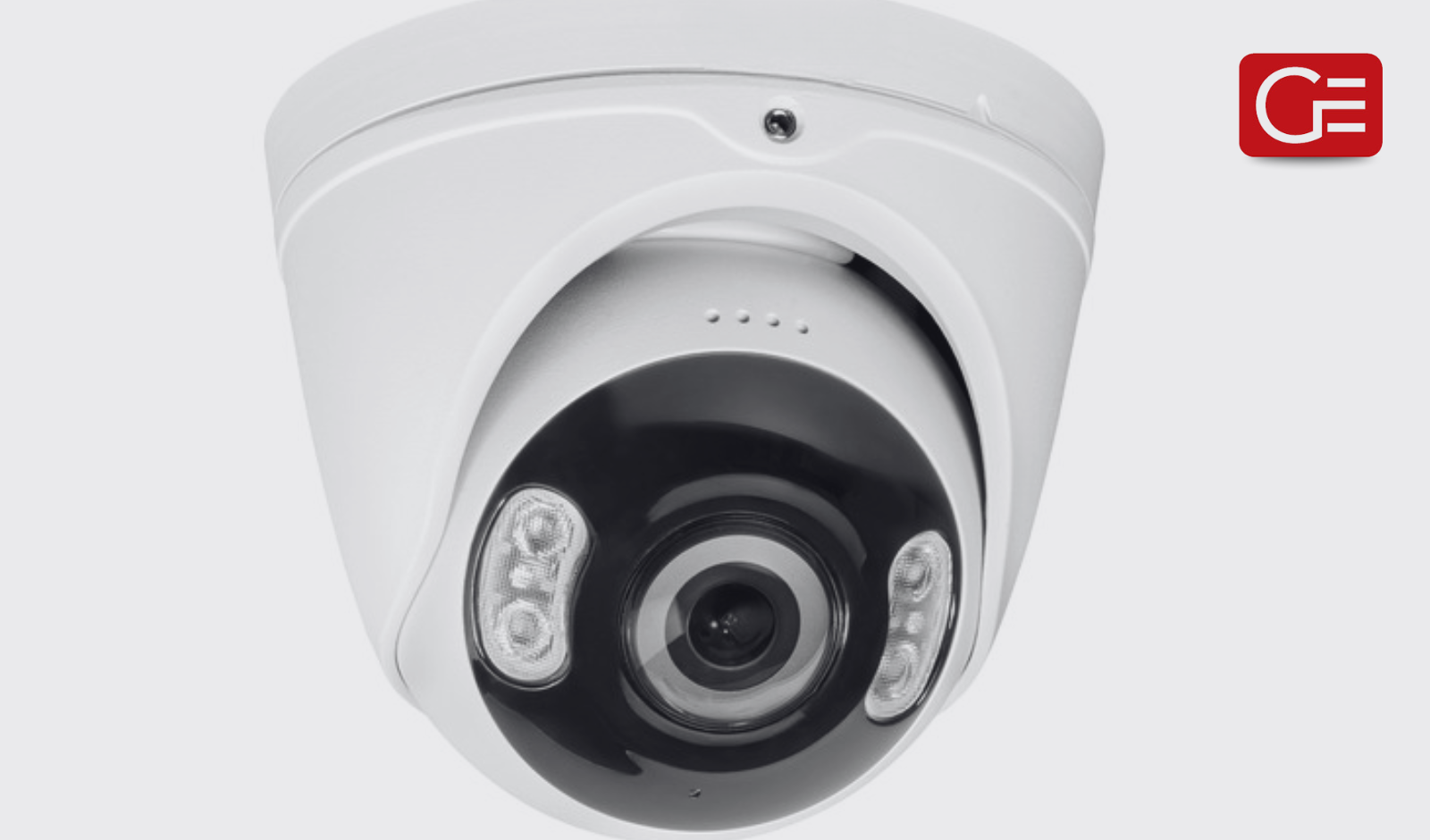
Turret Cameras
Turret cameras, sometimes referred to as “eyeball cameras,” offer a balance between flexibility and performance. Unlike dome cameras, they do not have a glass cover, which helps reduce glare and reflection, especially at night.
They are known for:
- High image clarity
- Easy angle adjustment during installation
- Better night-time performance with less infrared reflection
Turret cameras work well in both indoor and outdoor environments and are a popular choice for modern home systems.
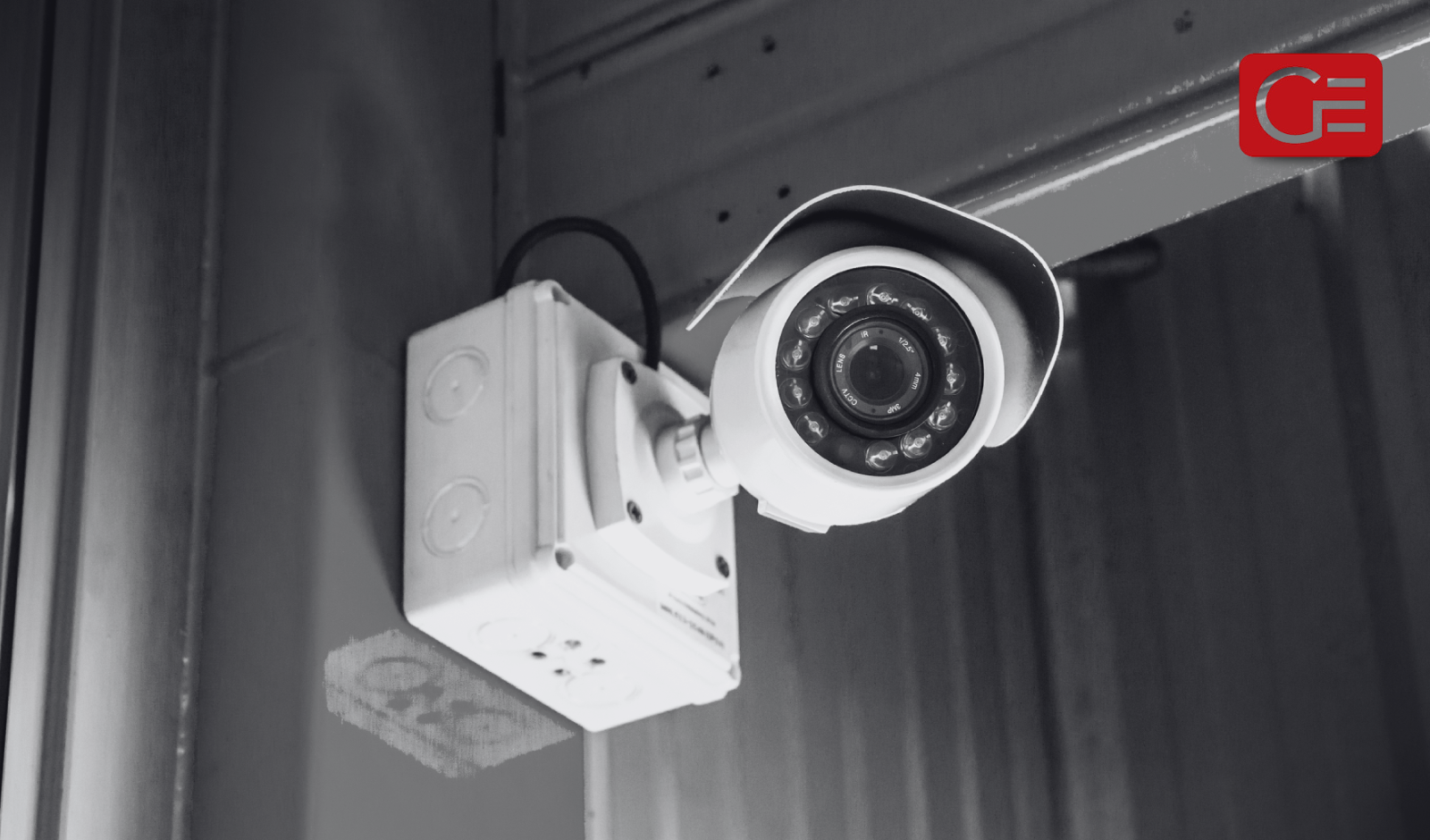
IP Cameras
IP (Internet Protocol) cameras are advanced digital cameras that transmit video over a network rather than traditional analogue cables. They are widely used in modern and smart home setups.
Key features include:
- High-definition video quality
- Remote access through mobile apps or web platforms
- Flexible installation using Wi-Fi or wired internet connections
IP cameras offer greater control, scalability, and integration with other smart devices, making them a preferred choice for homeowners looking for a more connected and future-ready security system.
CCTV Camera Types
There are several types of CCTV cameras available, ranging from traditional analogue systems to modern digital solutions. Older CCTV systems typically use coaxial cables to transmit video signals to a recorder, making them reliable but less flexible when it comes to remote access and advanced features.
Newer systems use digital technology, often connected through a network and paired with a Network Video Recorder (NVR) for storage. These systems offer higher image quality, remote viewing via mobile devices, and easier integration with smart home technology. Both traditional and modern CCTV camera types are widely used in homes and businesses, depending on the level of security, budget, and functionality required.
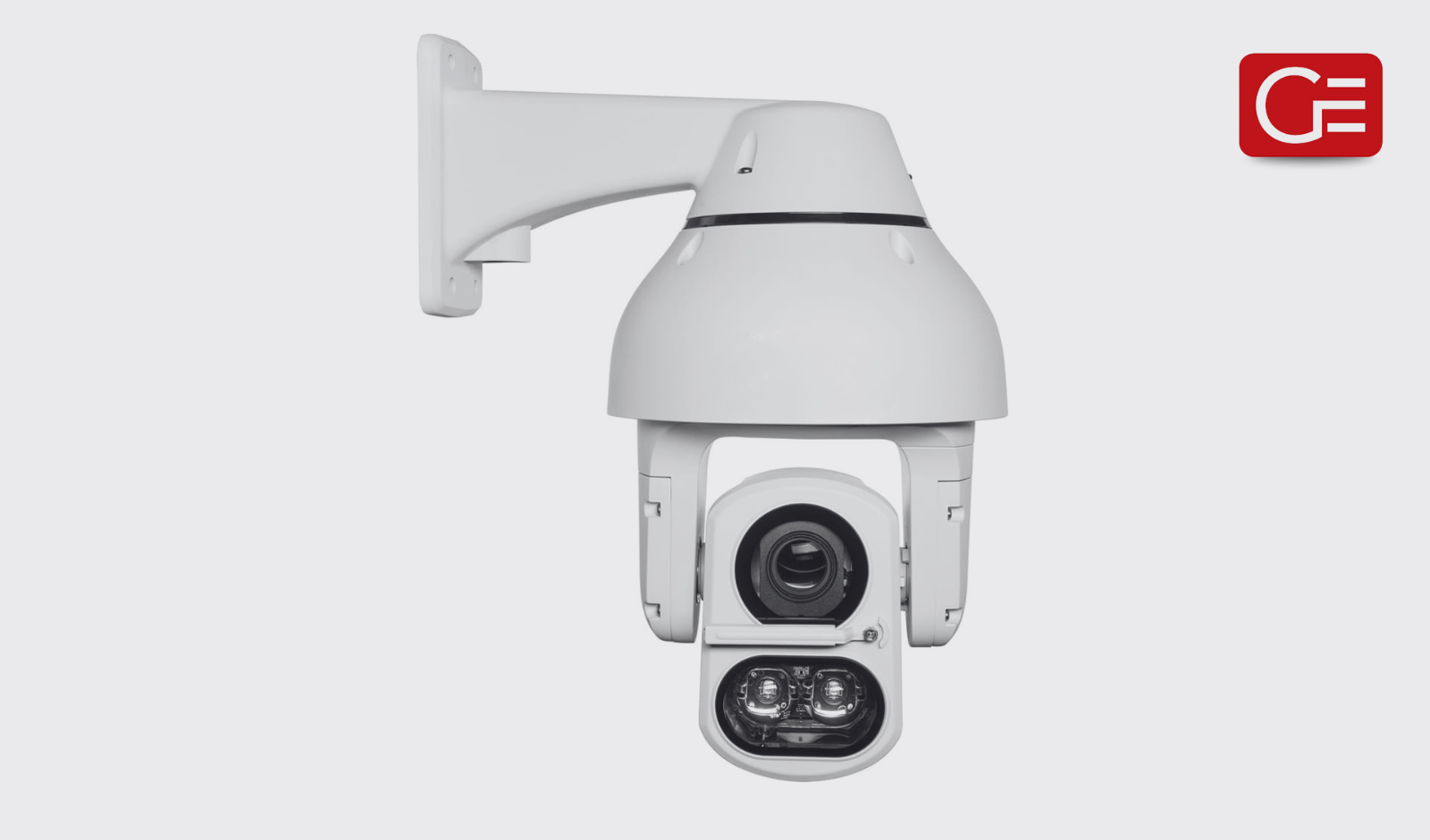
Pan Tilt Zoom Cameras
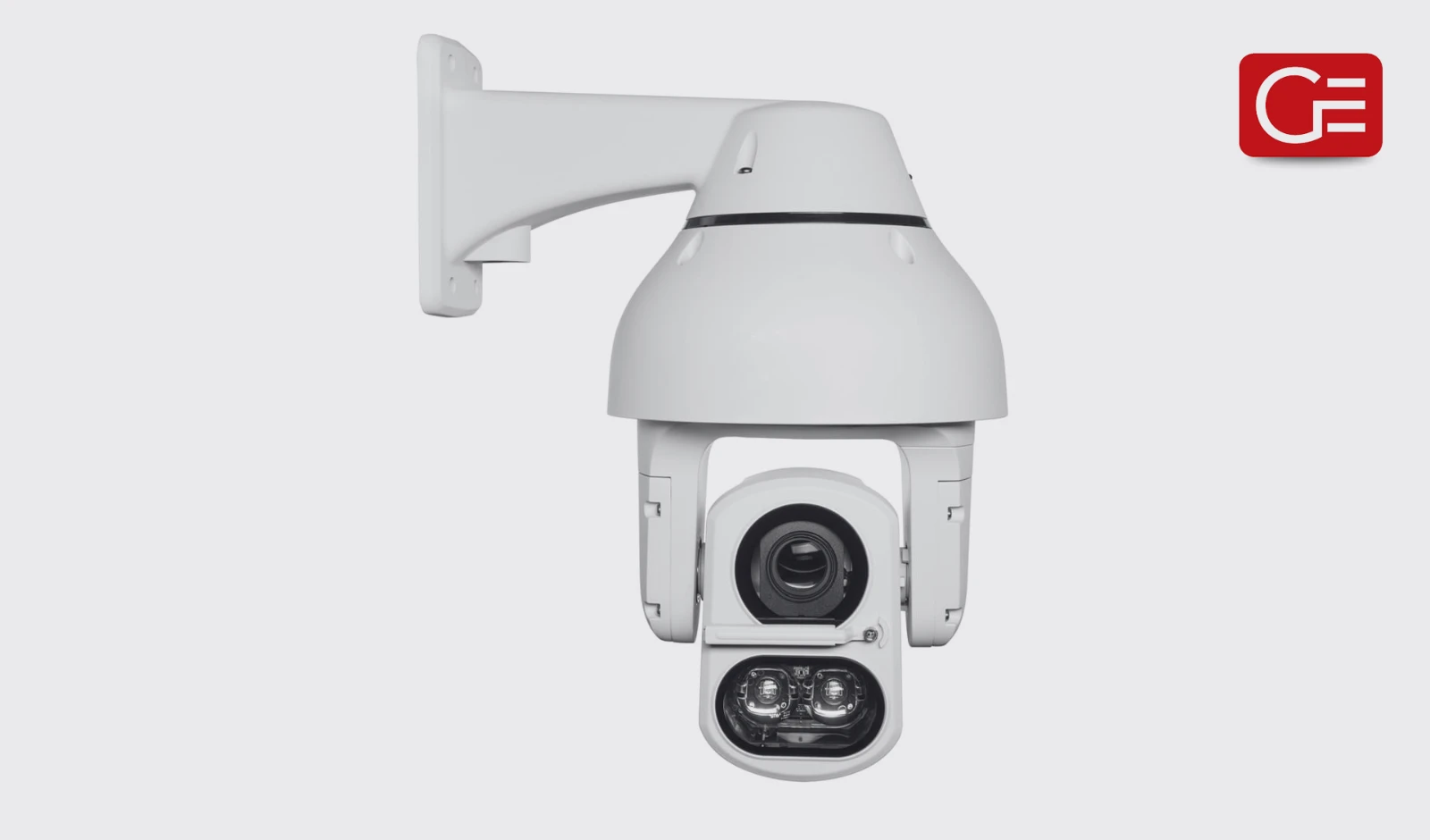
Pan-tilt-zoom cameras, commonly known as PTZ cameras, provide advanced control and flexibility. Unlike fixed cameras, PTZ models can be adjusted remotely, allowing users to actively monitor different areas without physically repositioning the device.
With PTZ cameras, you can:
- Move the camera left and right (pan)
- Tilt it up and down
- Zoom in to focus on specific details
These cameras are ideal for monitoring large spaces such as driveways, warehouses, or open-plan areas. Their ability to track movement and adjust views in real time makes them a powerful option for more dynamic surveillance needs.
Night Vision Cameras
Night vision cameras are designed to capture clear footage in low-light or completely dark environments. They typically use infrared (IR) technology or low-light sensors to maintain visibility when standard cameras would struggle.
They are especially useful for:
- Outdoor monitoring after sunset
- Entry points such as doors and garages
- Areas with limited or inconsistent lighting
This capability ensures your security system remains effective 24/7, providing continuous protection regardless of lighting conditions.
Smart Features and Video Analytics
Modern home security cameras often include smart features powered by video analytics. These tools go beyond basic recording by actively analysing what the camera sees.
Common smart features include:
- Motion detection with real-time alerts
- Mobile notifications and remote access
- Person, vehicle, or object recognition
- Activity zones to reduce false alarms
These features make your system more responsive and efficient, allowing you to focus on important events rather than constantly reviewing footage.
Wired vs Wireless Systems
Security cameras can be installed as either wired or wireless systems, each offering its own advantages depending on your setup and preferences.
Wired systems:
- Use physical cables such as coaxial or Ethernet
- Provide stable and consistent connections
- Are less prone to interference
- Typically require more time and effort to install
Wireless systems:
- Connect via Wi-Fi or internet networks
- Are quicker and easier to install
- Offer flexible placement and scalability
- May depend on signal strength and network reliability
Choosing between wired and wireless systems depends on your property layout, budget, and how much flexibility you need. In some cases, a hybrid approach can offer the best balance of performance and convenience.
Choosing the Right Camera for Your Home
Selecting the right security camera system depends on your home’s layout, your security priorities, and how you plan to monitor your property. A well-planned setup not only improves coverage but also ensures your system performs reliably in different conditions.
When choosing a camera, consider the following:
- Indoor vs outdoor use – Outdoor cameras need to be weather-resistant and durable, while indoor cameras are designed for discreet monitoring and ease of placement.
- Coverage area – Larger spaces may require wide-angle lenses or multiple cameras to avoid blind spots. Entry points like doors, driveways, and hallways should be prioritised.
- Lighting conditions – Areas with low light or nighttime activity benefit from cameras with strong night vision or low-light capabilities.
- Required features – Consider whether you need motion alerts, mobile access, two-way audio, or smart detection features for added convenience and control.
In many cases, combining different types of cameras, such as fixed, PTZ, and night vision models, can provide more complete coverage. A mixed setup helps reduce blind spots, improves visibility across your property, and creates a more effective overall security system tailored to your needs.
Why Professional Installation Matters
Installing security cameras involves more than simply mounting them on a wall. Proper placement, wiring, and configuration all play a key role in how effectively your system performs. Poorly positioned cameras can create blind spots, reduce image quality, or fail to capture important activity when it matters most.
Working with a registered electrician or experienced residential electrician ensures your system is installed safely and optimised for full coverage. They can also integrate your cameras with existing electrical systems and smart features. If any urgent issues arise, an emergency electrician can quickly diagnose and repair faults, helping maintain continuous protection for your home.
Final Thoughts
Understanding the different types of home security cameras allows you to build a system that suits your property and lifestyle. From indoor monitoring to outdoor surveillance, each camera serves a specific purpose in strengthening your overall security.
Modern camera systems offer flexible configurations, remote access, and smart detection features that make monitoring your home easier than ever. By choosing the right combination of cameras and placing them strategically, you can improve visibility, reduce risks, and create a safer environment for your household.
Reliable Security Camera Installation
A professionally installed security system helps maximise coverage, minimise blind spots, and ensure consistent, reliable performance. With expert setup, your cameras are positioned for optimal visibility and configured to work seamlessly from day one.
For safe and reliable installation, contact Grammar Electrical on 09 884 6611 or book online today and save $15 off your service.
Auckland’s Trusted Electricians
Fast, reliable electrical repairs, installations & upgrades - available 24/7.
Book Online & Save $15




Got a question?
Contact us for a FREE installation quote or book your job online today.
Same Day Service Guarantee - Terms & Conditions

The "Same Day Service Guarantee or it's Free" applies to:
a. Residential work and Commercial only.
b. Jobs specified as needing same day service when booking a job by phone or online.
c. Residential and Commercial work booked with Grammar Electrical:
i) Before 11:00AM
ii) For calls or online bookings received after 11:00AM, the customer will be offered a job. Booking for the next business day and normal callout fees ($170+ GST) will apply.
iii) Any other jobs booked outside business hours (9:00AM - 5:00PM Monday- Friday) will incur after hours charges.
iv) This offer is excluded for jobs booked on New Zealand public holidays.
d. If Grammar Electrical are unable to attend on the same day (within 24 hours) for a job booked by the customer, the standard callout fee of $170 + GST will be waived and is free, but all other normal charges, fees and expenses will apply to perform the Electrical Services and to provide any products/materials concerning those services.
e. The Standard Callout Fee will be deducted from your bill as long as you pay within your invoice's due date. The callout charge is applicable if your invoice is overdue.
f. If Grammar Electrical are willing and able to perform the Service or provide the Goods on the same day the job is booked, however the Customer for whatever reason does not give access to their property on the day, Grammar Electrical will be deemed to have complied with it's "Same Day or it's Free" guarantee and shall be entitled to charge the customer the standard call-out fee.
g. This offer is not a guarantee of work being completed. The completion of the job will depend on stock availability and also the amount of work required.