




Circuit breakers are one of the most important safety devices in any home. They help control electricity and protect wiring, appliances, and other electrical components from damage. Without properly working breakers, electrical systems would be far more dangerous.
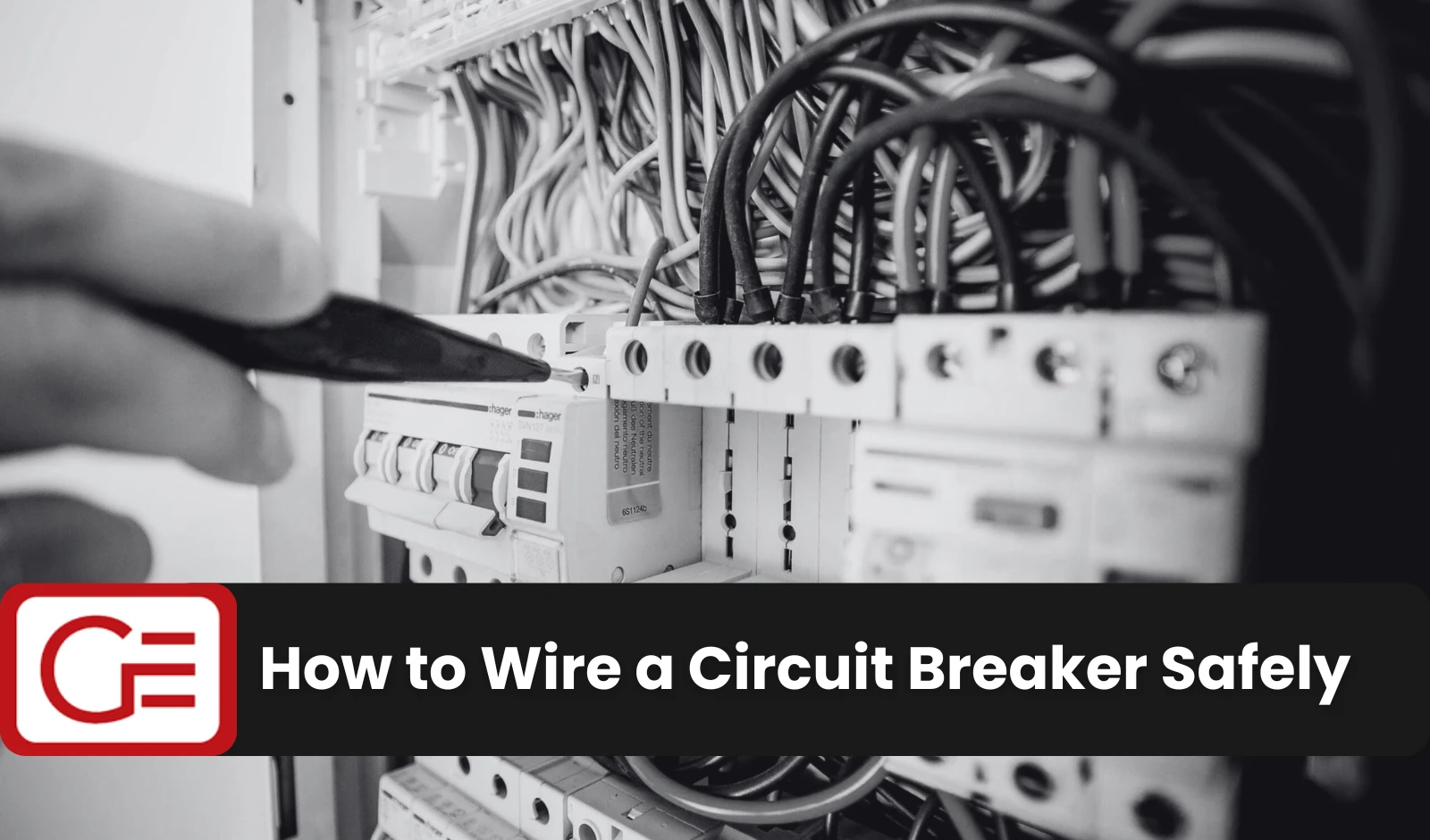
Many homeowners want to understand how a breaker is connected and how the system works. While learning the basics is useful, breaker wiring is not a simple DIY project. Electrical systems contain dangerous voltage, and mistakes can lead to injury, electrical faults, or fire hazards. Understanding how breakers work can help you recognise the importance of professional installation and proper maintenance.
What Is a Circuit Breaker?
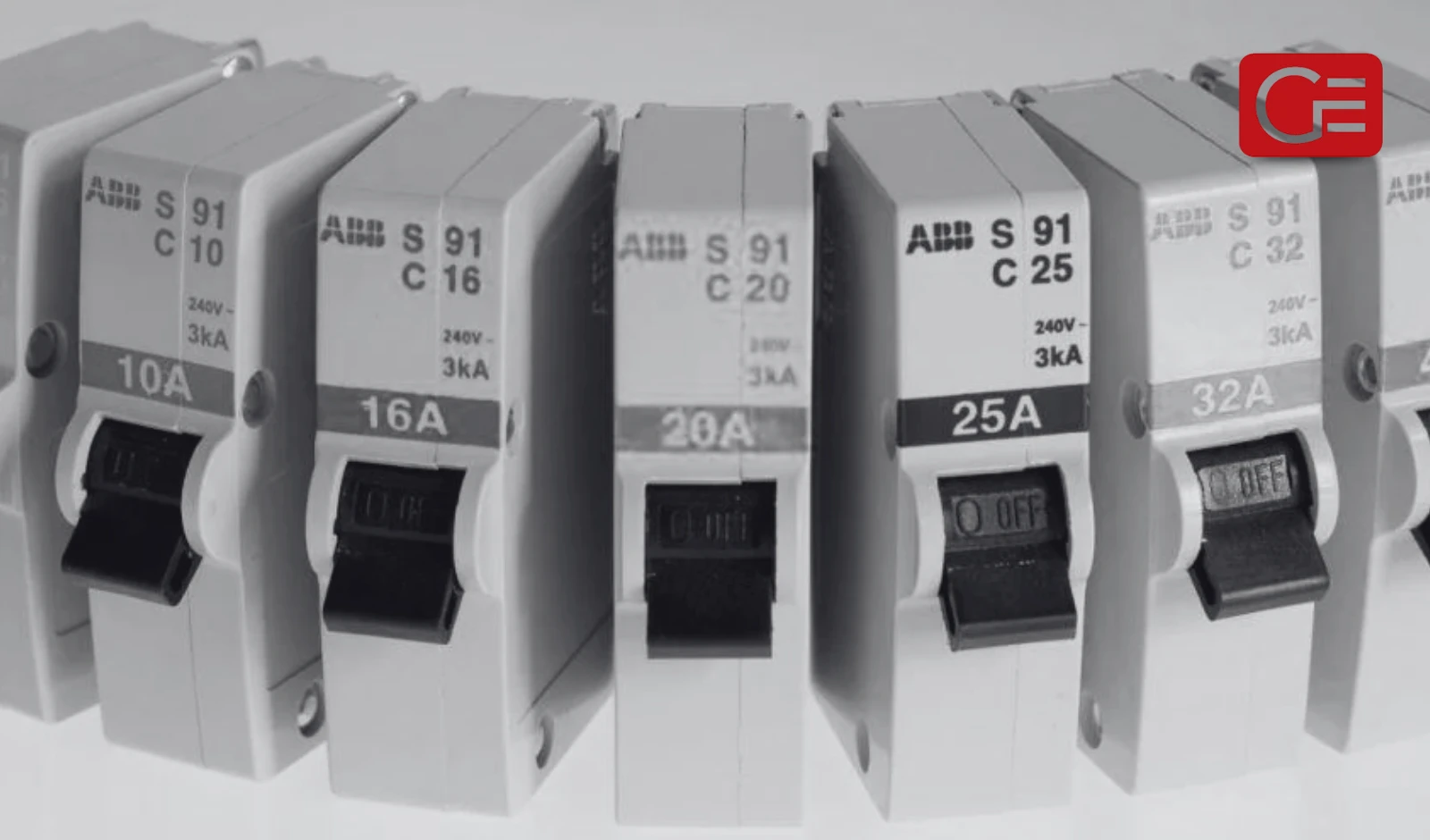
A circuit breaker is a safety device that controls the flow of electrical current in a home or building. It shuts off power automatically when the system detects unsafe conditions such as overloads or faults.
Breakers are installed inside electrical panels, where they help protect wiring and connected devices from damage.
How a Circuit Breaker Works
Electricity travels through circuits to power lights, outlets, and appliances. The breaker monitors this electrical flow and disconnects power if the current becomes unsafe.
This protection helps:
- Prevent overheating
- Reduce fire risks
- Protect appliances and wiring
Without properly working breakers, electrical systems would be much less safe.
Basic Parts of a Circuit Breaker Setup
Several wires and components work together inside the system.
Common parts include:
- A hot wire carrying an electrical current
- Neutral wire returns current safely
- Grounding wire for added protection
- Breakers installed inside the breaker box
Some grounding connections may use bare copper wiring depending on the setup.
Different Types of Circuit Breakers
The wiring setup depends on the type of circuit being used.
- Single-Pole Breakers - A single-pole breaker is commonly used for standard household circuits. These circuits usually power lights and outlets.
- Other Circuit Types - Larger appliances may require different breaker configurations with higher power capacity.
Each system must be matched correctly to the electrical demand.
Why Circuit Breaker Wiring Is Dangerous
Working inside electrical panels can be dangerous without proper training. Even when attempting to turn off the power, some parts of the panel may remain energised.
Incorrect installation can lead to:
- Electrical shock
- Fire hazards
- Damaged equipment
- Unsafe operation of the circuit-wired system
Because of these risks, DIY work is strongly discouraged.
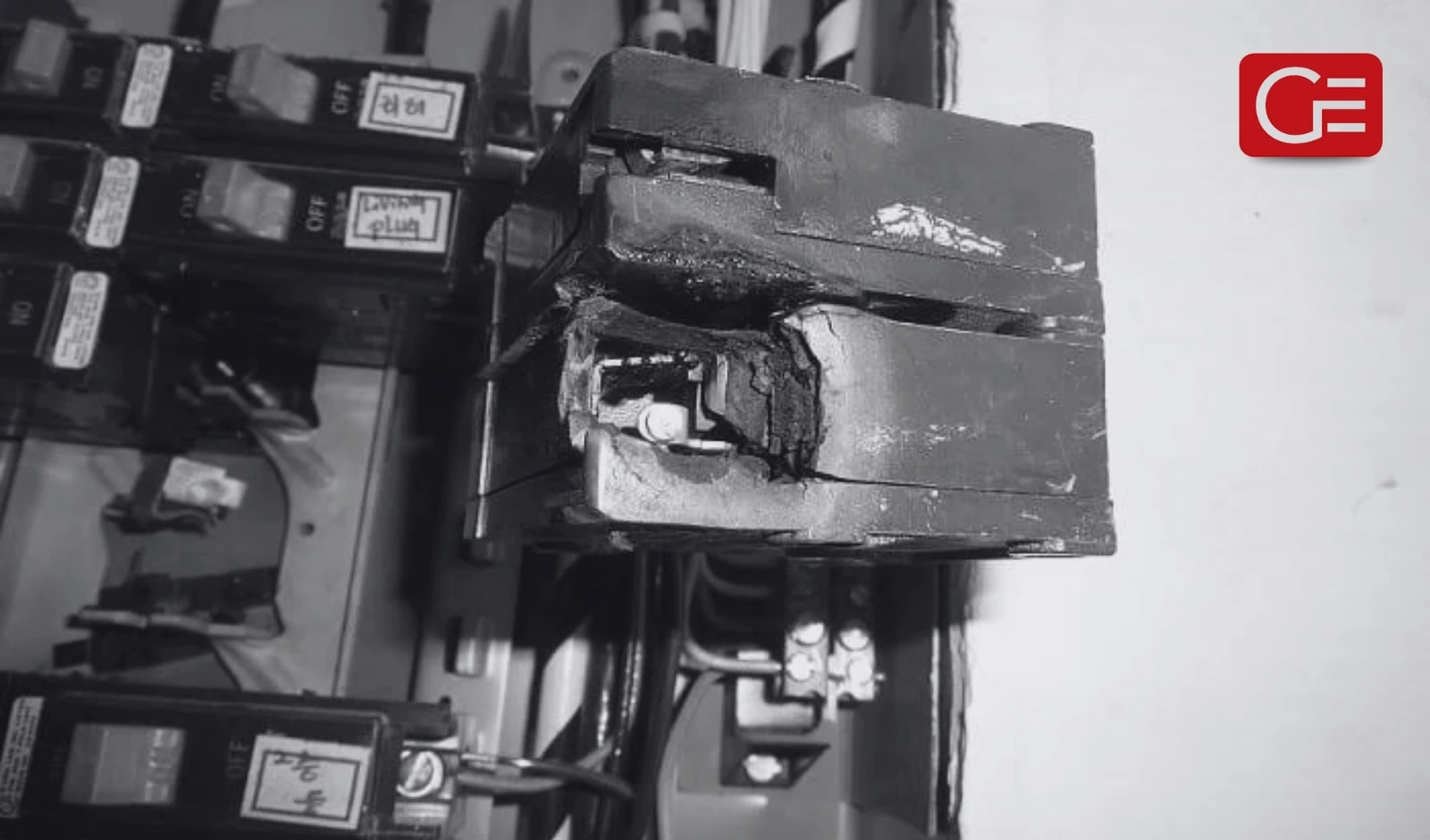
Common Signs of Breaker Problems
A breaker or wiring issue may show several warning signs.
Look for:
- Frequent breaker trips
- Burning smells near the panel
- Flickering lights
- Buzzing sounds
- Outlets losing power
These signs may indicate issues within your electrical circuits or breaker connections.
Why Professional Installation Matters
A professional should always complete breaker installation. Proper wiring requires knowledge of electrical safety, panel configuration, and load requirements.
A registered electrician or residential electrician can:
- Ensure safe breaker installation
- Inspect the panel for issues
- Confirm proper wire connections
- Help maintain system safety
For urgent electrical issues, an emergency electrician may be needed to restore safe operation.
Safety and Electrical Standards
Electrical work must follow strict safety requirements to reduce risks and ensure reliable performance.
Professional electrical services help:
- Ensure systems meet safety standards
- Prevent overloads and faults
- Maintain safe operation over time
This is especially important when upgrading or modifying a home electrical system.
Final Thoughts
Understanding how a breaker works can help homeowners recognise the importance of proper installation and maintenance. While it may seem simple, wiring a breaker involves working with high-risk electrical components.
For safety and long-term reliability, breaker installation and repairs should always be handled by qualified professionals.
Safe and Reliable Circuit Breaker Installation
A properly installed circuit breaker helps protect your home from overloads, power faults, and electrical damage. Professional installation ensures your panel, wiring, and connections are safe, reliable, and built to handle everyday electrical use.
Whether you need a new breaker, panel upgrades, or help with electrical issues, Grammar Electrical is ready to help. Call Grammar Electrical on 09 884 6611 or book online and save $15.
Auckland’s Trusted Electricians
Fast, reliable electrical repairs, installations & upgrades - available 24/7.
Book Online & Save $15



Got a question?
Contact us for a FREE installation quote or book your job online today.
Same Day Service Guarantee - Terms & Conditions

The "Same Day Service Guarantee or it's Free" applies to:
a. Residential work and Commercial only.
b. Jobs specified as needing same day service when booking a job by phone or online.
c. Residential and Commercial work booked with Grammar Electrical:
i) Before 11:00AM
ii) For calls or online bookings received after 11:00AM, the customer will be offered a job. Booking for the next business day and normal callout fees ($170+ GST) will apply.
iii) Any other jobs booked outside business hours (9:00AM - 5:00PM Monday- Friday) will incur after hours charges.
iv) This offer is excluded for jobs booked on New Zealand public holidays.
d. If Grammar Electrical are unable to attend on the same day (within 24 hours) for a job booked by the customer, the standard callout fee of $170 + GST will be waived and is free, but all other normal charges, fees and expenses will apply to perform the Electrical Services and to provide any products/materials concerning those services.
e. The Standard Callout Fee will be deducted from your bill as long as you pay within your invoice's due date. The callout charge is applicable if your invoice is overdue.
f. If Grammar Electrical are willing and able to perform the Service or provide the Goods on the same day the job is booked, however the Customer for whatever reason does not give access to their property on the day, Grammar Electrical will be deemed to have complied with it's "Same Day or it's Free" guarantee and shall be entitled to charge the customer the standard call-out fee.
g. This offer is not a guarantee of work being completed. The completion of the job will depend on stock availability and also the amount of work required.