

sdf%20-%20Copy.jpg)







.png)










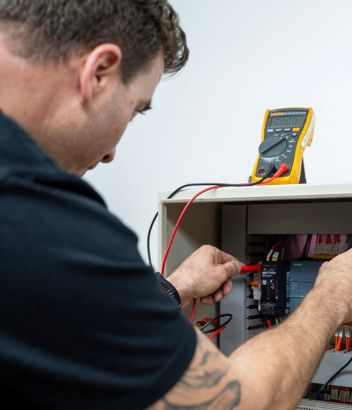
Your home’s electrical system plays a key role in safety and daily comfort. Over time, wiring can wear out or become outdated, especially in an older property. This can lead to performance issues or safety concerns if not addressed.
Many homeowners ask how often they need to rewire a house. While there is no exact timeline for every home, understanding the signs and general guidelines can help you make the right decision.

Why Rewiring Is Important
Without updates, older wiring may struggle to handle the electrical load, which can lead to overheating or damage.
Upgrading your system helps:
- Improve safety
- Support modern electrical use
- Reduce the risk of fire hazard
- Keep your home compliant with electrical standards
How Often Should a House Be Rewired?
There is no fixed rule, but many experts suggest reviewing your wiring every 25 to 30 years.
However, rewiring may be needed sooner if:
- The home has outdated wiring
- The system cannot support the current electrical use
- There are frequent electrical issues
For many older homes, the existing system may no longer meet modern requirements, making an upgrade necessary.
Signs You May Need to Rewire Your Home
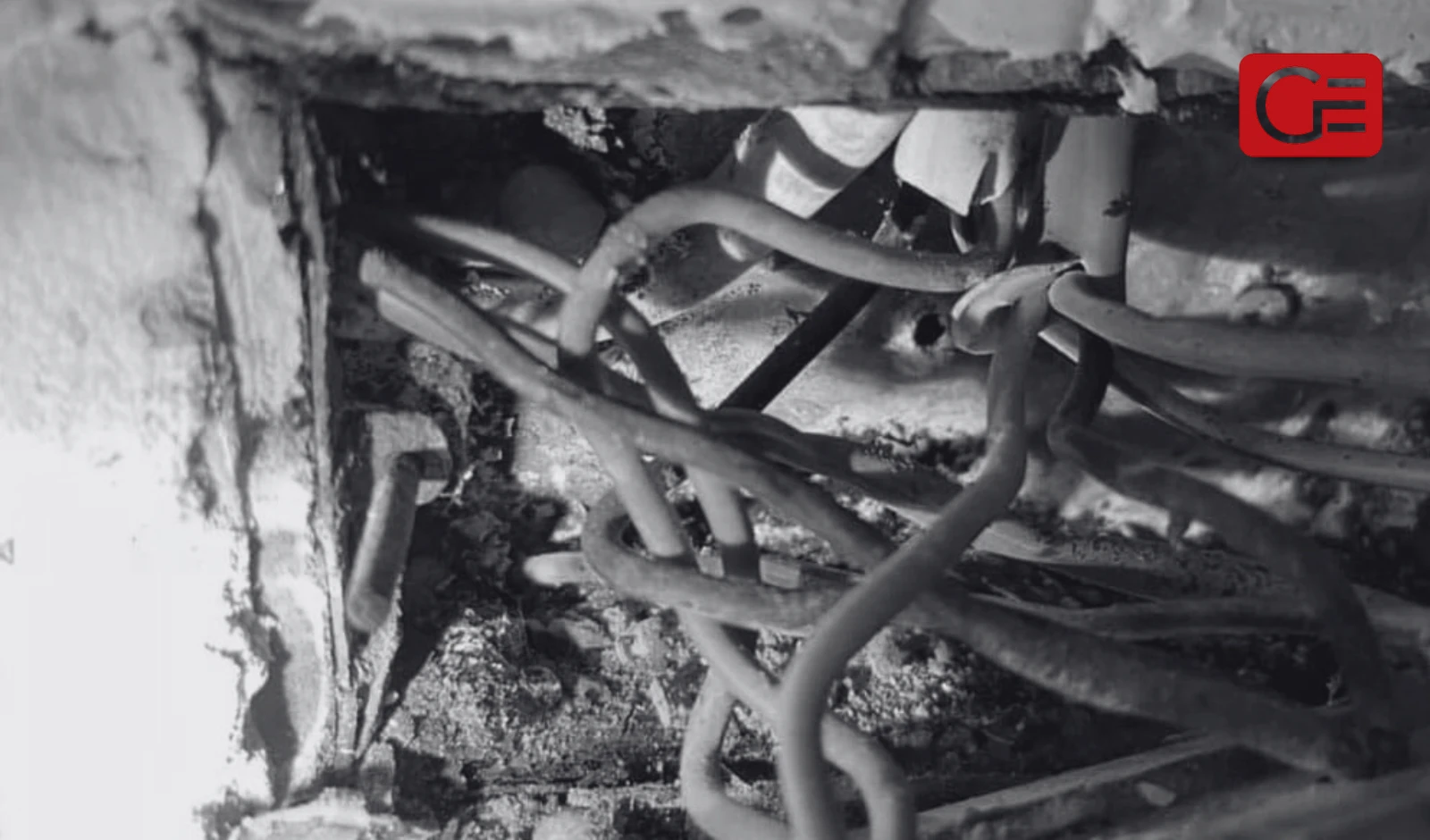
Your home may show clear warning signs that it is time to rewire your home.
Common signs include:
- Frequent tripping of circuit breakers
- Flickering or dimming lights
- Burning smells near outlets
- Outdated fuse box instead of modern panels
- Warm outlets or switches
- Experiencing electric shocks when using appliances
These signs may indicate faulty wiring or problems with the existing wiring.
Full Rewire vs Partial Rewiring
Not every home needs a complete upgrade. The type of work depends on the condition of the system.
- Full Rewire - A full rewire replaces all wiring in the home. This is often needed in older properties where the system is outdated or unsafe.
- Partial Rewiring - Partial rewiring focuses on specific areas, such as kitchens or living spaces. This may be enough if only certain parts of the home need upgrading.
Rewiring an Older Property
An older property often has wiring that does not meet current standards. These homes may still rely on outdated materials or designs.
Common issues include:
- Limited capacity for modern appliances
- Aging or damaged wiring
- Increased risk of electrical fires
Upgrading the wiring system in these homes helps improve safety and performance.
What Happens During Electrical Work?
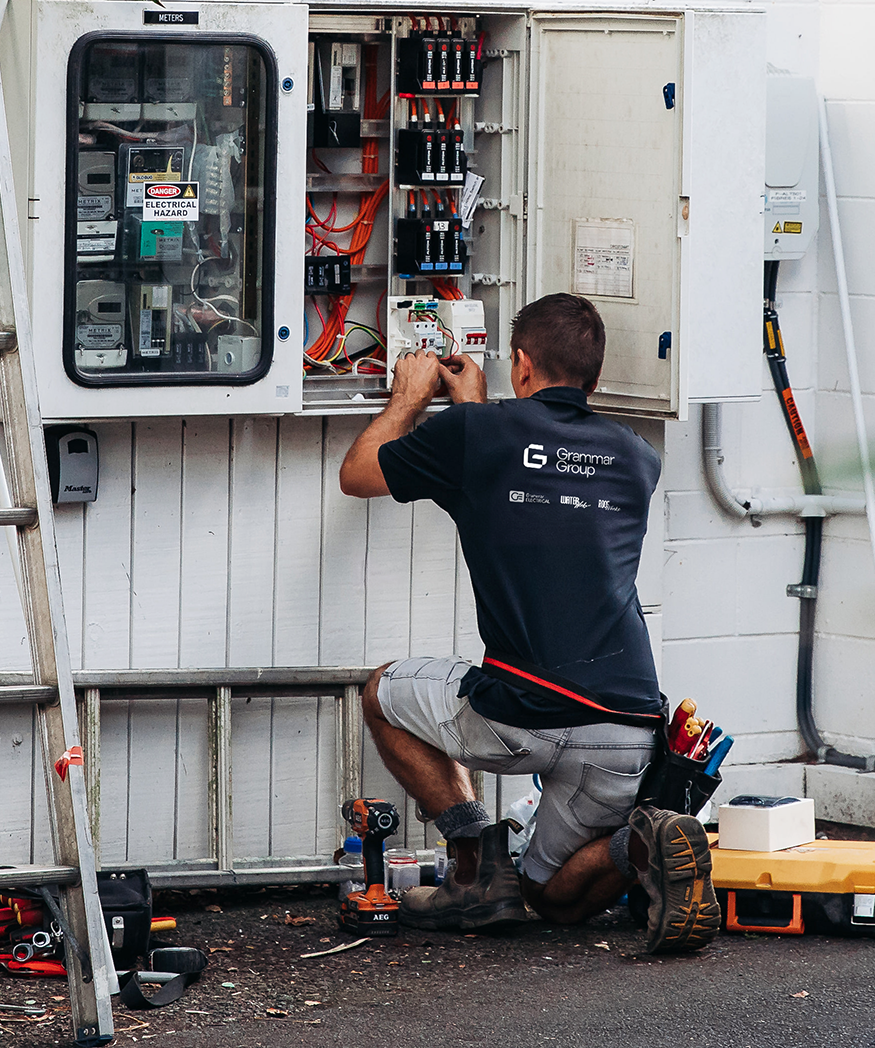
Rewiring involves replacing old wiring and updating the system to meet modern needs.
This type of electrical work may include:
- Removing old cables
- Installing new wiring
- Upgrading panels or circuit breakers
- Testing the system for safety
Because this process is complex, it should always be handled by professionals.
Why Professional Inspection Matters
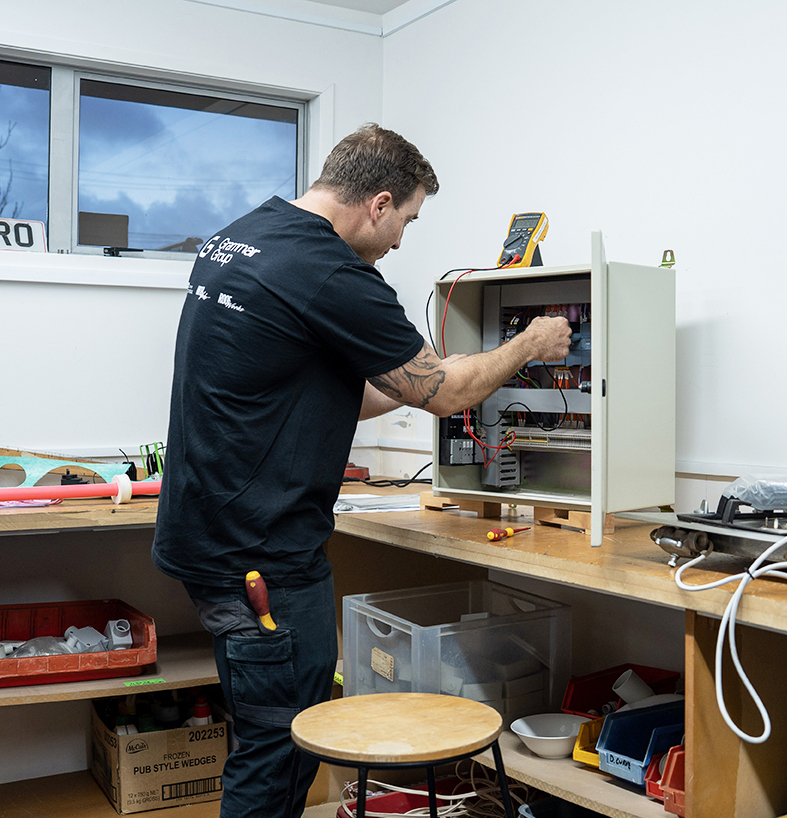
A qualified electrician can assess the condition of your wiring and recommend the best solution.
A registered electrician or residential electrician can:
- Check for faulty wiring
- Evaluate the electrical load
- Ensure the system meets safety standards
Regular inspections help prevent issues and keep your home safe.
Final Thoughts
Understanding how often you should rewire a house helps you stay ahead of potential problems. While many homes may not need frequent rewiring, older systems should be checked regularly.
If you notice warning signs or live in an older home, it may be time to consider upgrading your wiring. Keeping your electrical system updated helps reduce risks and supports modern living needs.
Professional Home Rewiring Services
Outdated or faulty wiring can put your home at risk and affect the performance of your electrical system. Upgrading your wiring improves safety, supports modern appliances, and ensures your home runs efficiently and reliably. A professional assessment helps identify whether you need a full rewire or targeted upgrades so you only pay for what’s necessary.
Don’t wait for electrical issues to become serious. Call Grammar Electrical on 09 884 6611 or book online today and enjoy $15 off your service.
Auckland’s Trusted Electricians
Fast, reliable electrical repairs, installations & upgrades - available 24/7.
Book Online & Save $15



Got a question?
Contact us for a FREE installation quote or book your job online today.
Same Day Service Guarantee - Terms & Conditions

The "Same Day Service Guarantee or it's Free" applies to:
a. Residential work and Commercial only.
b. Jobs specified as needing same day service when booking a job by phone or online.
c. Residential and Commercial work booked with Grammar Electrical:
i) Before 11:00AM
ii) For calls or online bookings received after 11:00AM, the customer will be offered a job. Booking for the next business day and normal callout fees ($170+ GST) will apply.
iii) Any other jobs booked outside business hours (9:00AM - 5:00PM Monday- Friday) will incur after hours charges.
iv) This offer is excluded for jobs booked on New Zealand public holidays.
d. If Grammar Electrical are unable to attend on the same day (within 24 hours) for a job booked by the customer, the standard callout fee of $170 + GST will be waived and is free, but all other normal charges, fees and expenses will apply to perform the Electrical Services and to provide any products/materials concerning those services.
e. The Standard Callout Fee will be deducted from your bill as long as you pay within your invoice's due date. The callout charge is applicable if your invoice is overdue.
f. If Grammar Electrical are willing and able to perform the Service or provide the Goods on the same day the job is booked, however the Customer for whatever reason does not give access to their property on the day, Grammar Electrical will be deemed to have complied with it's "Same Day or it's Free" guarantee and shall be entitled to charge the customer the standard call-out fee.
g. This offer is not a guarantee of work being completed. The completion of the job will depend on stock availability and also the amount of work required.