




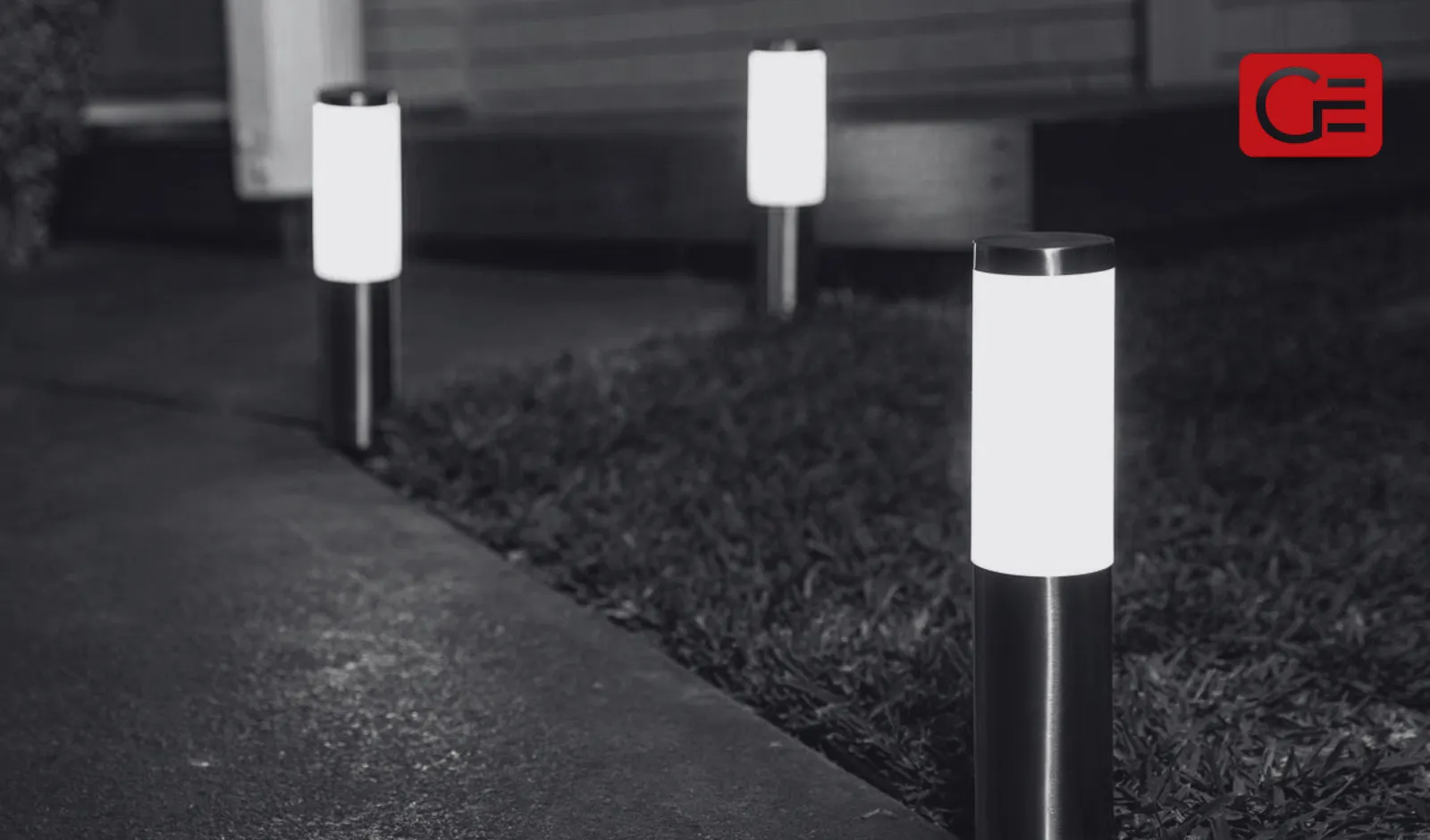

Every night when your garden path lights up or your solar fairy lights begin to glow, a small system inside each fixture is quietly working to collect and store sunlight, detect darkness, and power your outdoor space. Solar lighting may feel simple, but behind that warm glow is a combination of delicate components all working in sync.
So, what happens when your solar lights dim, flicker, or stop working completely? And why does it matter to understand how they work? Knowing the basics can help you recognise early warning signs, avoid unsafe DIY repairs, and ensure your outdoor lighting continues operating safely and efficiently.
What Are Solar Lights and How Do They Work?
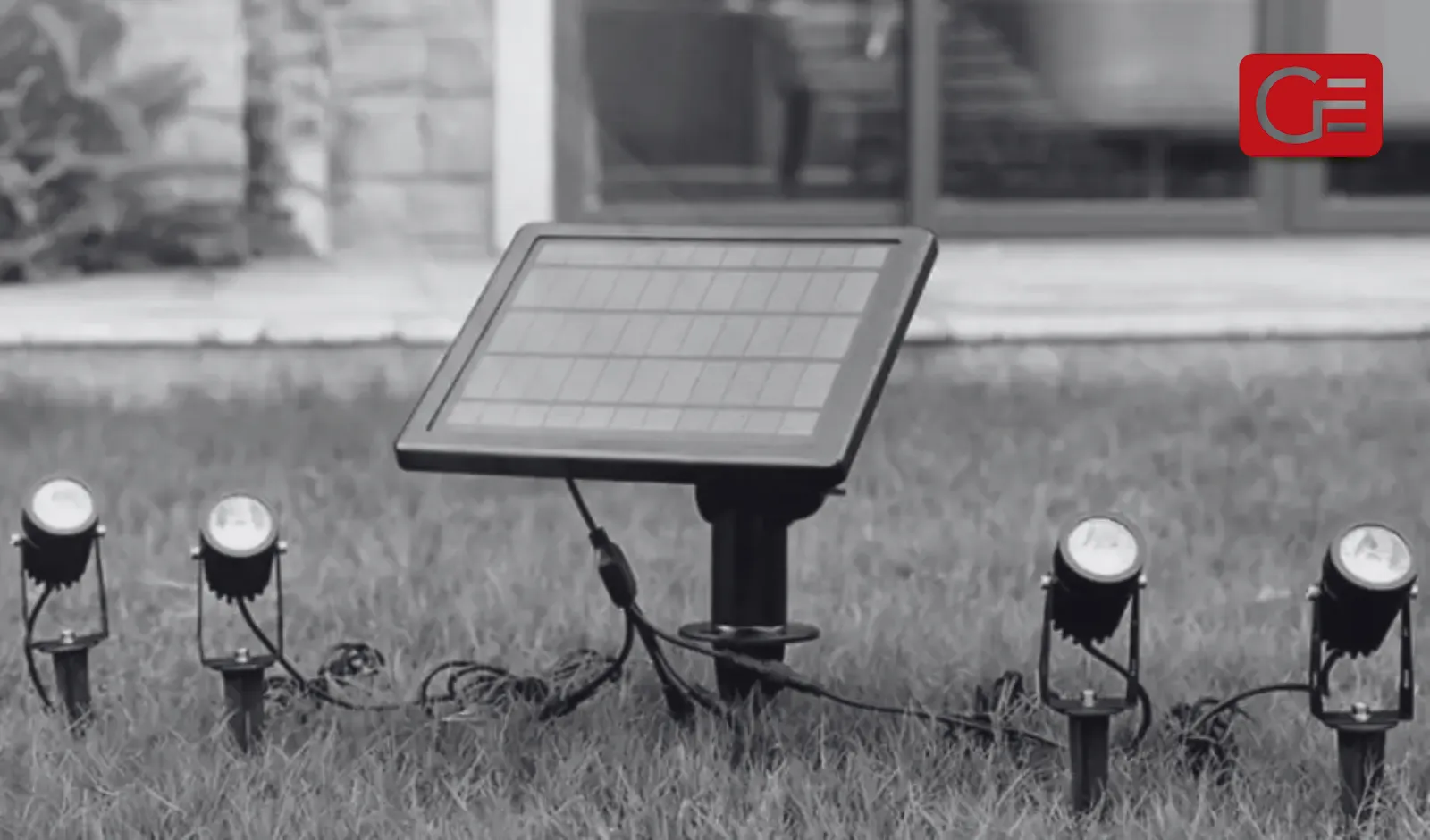
Solar lights are outdoor lighting units powered by a solar panel that absorbs sunlight during the day. This energy is stored inside rechargeable batteries, then released at night when the light sensor detects darkness. Internal wiring, battery terminals, and moisture-resistant casing all play essential roles in making your outdoor solar lights work dependably.
But because these systems rely on several small, interconnected parts, even one minor fault can cause performance issues with your solar lighting.
Why Solar Lights Stop Working
While solar lights appear low-maintenance, they face constant exposure to sun, wind, rain, and moisture, especially in New Zealand weather conditions. Over time, this can lead to:
- Dirty or shaded solar panel
- Corroded or damaged battery terminals
- Ageing rechargeable batteries that no longer hold charge
- Loose or worn internal wiring
- Faulty or blocked light sensor
- Moisture inside the casing
- Low-quality components breaking down
- Structural wear from movement or impact
If you’ve noticed new issues with your solar lights after a storm or winter months, a deeper internal problem may be the cause.
Common Warning Signs of Solar Light Problems
1. Lights turn on, then shut off quickly
This usually indicates weak batteries or charging issues due to limited sunlight or internal faults.
2. Light doesn’t switch on at all
A blocked sensor, moisture damage, or wiring failure may be the cause.
3. Dim lighting even after sunny weather
Your solar panel may not be charging effectively, or the battery may be reaching the end of its life.
4. Flickering or uneven brightness
This is often related to wiring problems, especially in older solar fairy lights.
5. Lights stopped working after rainfall
This is a serious sign of moisture inside the unit, and only a registered electrician should assess it.
Solar lights often fail silently, so identifying these early signs helps prevent more serious faults later.
Why DIY Repairs Aren’t Safe
If you’ve searched online for how to fix broken wire on solar lights, you’ve probably seen plenty of DIY tutorials. But even low-voltage lights can pose risks, especially when wiring, moisture, or batteries are involved.
Here’s why DIY repairs are unsafe:
- Electrical Shock: Moisture or damaged wiring can still deliver shock, even in solar systems.
- Fire Hazards: Incorrectly joined wires or mismatched components can overheat or short-circuit.
- Battery Risks: Rechargeable batteries can leak, swell, or rupture when handled incorrectly.
- Hidden Moisture Damage: Opening a wet unit can increase risk and further harm internal components.
- Safety & Compliance: Only a licensed electrician can make repairs that meet NZ electrical safety standards.
If a fault appears internal, turn off the light and avoid opening the unit completely.
A licensed electrician can diagnose issues safely and prevent further damage.
Safe Checks You Can Perform (Without Opening Anything)
Just like your circuit breaker blog, here are homeowner-safe checks, no tools, no disassembly, no exposure to wiring.
1. Check solar panel placement
Shading from trees, fencing, or new structures prevents full charging.
2. Gently clean the solar panel
Dust, debris, and grime reduce sunlight absorption.
3. Look for moisture on the outside
Condensation inside the casing is a sign to call a professional.
4. Test the light sensor
Cover the panel with your hand to simulate darkness. If the light doesn’t activate, an internal fault may be present.
5. Inspect for visible external damage
Cracks, loose fixtures, or physical impact can lead to deeper internal issues.
If these checks don’t restore normal function, it’s time for a professional inspection.
The Role of Wiring in Solar Light Failure
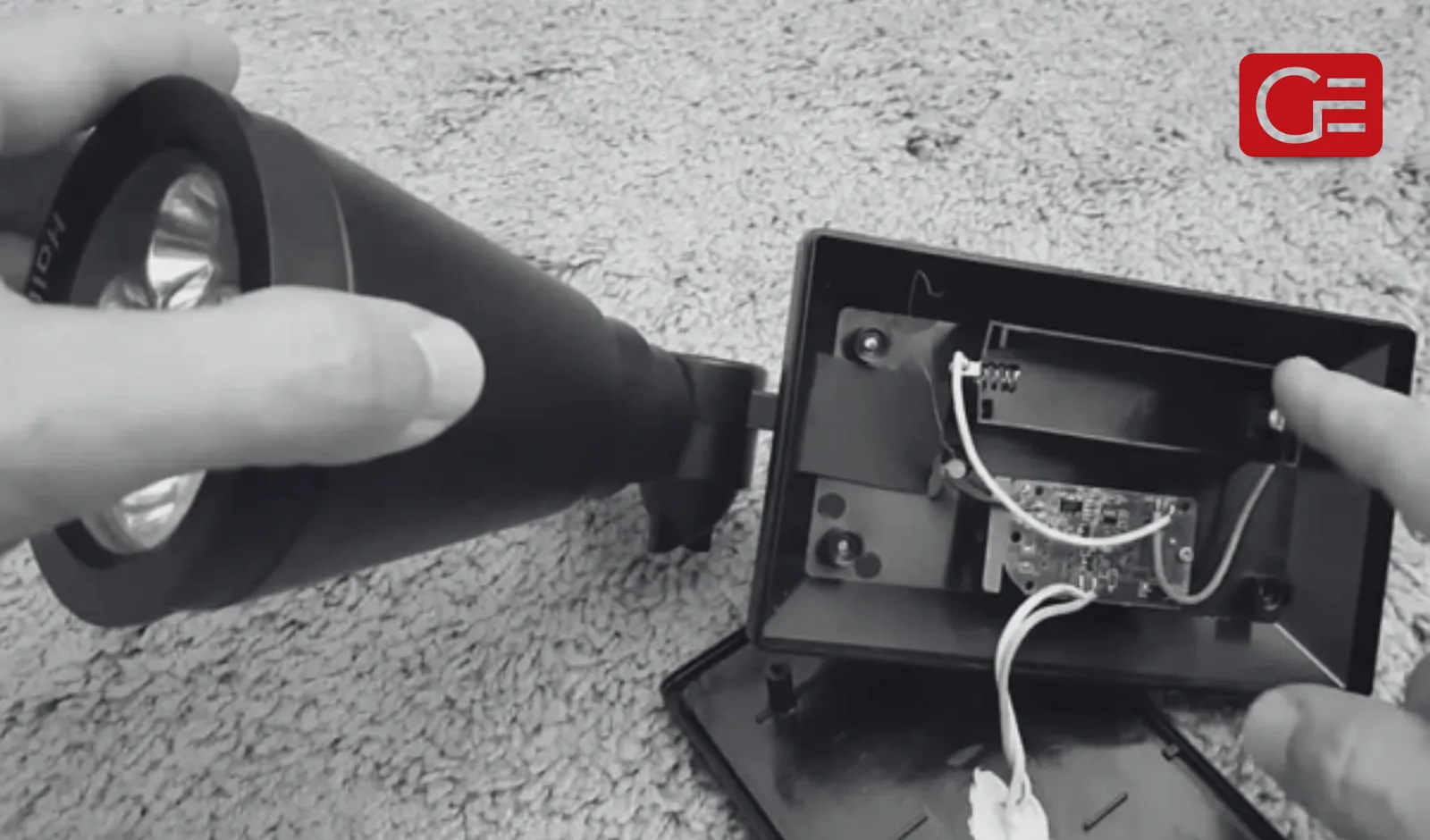
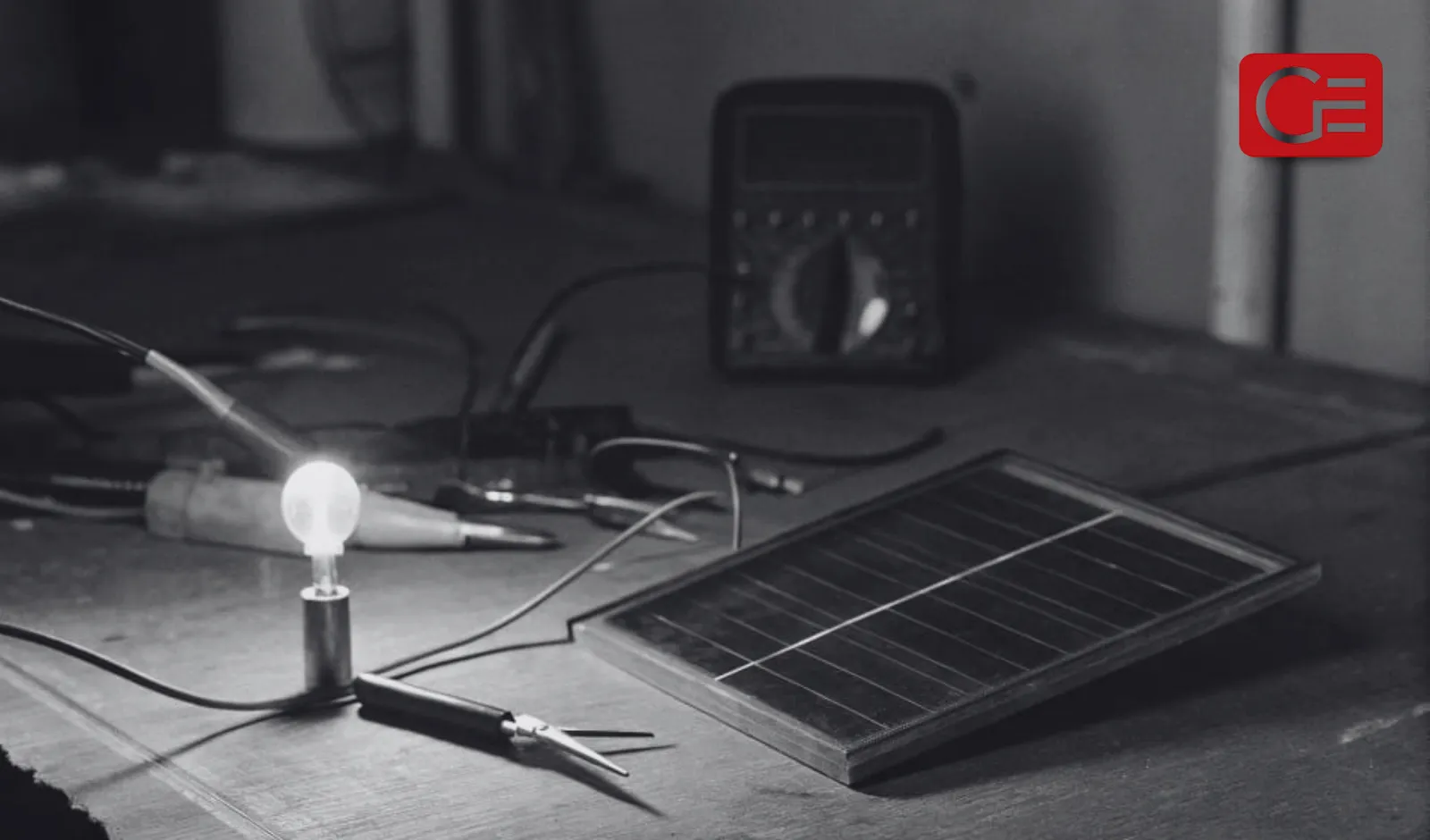
Internal wiring is one of the most frequent points of failure in outdoor solar lights, especially older units or string-style solar fairy lights. Weather exposure, movement, and aging can cause wires to loosen or break inside the casing.
However, wiring repairs are never safe for homeowners. Opening the casing exposes:
- Internal wiring
- Delicate circuitry
- Battery terminals
- Potential moisture
These are all high-risk areas, even in low-voltage systems, and should only be handled by a licensed electrician.
Regular Maintenance for Long-Lasting Solar Lights
While internal repairs are off-limits, regular electrical maintenance helps maximise performance and reduce future problems:
- Clean the solar panel regularly
- Keep plants trimmed away from panels
- Allow lights to fully charge in direct sunlight
- Check lights seasonally
- Select high quality outdoor solar lights built for NZ weather
These simple habits extend the life of your system safely.
When to Call a Licensed Electrician
Contact a professional if your solar lights:
- No longer turn on
- Flicker or dim repeatedly
- Stop working after rain
- Become inconsistent after sunset
- Show signs of wiring or battery terminal damage
- Fail even after cleaning and repositioning
Anything involving the internal components of solar lighting requires licensed expertise, so contacting an on call electrician near you is the safest option.
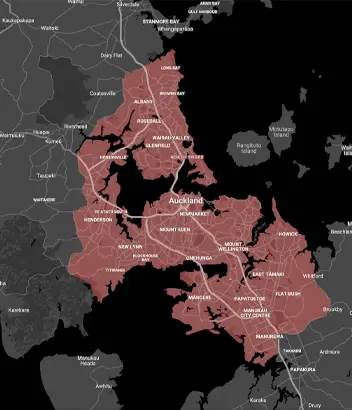
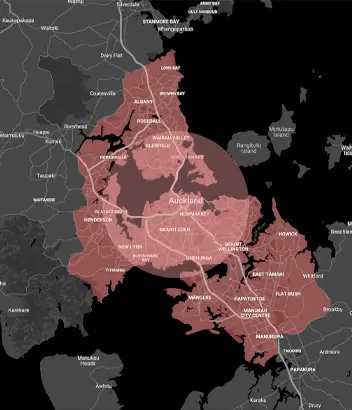
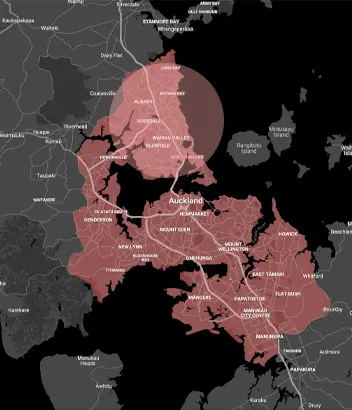
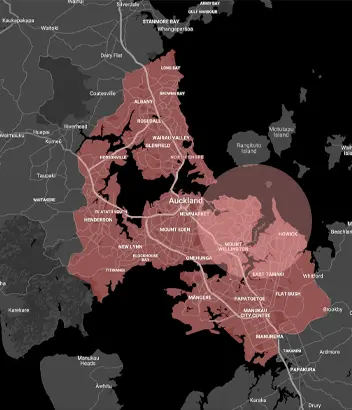
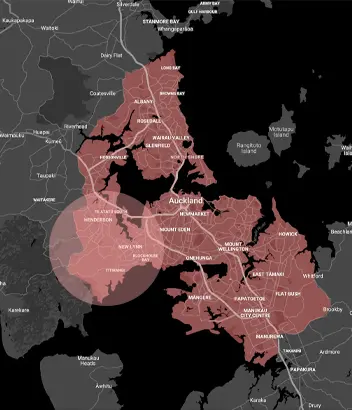
Your Trusted Solar Lighting Experts in Auckland
Grammar Electrical has been trusted by Auckland homeowners for decades. When your solar lights aren’t working properly, our team provides safe, reliable, and compliant solutions tailored to NZ homes.
- Licensed, experienced electricians
We follow all NZ electrical safety standards to keep your lighting safe and efficient. - Thorough diagnosis of solar lighting faults
From sensors to wiring, we assess the exact cause without unnecessary replacements. - Honest repair or replacement advice
If repairing the unit isn’t safe or cost-effective, we’ll guide you toward the best long-term solution. - Fast Auckland-wide service
Including 24-hour emergency electricians for urgent lighting issues. - Trusted professionals for all outdoor solar systems
From lighting installation to repairs, we work on garden lights, pathway lights, solar fairy lights, and more.
If your solar lights have stopped working or you're noticing early warning signs, leave the repairs to the professionals. Call us today or book online & save $15. Available 24/7 for emergency electrical support.
Auckland’s Trusted Electricians
Fast, reliable electrical repairs, installations & upgrades - available 24/7.
Book Online & Save $15



Got a question?
Contact us for a FREE installation quote or book your job online today.
Same Day Service Guarantee - Terms & Conditions

The "Same Day Service Guarantee or it's Free" applies to:
a. Residential work and Commercial only.
b. Jobs specified as needing same day service when booking a job by phone or online.
c. Residential and Commercial work booked with Grammar Electrical:
i) Before 11:00AM
ii) For calls or online bookings received after 11:00AM, the customer will be offered a job. Booking for the next business day and normal callout fees ($170+ GST) will apply.
iii) Any other jobs booked outside business hours (9:00AM - 5:00PM Monday- Friday) will incur after hours charges.
iv) This offer is excluded for jobs booked on New Zealand public holidays.
d. If Grammar Electrical are unable to attend on the same day (within 24 hours) for a job booked by the customer, the standard callout fee of $170 + GST will be waived and is free, but all other normal charges, fees and expenses will apply to perform the Electrical Services and to provide any products/materials concerning those services.
e. The Standard Callout Fee will be deducted from your bill as long as you pay within your invoice's due date. The callout charge is applicable if your invoice is overdue.
f. If Grammar Electrical are willing and able to perform the Service or provide the Goods on the same day the job is booked, however the Customer for whatever reason does not give access to their property on the day, Grammar Electrical will be deemed to have complied with it's "Same Day or it's Free" guarantee and shall be entitled to charge the customer the standard call-out fee.
g. This offer is not a guarantee of work being completed. The completion of the job will depend on stock availability and also the amount of work required.