









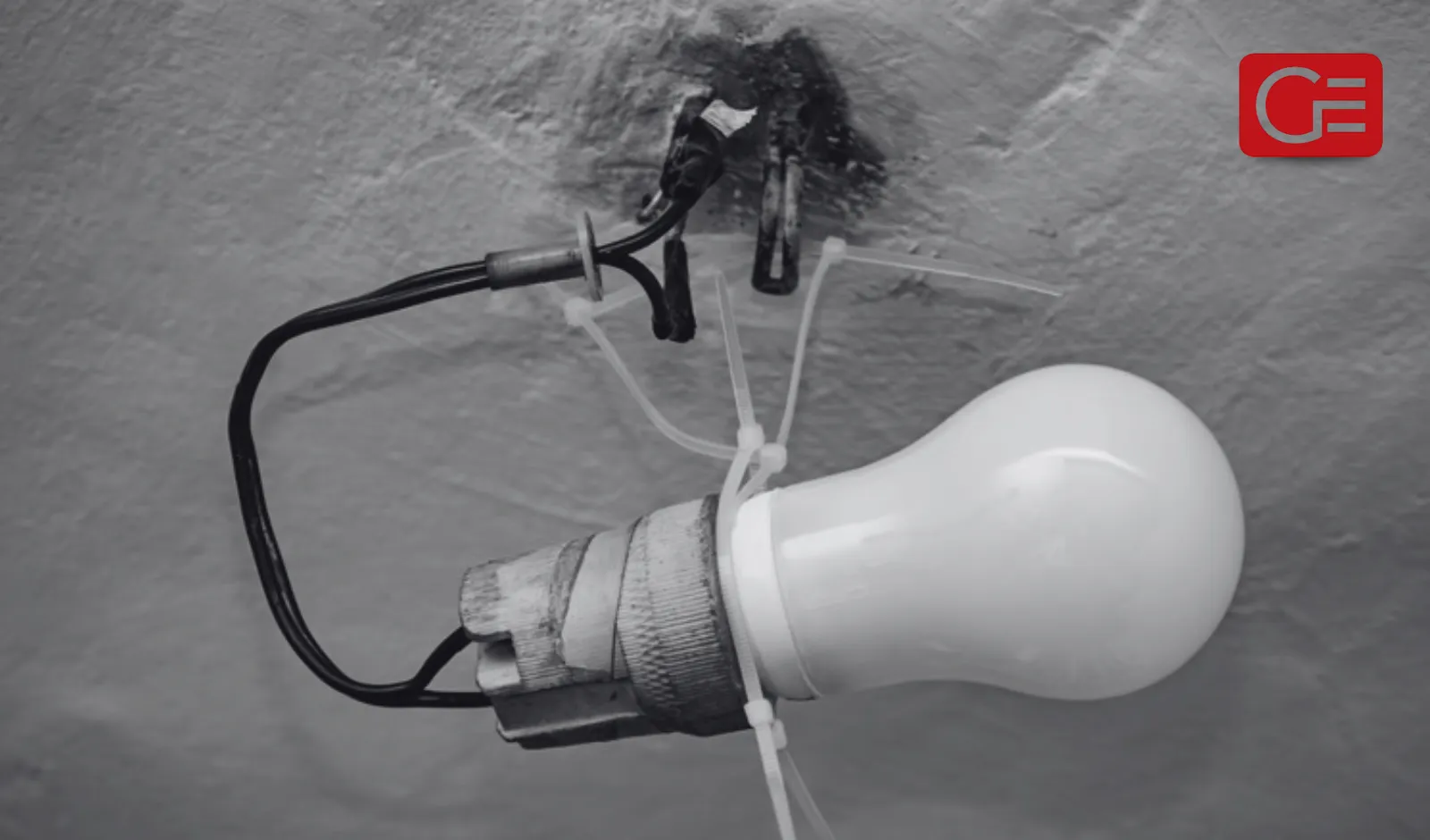

Light bulb sockets may look small, but they are an important part of your lighting system. When a socket is wired correctly, the light works smoothly and stays steady. When something goes wrong, even a new bulb can flicker, feel loose, or stop working.
Because sockets connect directly to your electrical system, problems inside them should not be ignored. This guide explains what a socket does, why rewiring may be needed, and when professional help is the safest choice.
What a Light Bulb Socket Does
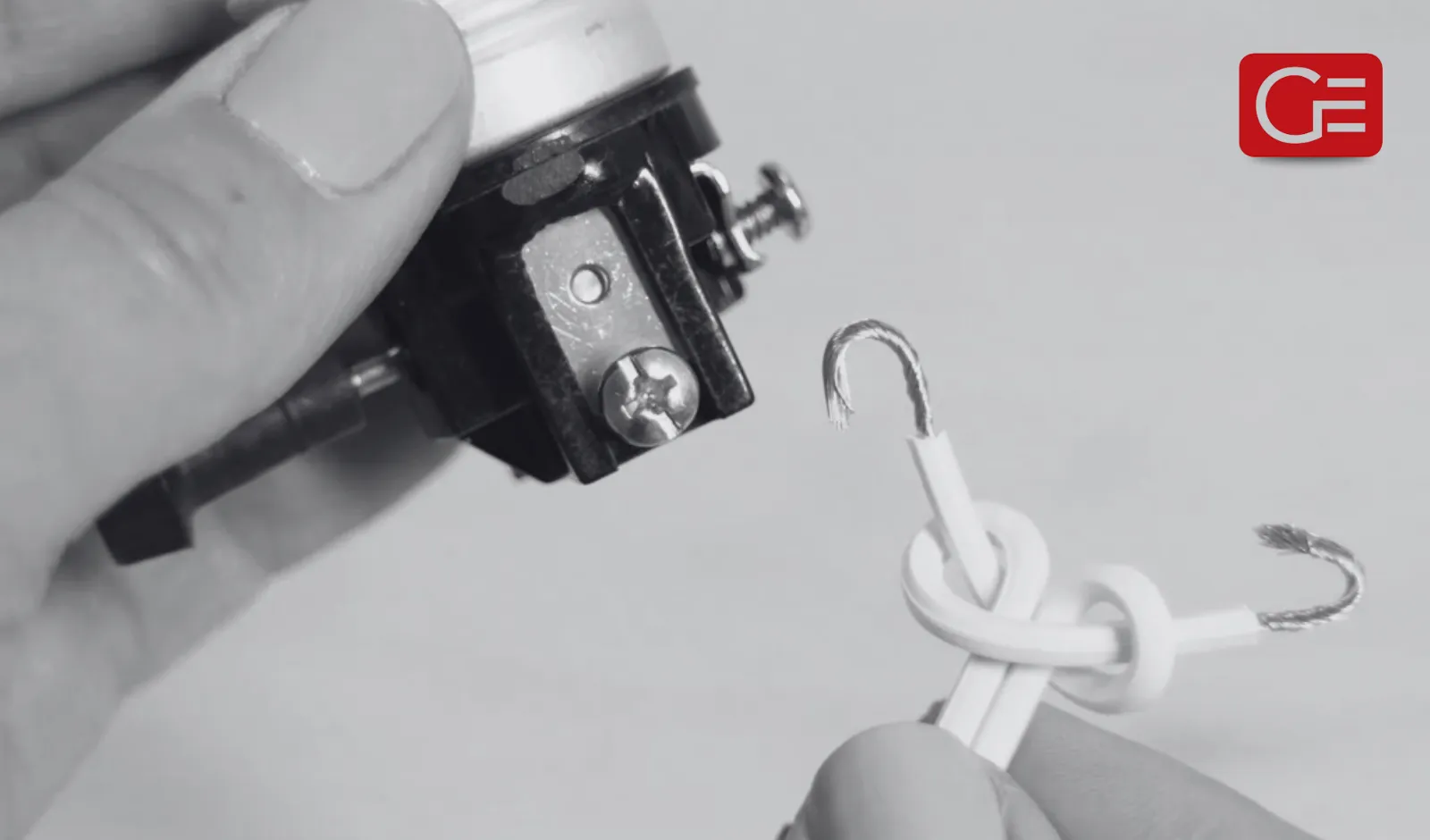
A light bulb socket holds the bulb in place and delivers power to it. Inside the socket are small metal contact points connected to electrical wires. These parts must stay clean, tight, and insulated.
When connections are secure, electricity flows evenly to the bulb. When they loosen or wear down, power flow becomes unstable. This often causes flickering, dim light, or loss of power.
Heat from bulbs, vibration, and daily use slowly wear down sockets. Over time, this can affect both performance and safety.
Why Light Bulb Sockets Need Rewiring
Rewiring is needed when the wiring inside a socket becomes loose or unsafe. This does not only happen because of age. Heat buildup, poor installation, or using the wrong bulb type can speed up damage.
Common signs a socket may need rewiring include:
- Lights flickering or switching off
- Bulbs that loosen easily
- Burning smells near the fitting
- Dark marks or corrosion inside the socket
- Bulbs are failing more often than expected
These signs usually point to damaged wiring or loose connections around the screw terminals inside the socket.
Understanding How a Socket Is Wired
Inside a socket are two main wire connections that complete the electrical circuit. These wires must be placed correctly and tightened securely. They also need protection from heat and movement.
Even a small wiring issue can worsen over time. Heat causes materials to expand and contract. Vibration from doors, floors, or fixtures can loosen connections. This increases the chance of faults.
This is why socket wiring must be done carefully and correctly.
Why DIY Socket Wiring Is Risky
Although a socket is small, wiring it incorrectly can affect the whole lighting circuit. Some problems do not appear straight away. A light may seem fine at first and fail later.
Risks of DIY socket wiring include:
- Electric shock from exposed wires
- Loose connections that spark
- Overheating inside the fitting
- Damage to ceilings or fixtures
- Increased fire risk
Because wiring is hidden, damage may only become clear after serious problems develop.

Signs a Socket May Be Wired Incorrectly
You do not need to open the fitting to notice warning signs. Many issues appear during normal use.
Watch for:
- Flickering when the light is switched on
- Bulbs that work in other fittings but not this one
- Buzzing or crackling sounds
- Warm or discoloured fittings
- Frequent bulb replacement
These signs suggest internal wiring problems and should be checked by a professional.
Rewiring vs Replacing a Socket
Sometimes rewiring fixes the issue. In other cases, replacing the socket or the entire fitting is safer.
An electrician will check:
- The condition of the internal wiring
- Signs of heat or moisture damage
- Whether the socket suits the bulb type
- The overall safety of the fitting
Older or damaged sockets are often replaced to reduce future risk and improve reliability.
When Professional Help Is Needed
You should contact a professional if:
- A socket feels loose or unstable
- The lights flicker often
- You notice heat or burning smells
- The fitting shows visible damage
- You are unsure about the wiring
If the issue feels urgent or unsafe, an emergency electrician can respond quickly to prevent further damage.

Why Professional Installation Matters
Understanding how sockets work can help you spot problems early. However, safe electrical work requires proper training, tools, and experience.
A registered electrician provides:
- Electrical safety knowledge
- Experience with different fittings and systems
- Approved tools and materials
- Compliance with electrical regulations
Professional lighting installation reduces long-term risk and helps prevent repeat problems.
Final Thoughts
Light bulb sockets are small, but they play a big role in safe lighting. When wiring inside a socket fails, it can affect safety, performance, and the life of your lighting system.
If you notice flickering lights or loose bulbs, it is often a sign that something needs attention. Professional help ensures the issue is fixed safely and correctly.
Get Expert Help with Lighting Installation
Lighting problems should never be ignored. Grammar Electrical provides safe and reliable lighting installation and repairs for homes and businesses. Our registered electricians ensure sockets and fittings meet safety standards and work properly.
Call Grammar Electrical on 09 884 6611 or book online and save $15.
Auckland’s Trusted Electricians
Fast, reliable electrical repairs, installations & upgrades - available 24/7.
Book Online & Save $15



Got a question?
Contact us for a FREE installation quote or book your job online today.
Same Day Service Guarantee - Terms & Conditions

The "Same Day Service Guarantee or it's Free" applies to:
a. Residential work and Commercial only.
b. Jobs specified as needing same day service when booking a job by phone or online.
c. Residential and Commercial work booked with Grammar Electrical:
i) Before 11:00AM
ii) For calls or online bookings received after 11:00AM, the customer will be offered a job. Booking for the next business day and normal callout fees ($170+ GST) will apply.
iii) Any other jobs booked outside business hours (9:00AM - 5:00PM Monday- Friday) will incur after hours charges.
iv) This offer is excluded for jobs booked on New Zealand public holidays.
d. If Grammar Electrical are unable to attend on the same day (within 24 hours) for a job booked by the customer, the standard callout fee of $170 + GST will be waived and is free, but all other normal charges, fees and expenses will apply to perform the Electrical Services and to provide any products/materials concerning those services.
e. The Standard Callout Fee will be deducted from your bill as long as you pay within your invoice's due date. The callout charge is applicable if your invoice is overdue.
f. If Grammar Electrical are willing and able to perform the Service or provide the Goods on the same day the job is booked, however the Customer for whatever reason does not give access to their property on the day, Grammar Electrical will be deemed to have complied with it's "Same Day or it's Free" guarantee and shall be entitled to charge the customer the standard call-out fee.
g. This offer is not a guarantee of work being completed. The completion of the job will depend on stock availability and also the amount of work required.