



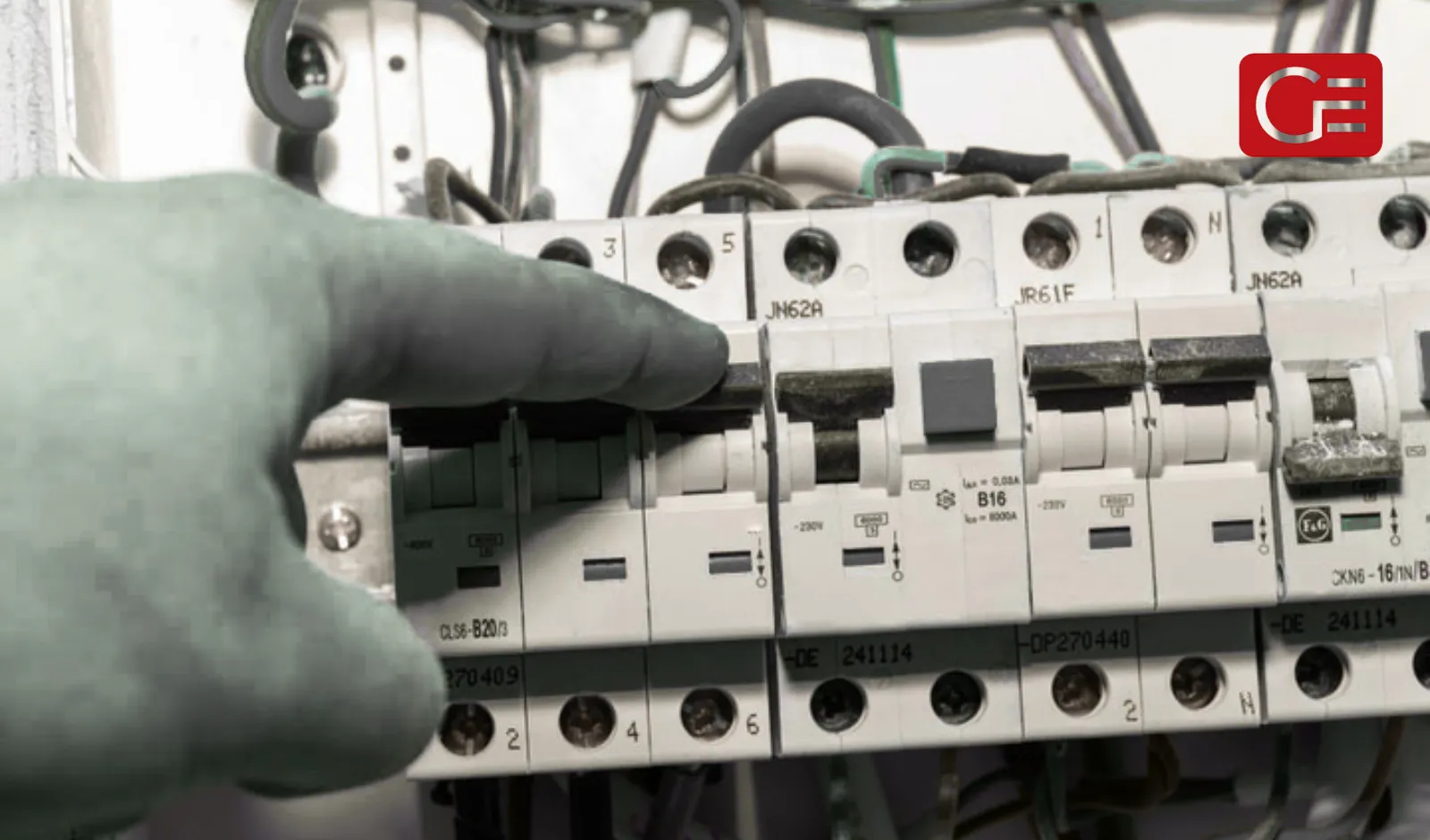

When the lights go out or an appliance suddenly stops working, your first instinct might be to check the fuse box. But removing a fuse without proper knowledge can be more dangerous than most homeowners realize.
In this guide, we’ll explain how to remove a fuse from a fuse box safely and, more importantly, why it’s crucial to have a licensed electrician handle it.
What Is a Fuse and What Does It Do?
A fuse is a small but vital safety device that protects your electrical system. It contains a thin metal wire that melts when the circuit draws too much current, breaking the flow of electricity and preventing overheating or fire.
If your fuse has blown, it’s a sign that something in the circuit has gone wrong, such as an overloaded appliance, faulty wiring, or a short circuit. Replacing the fuse alone won’t fix the root problem.
Signs You May Have a Blown Fuse
Before touching the fuse box, look for these indicators of a blown fuse:
- Certain lights or outlets have stopped working.
- There’s a faint burning smell or visible scorch marks on the fuse box.
- You notice a broken or discoloured metal strip inside the fuse.
- Your appliances keep turning off unexpectedly.
If any of these signs appear, proceed with extreme caution and better yet, call a professional.
How a Professional Electrician Safely Removes a Fuse
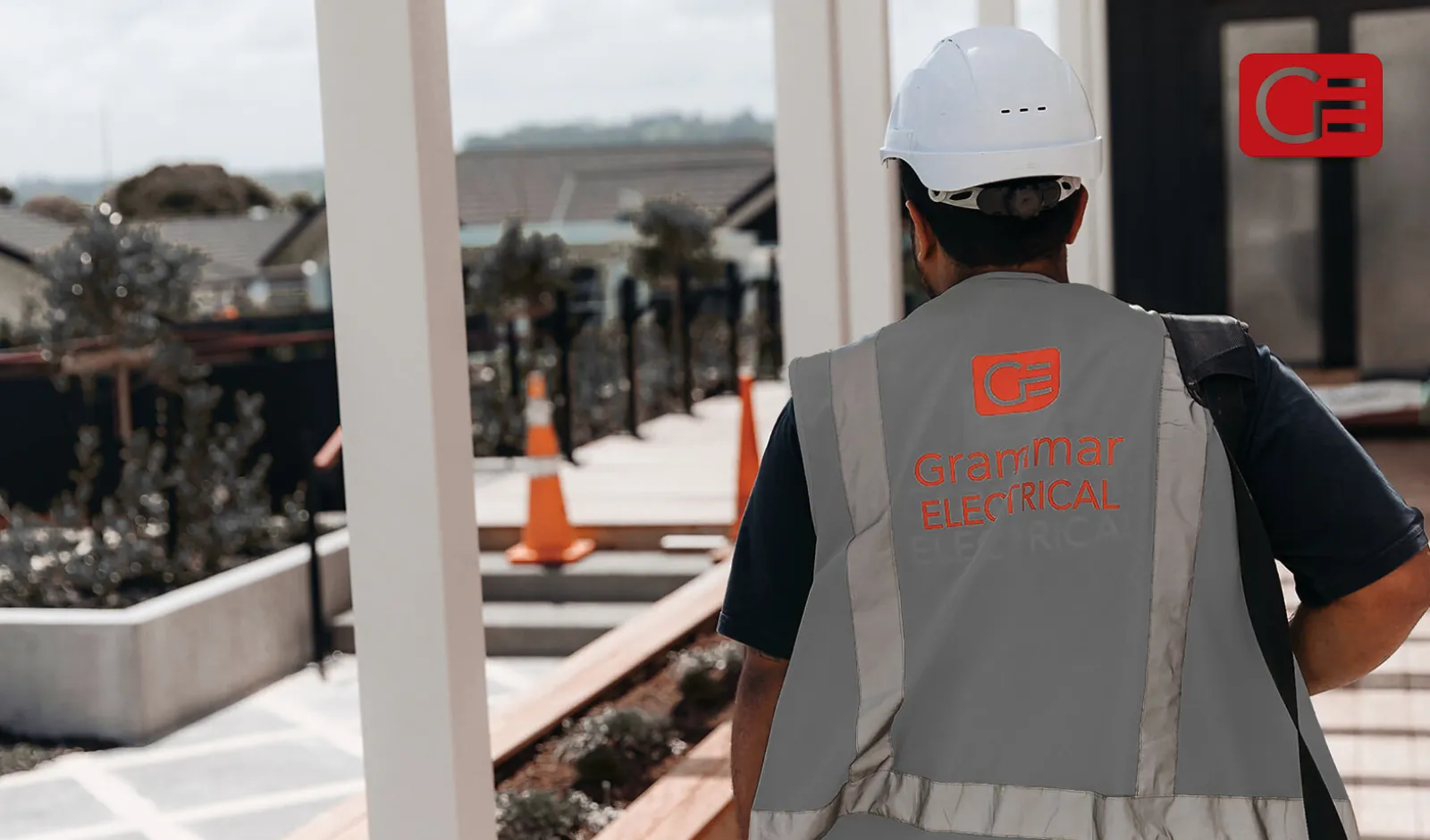
If you’re wondering how a fuse is safely removed, it’s important to remember this job should always be handled by a registered electrician. Fuse boards contain live electrical components, and even a small mistake can cause electric shock, burns, or serious damage to your electrical system.
In most cases, the electrician will first isolate the power at the main switch to reduce the risk of contact with live parts. They then carefully identify which fuse has failed, using visual signs such as discolouration, a melted internal wire, or a cloudy fuse window. Special insulated tools are used to remove the fuse safely without damaging the holder or surrounding wiring.
Once the faulty fuse is removed, the electrician selects a replacement with the correct amperage rating for that circuit. Before restoring power, they test the circuit, check for underlying faults, and confirm everything is operating safely. In some cases, they may also reset the breaker if the issue involves both the fuse and the connected circuit.
Even with the main switch off, parts of older boards can still be live. That is why removing or replacing a fuse is never recommended as a DIY task. If you suspect a blown fuse or keep losing power on the same circuit, the safest option is to call a registered electrician to inspect, diagnose, and fix the problem properly.
Why You Shouldn’t Remove or Replace Fuses Yourself
While it’s useful to understand how your fuse box works, removing or replacing fuses on your own can be extremely risky. Here’s why expert help is essential:
1. High Risk of Electric Shock
Even when the main power is off, residual voltage can remain in the system. One slip could result in a severe electric shock.
2. Potential Fire Hazards
Using the wrong type or rating of fuse may cause wires to overheat and ignite. Licensed electricians ensure all replacements meet New Zealand safety standards.
3. Hidden Electrical Faults
A blown fuse often points to a larger issue, like faulty wiring or water ingress. Electricians can diagnose these problems safely before they escalate.
4. Insurance and Legal Compliance
In New Zealand, most electrical work must be performed by a Registered Electrician. DIY repairs may void your home insurance or breach safety regulations.
When to Call an Expert
You should contact a licensed electrician, not attempt DIY, if you notice any of the following:
- You’re unsure which fuse has blown or the cause of the outage
- The same fuse keeps blowing repeatedly
- You smell burning, see sparks, or notice melted insulation near the fuse box
- A fuse blows again immediately after you restore power
- Your switchboard looks outdated, damaged, or unusually warm
- You hear buzzing coming from the fuse box
- You’ve replaced a fuse before and the problem still continues
- Lights flicker, dim, or appliances reset when the fuse blows
- You suspect a wiring fault or moisture near electrical components
These are signs of deeper electrical issues that require a professional electrician or an emergency electrician for your safety.
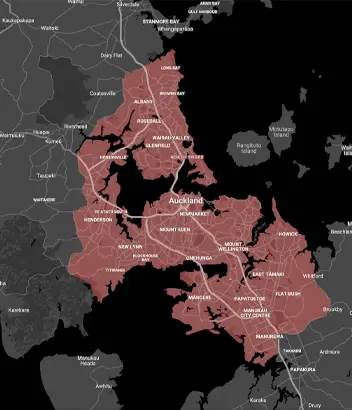
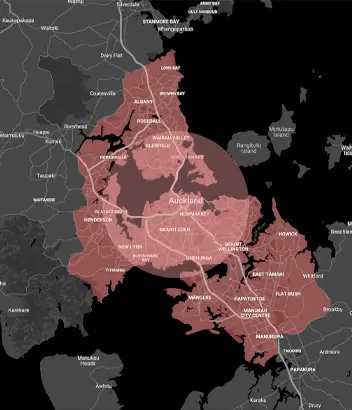
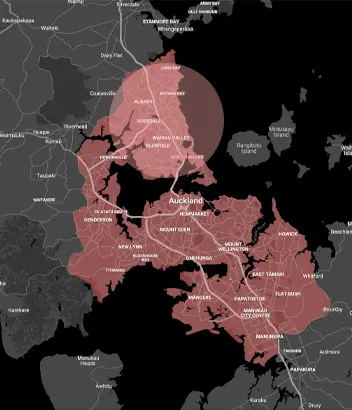
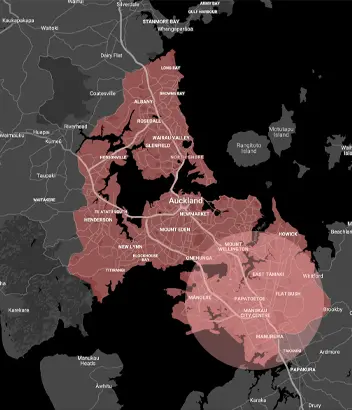
Trusted Electrical Support for Auckland Homes
When electrical problems strike, you need an expert you can rely on, especially during unexpected outages. Grammar Electrical provides safe, accurate, and professional electrical services across Auckland, helping homeowners restore power quickly and prevent future faults.
Here’s what you can expect:
- Registered Master Electricians who follow strict NZ safety standards
- Accurate fault diagnosis before any repair or replacement
- Workmanship guarantee up to $20,000
- Fast response times, including emergency electrician support
- Safe and compliant repairs for fuse boxes, wiring faults, and switchboards
If you need fast, dependable help, our electricians are available 24/7 across Auckland, giving you access to a trusted electrician near you whenever you need one. Call 09 884 6611 or book online & save $15.
Auckland’s Trusted Electricians
Fast, reliable electrical repairs, installations & upgrades - available 24/7.
Book Online & Save $15



Got a question?
Contact us for a FREE installation quote or book your job online today.
Same Day Service Guarantee - Terms & Conditions

The "Same Day Service Guarantee or it's Free" applies to:
a. Residential work and Commercial only.
b. Jobs specified as needing same day service when booking a job by phone or online.
c. Residential and Commercial work booked with Grammar Electrical:
i) Before 11:00AM
ii) For calls or online bookings received after 11:00AM, the customer will be offered a job. Booking for the next business day and normal callout fees ($170+ GST) will apply.
iii) Any other jobs booked outside business hours (9:00AM - 5:00PM Monday- Friday) will incur after hours charges.
iv) This offer is excluded for jobs booked on New Zealand public holidays.
d. If Grammar Electrical are unable to attend on the same day (within 24 hours) for a job booked by the customer, the standard callout fee of $170 + GST will be waived and is free, but all other normal charges, fees and expenses will apply to perform the Electrical Services and to provide any products/materials concerning those services.
e. The Standard Callout Fee will be deducted from your bill as long as you pay within your invoice's due date. The callout charge is applicable if your invoice is overdue.
f. If Grammar Electrical are willing and able to perform the Service or provide the Goods on the same day the job is booked, however the Customer for whatever reason does not give access to their property on the day, Grammar Electrical will be deemed to have complied with it's "Same Day or it's Free" guarantee and shall be entitled to charge the customer the standard call-out fee.
g. This offer is not a guarantee of work being completed. The completion of the job will depend on stock availability and also the amount of work required.