



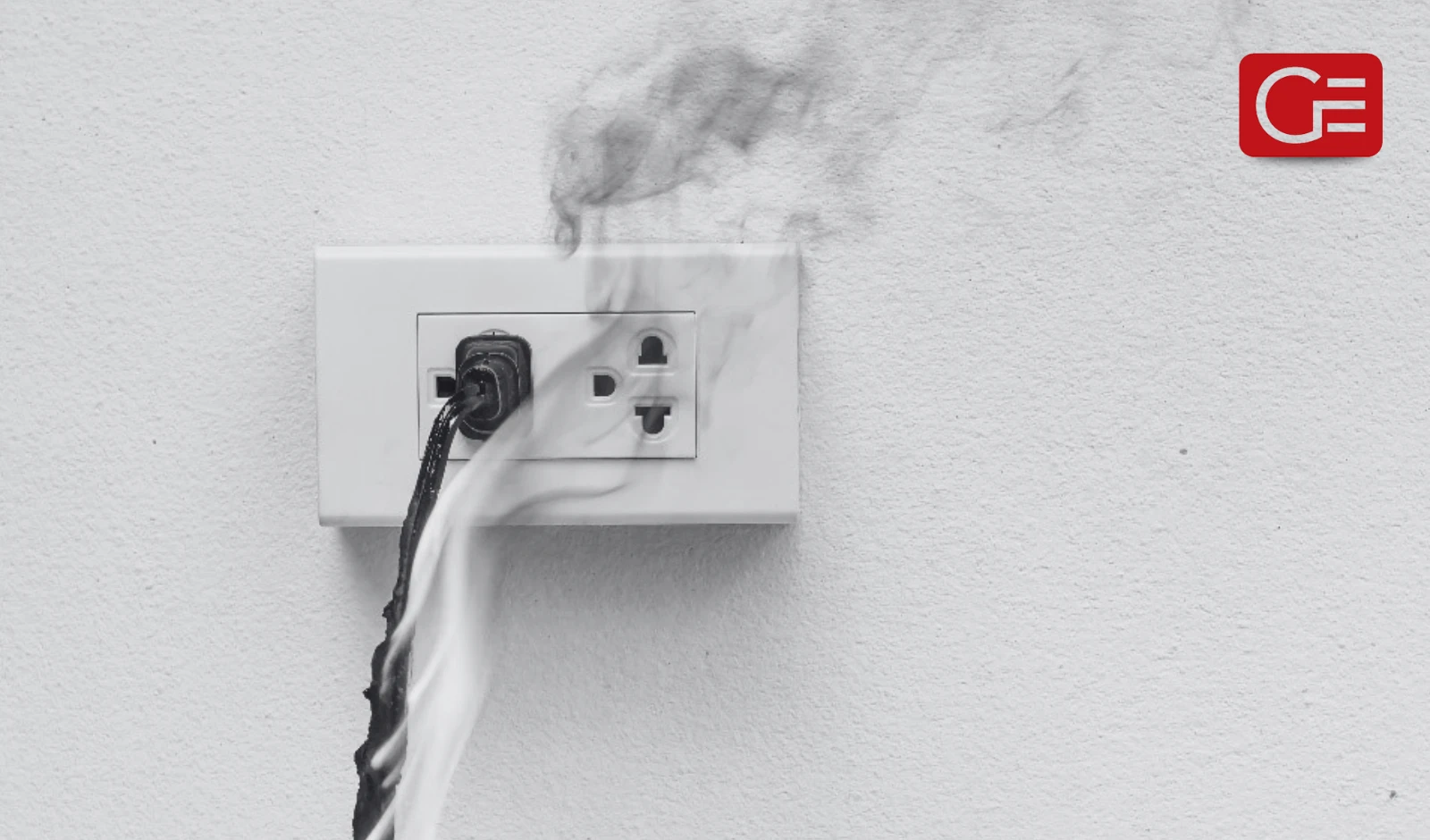


Electricity is an essential part of daily life, powering everything from lighting to appliances. However, problems in electrical systems can create serious safety risks if not handled properly.
One of the most common electrical issues is a short circuit. Understanding what a short circuit is and how it happens can help you recognise warning signs and protect your home.
What Does Short Circuit Mean?
A short circuit occurs when electricity bypasses its normal path and flows through a shorter, unintended route. This often happens when a wire touches another wire or a surface it should not.
In a normal electrical circuit, electricity flows through controlled paths. When a short circuit disrupts this flow, it can create a sudden surge of current that the system cannot handle. This is why short circuits are considered a serious issue in electrical safety.
How Does a Short Circuit Occur?
A short circuit occurs when there is a direct connection between wires that should not touch.
Common causes include:
- Damaged insulation exposing wires
- Loose connections inside outlets or switches
- Faulty wiring in walls or appliances
- A wire touches another wire or a metal surface
These situations allow electricity to flow too quickly, creating dangerous conditions.
Types of Short Circuits
There are different types of short circuits, depending on how the fault happens.
- Normal Short Circuit - This happens when a live wire comes into contact with a neutral wire's connection. It creates a surge of electricity in the circuit.
- Ground Fault - A ground fault occurs when a live wire touches a grounded surface. This type of fault can increase the risk of electric shock.
Devices like ground fault circuit interrupters GFCIs are designed to detect these faults and shut off power quickly, often as part of safety measures installed by a registered electrician.
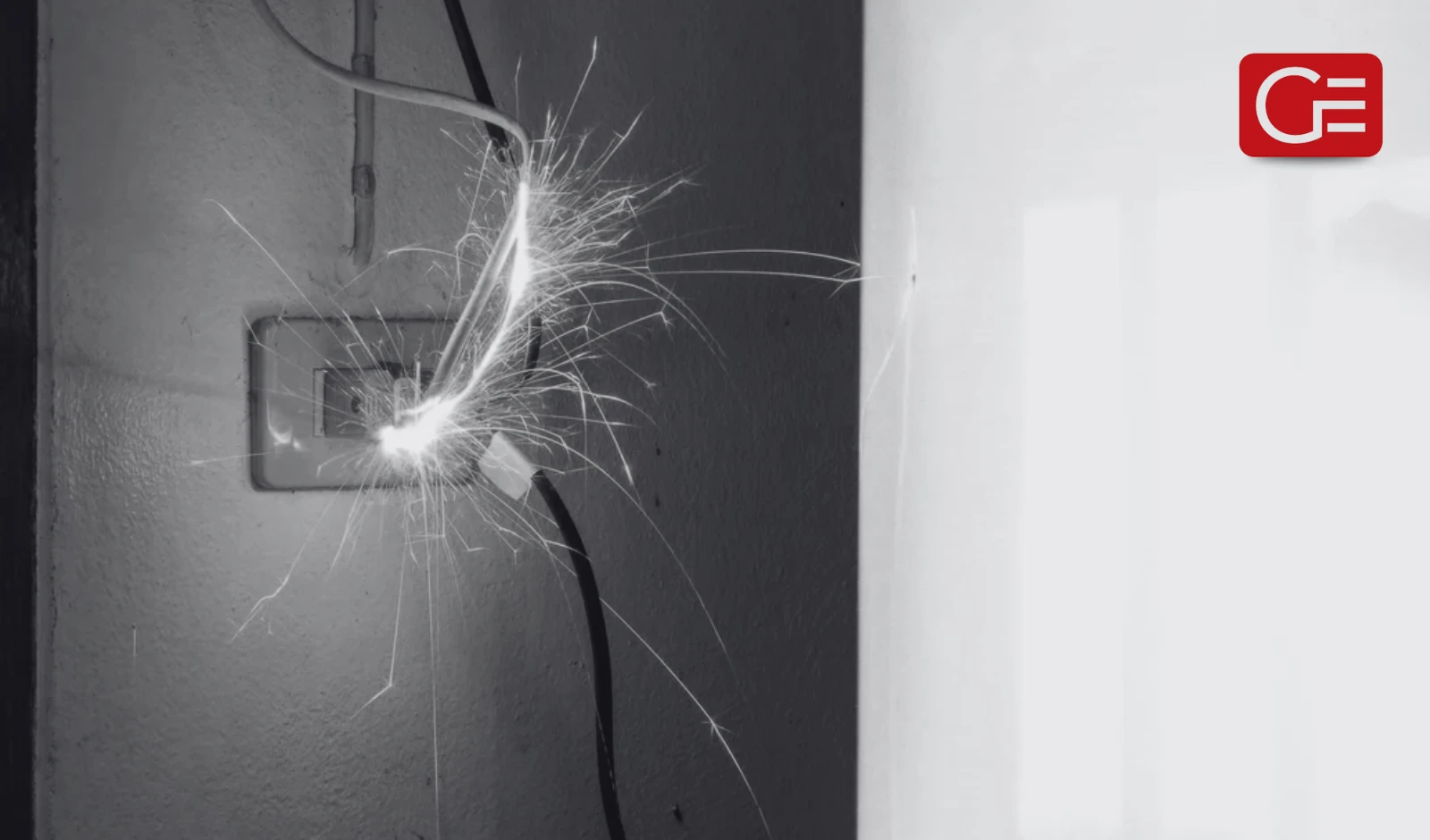
Effects of Short Circuits
This can range from minor damage to serious hazards.
Common effects include:
- Overheating and intense heat
- Damage to appliances and electrical devices
- Tripping of circuit breakers
- Risk of electric shock
- Increased chance of fire
These effects highlight the importance of proper electrical safety in every home.
How Circuit Breakers Help
Circuit breakers are designed to protect your home when a short circuit occurs. They act as a protection device by cutting off power when abnormal current is detected.
This prevents:
- Damage to wiring
- Overheating
- Potential fire hazards
If a breaker trips often, it may indicate a problem in your electrical system.
Warning Signs of a Short Circuit
Several signs may indicate a short circuit in your home.
Watch for:
- Frequent tripping of breakers
- Burning smells near outlets
- Sparks or unusual noises
- Flickering lights
- Warm outlets or switches
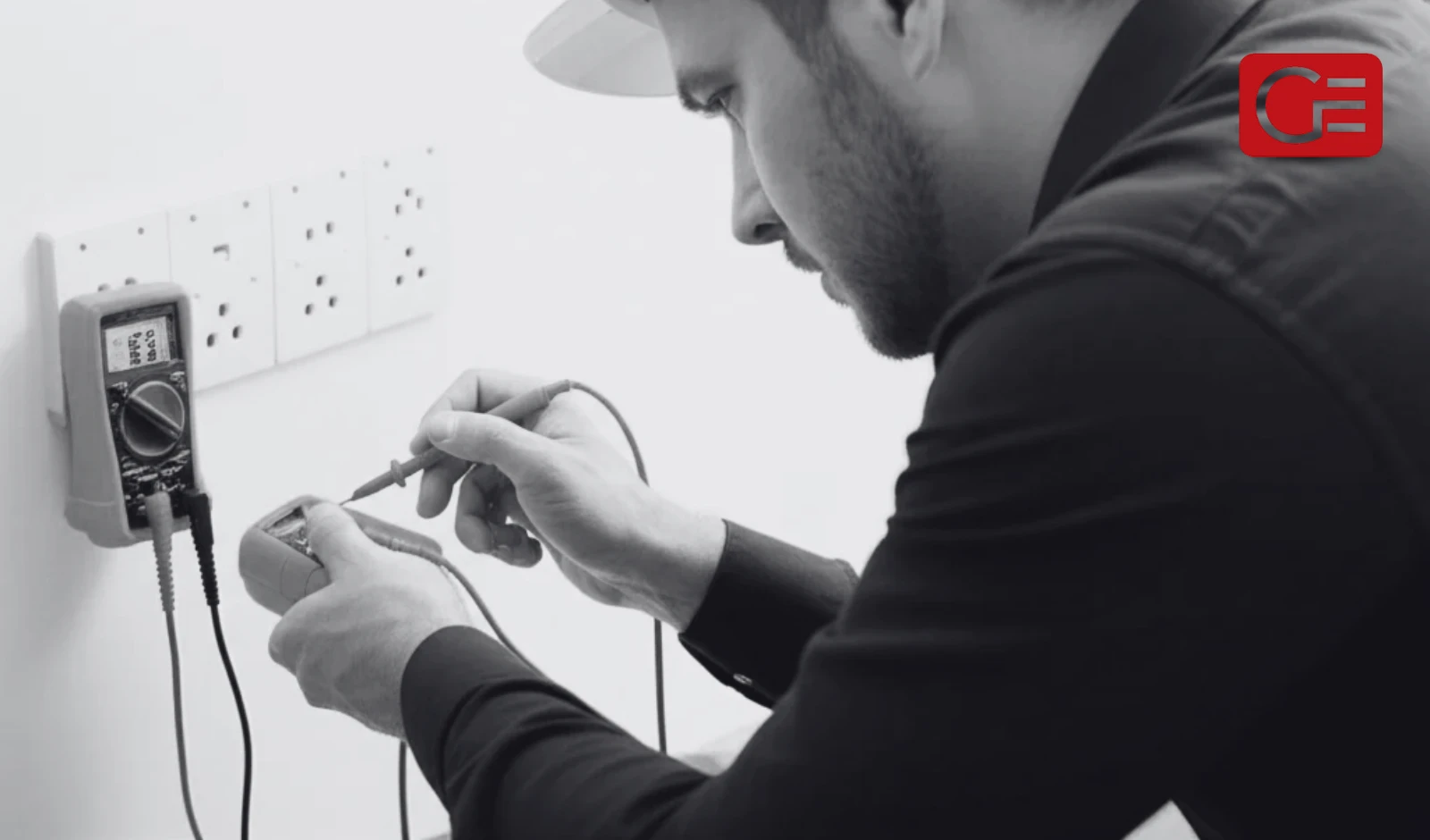
These signs may point to issues within your electrical systems that need attention. If you notice any of these, it’s best to contact a qualified emergency electrician right away to prevent further damage or safety risks.
How to Prevent Short Circuits
Taking preventive steps can help reduce the risk of short circuits.
Helpful preventive measures include:
- Regular inspection of wiring
- Avoiding overloaded outlets
- Using high-quality electrical components
- Fixing loose connections promptly
- Replacing damaged cords and devices
Proper care and maintenance help prevent short circuits and improve safety.
Why Professional Help Is Important
Electrical issues should always be handled with care. Attempting repairs without proper knowledge can increase the risk of injury or damage.
A registered electrician or residential electrician can inspect your system, identify problems, and ensure repairs are done safely. Professional help is especially important if you notice repeated issues or signs of damage.
Final Thoughts
Understanding what a short circuit means helps you recognise the risks and take action early. It can lead to serious problems if ignored, but they are often preventable with proper care.
By maintaining your system and addressing issues quickly, you can improve safety and protect your home from potential hazards.
Stay Safe with Expert Electrical Checks
Keep your electrical system safe, efficient, and running reliably with professional inspection and maintenance you can trust. Regular servicing helps catch hidden faults early and prevents costly repairs down the line.
Call Grammar Electrical on 09 884 6611 to speak directly with a qualified electrician, or book online in minutes at a time that suits you. Take advantage of our limited-time offer and enjoy $15 off your service today.
Auckland’s Trusted Electricians
Fast, reliable electrical repairs, installations & upgrades - available 24/7.
Book Online & Save $15



Got a question?
Contact us for a FREE installation quote or book your job online today.
Same Day Service Guarantee - Terms & Conditions

The "Same Day Service Guarantee or it's Free" applies to:
a. Residential work and Commercial only.
b. Jobs specified as needing same day service when booking a job by phone or online.
c. Residential and Commercial work booked with Grammar Electrical:
i) Before 11:00AM
ii) For calls or online bookings received after 11:00AM, the customer will be offered a job. Booking for the next business day and normal callout fees ($170+ GST) will apply.
iii) Any other jobs booked outside business hours (9:00AM - 5:00PM Monday- Friday) will incur after hours charges.
iv) This offer is excluded for jobs booked on New Zealand public holidays.
d. If Grammar Electrical are unable to attend on the same day (within 24 hours) for a job booked by the customer, the standard callout fee of $170 + GST will be waived and is free, but all other normal charges, fees and expenses will apply to perform the Electrical Services and to provide any products/materials concerning those services.
e. The Standard Callout Fee will be deducted from your bill as long as you pay within your invoice's due date. The callout charge is applicable if your invoice is overdue.
f. If Grammar Electrical are willing and able to perform the Service or provide the Goods on the same day the job is booked, however the Customer for whatever reason does not give access to their property on the day, Grammar Electrical will be deemed to have complied with it's "Same Day or it's Free" guarantee and shall be entitled to charge the customer the standard call-out fee.
g. This offer is not a guarantee of work being completed. The completion of the job will depend on stock availability and also the amount of work required.