




Electricity powers many devices in modern homes, from lights and appliances to heating systems. To keep homes safe, electrical systems include protective devices such as the circuit breaker.
A circuit breaker is designed to automatically shut off power when it detects a problem. This action protects your electrical circuits from overheating or damage that could lead to fire hazards.
Many homeowners wonder what trips a circuit breaker and why it happens. Understanding the common causes of a tripped circuit can help you recognise when the issue is simple and when it may require professional attention.
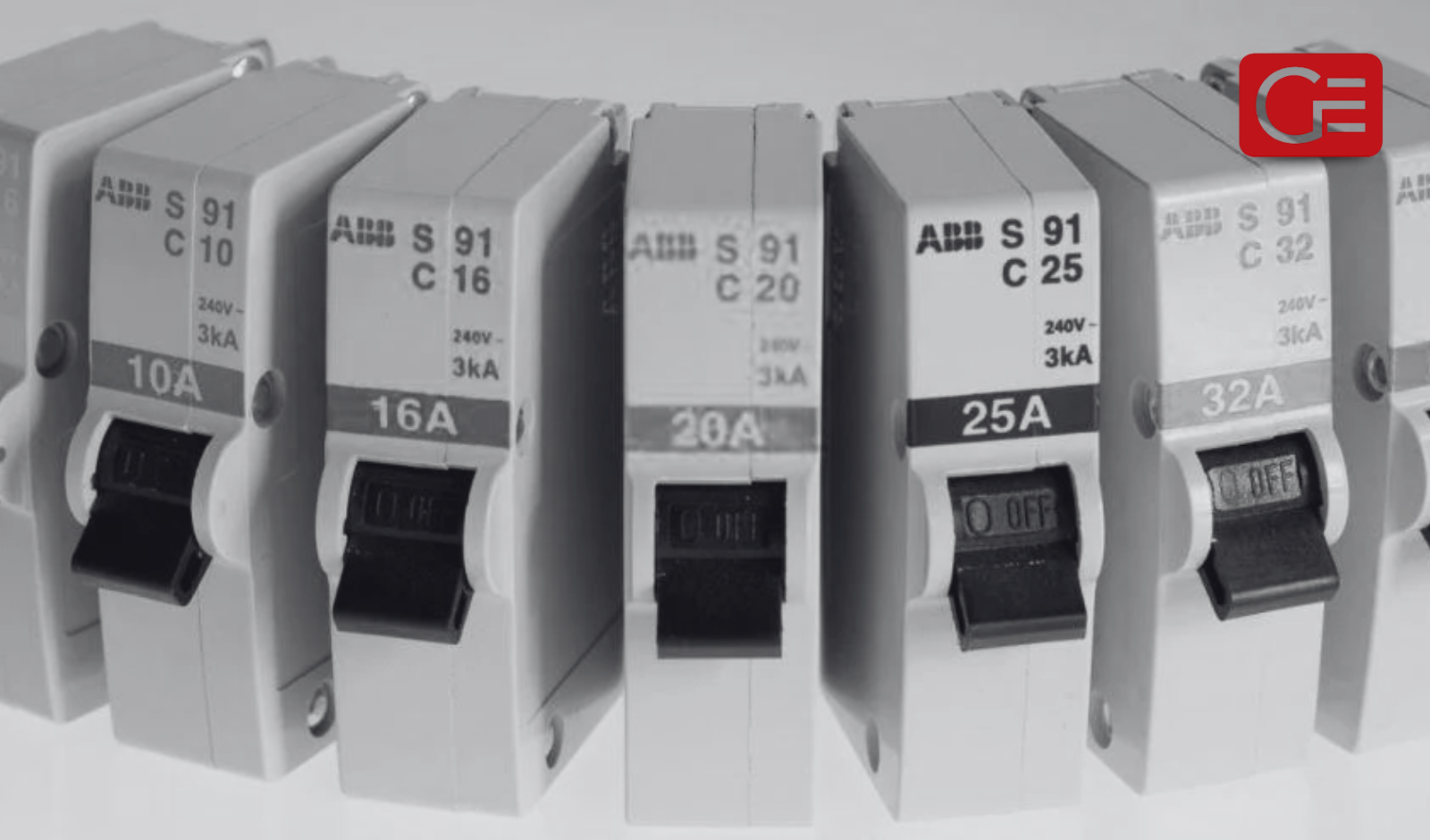
What Is a Circuit Breaker?
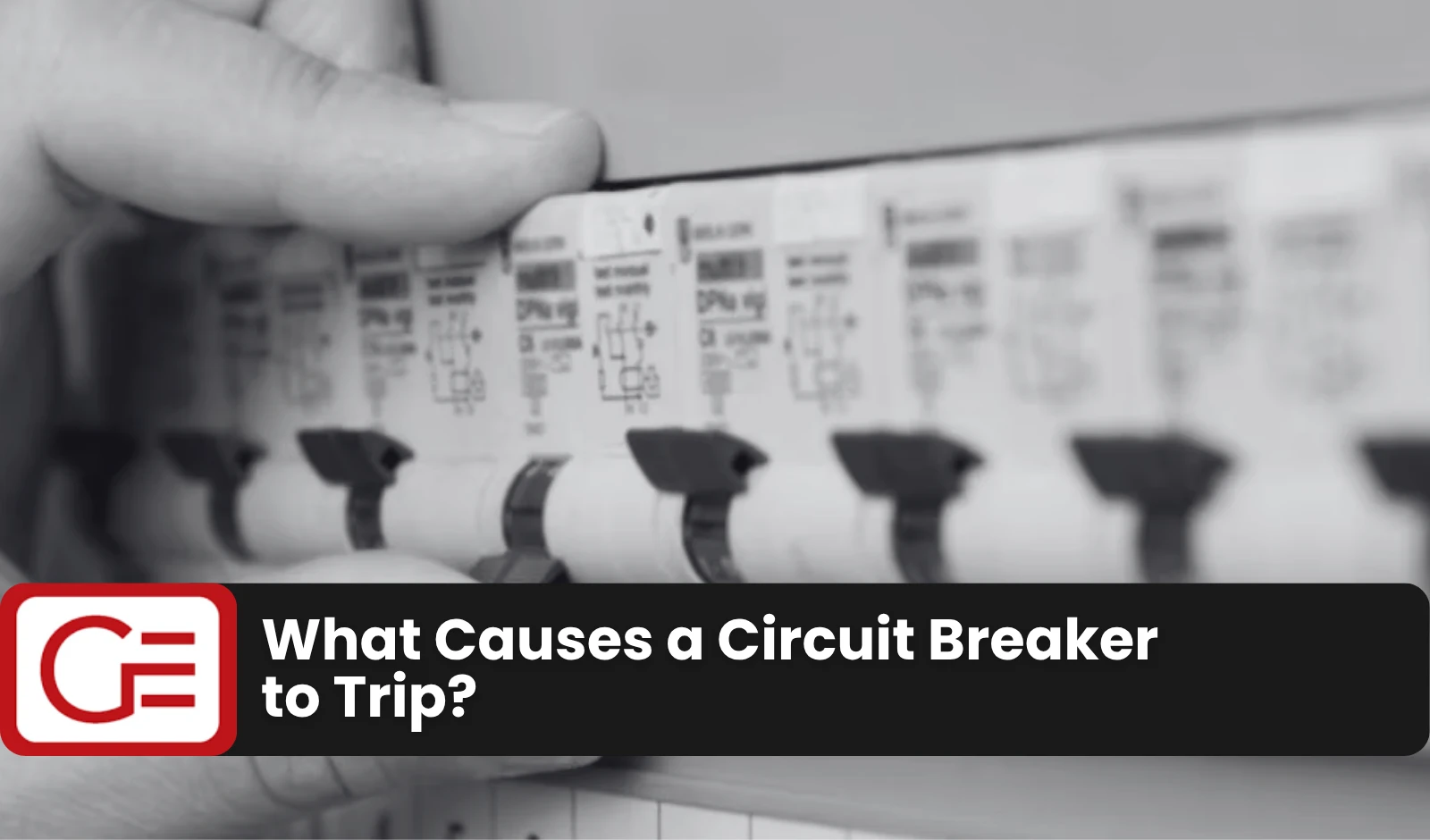
A circuit breaker is a safety device located inside the home’s electrical panel. Its job is to monitor the flow of electricity through your home’s wiring. When the breaker detects unsafe conditions, it shuts off power to that circuit. This process helps prevent overheating, equipment damage, and electrical fires.
A breaker may trip when:
- Too many devices draw power from one circuit
- A short circuit occurs when a hot wire touches another wire or surface
- A ground fault happens in the wiring
When the breaker shuts off power, it creates a tripped circuit that must be reset before electricity returns.
Overloaded Circuit
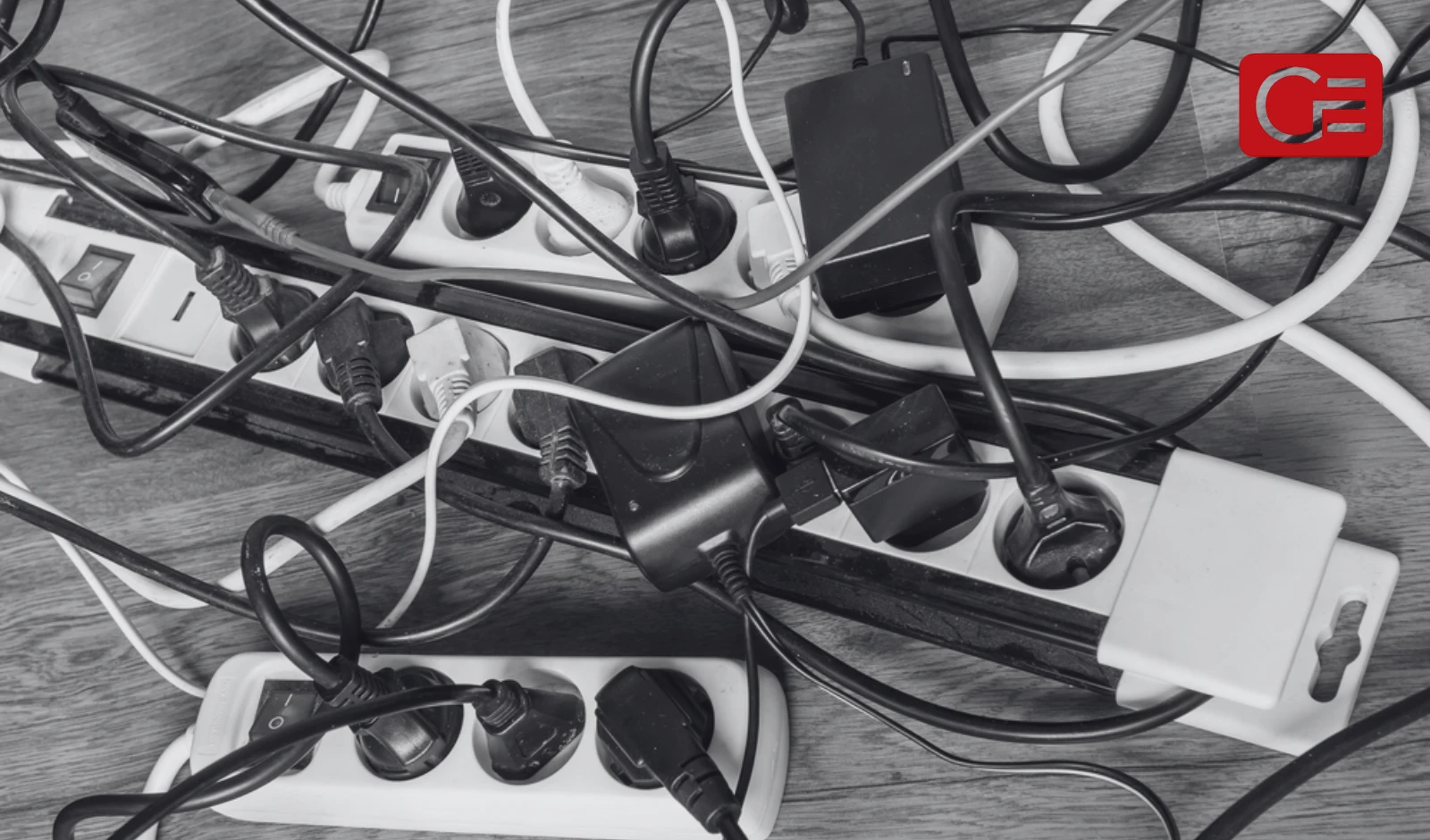
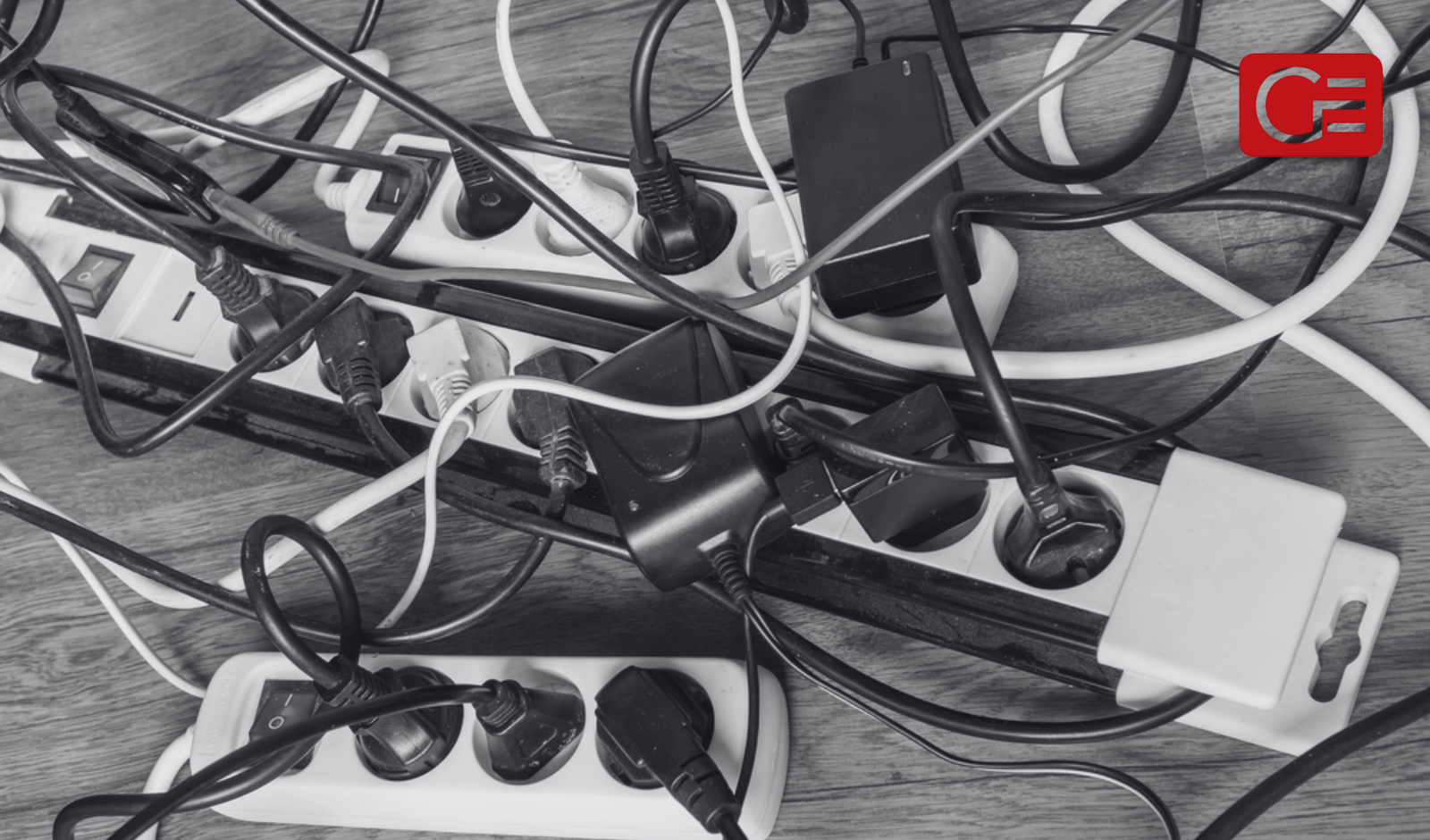
One of the most common reasons a breaker will trip is an overloaded circuit. This occurs when too many electrical devices are connected to the same circuit and draw more electricity than the wiring can safely handle. For example, plugging several high-power appliances into the same outlet can overload the circuit.
Common situations that can trip the breaker include:
- Running multiple kitchen appliances at once
- Using high-wattage heaters or air conditioners
- Plugging many devices into power strips
When this happens, the circuit breaker shuts off power to prevent overheating.
Short Circuits
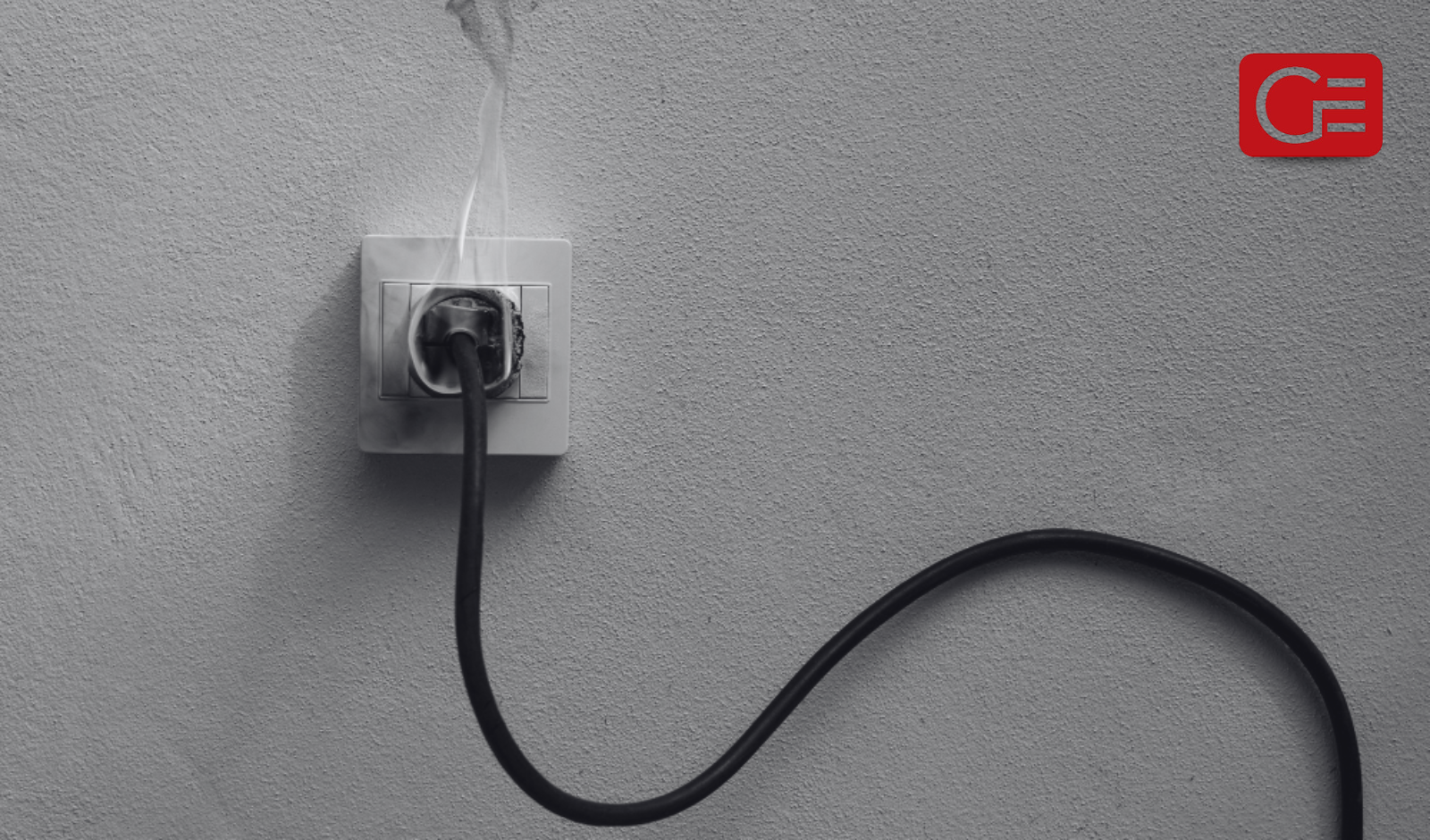
A short circuit occurs when a hot wire touches another wire, such as a neutral wire or ground wire. This creates a sudden surge of electricity.
Short circuits can cause:
- Sparks or burning smells
- Damage to wiring
- Increased risk of electrical fires
Because short circuits are dangerous, the circuit breaker shuts off power immediately to protect the system.
Ground Faults
A ground fault happens when electricity leaves the normal path of a circuit and travels through a ground wire or another grounded surface. Ground faults can occur when wiring is damaged or when electrical equipment comes into contact with water or moisture.
This type of electrical fault can be dangerous because it may increase the risk of electric shock. To prevent injury and fire hazards, the circuit breaker automatically shuts off power when it detects a ground fault. A residential electrician can help you check and fix the issue to avoid any other issues.
Faulty Appliances or Wiring
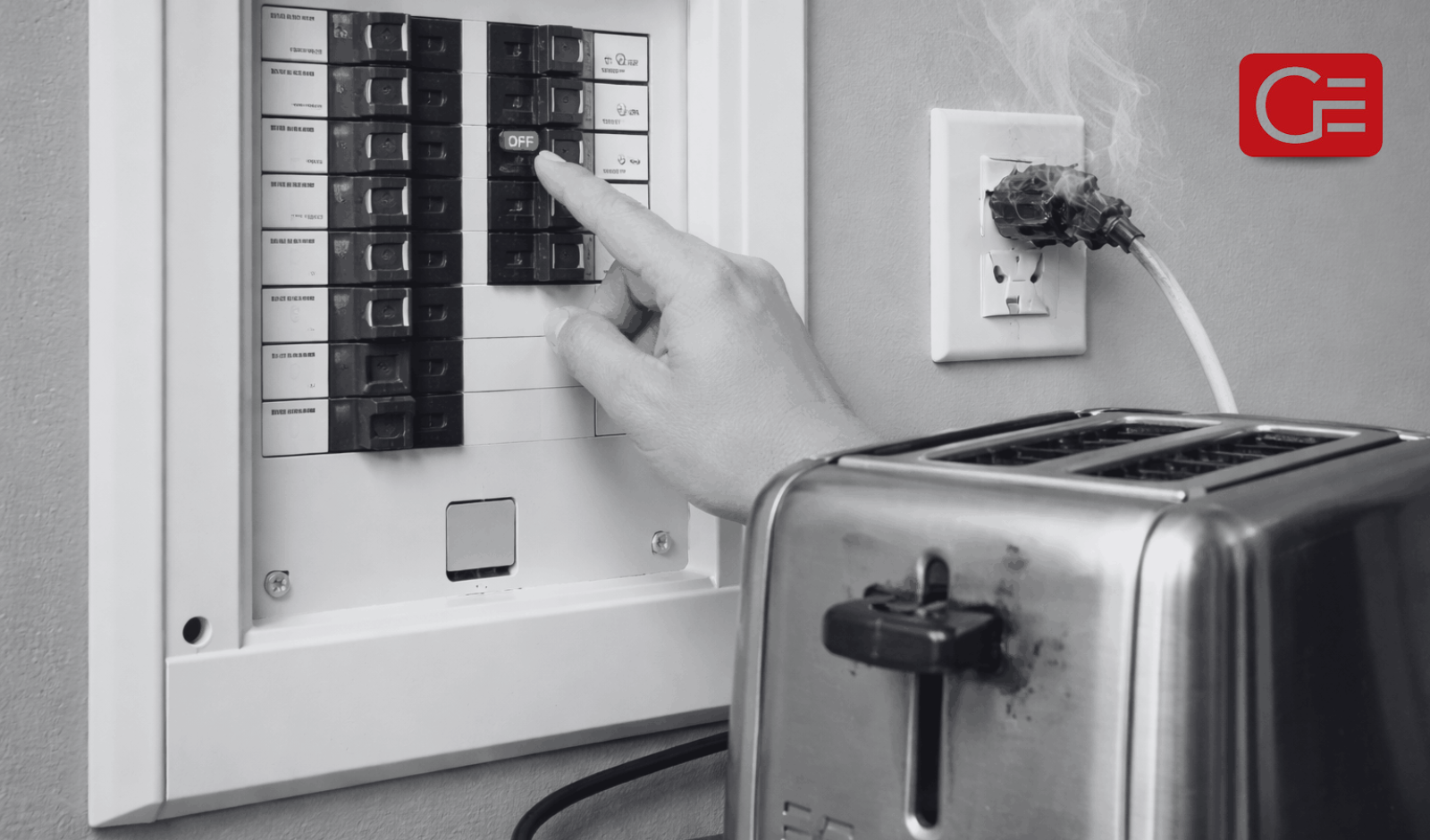
Sometimes a breaker keeps tripping because of faulty appliances or damaged wiring. Electrical devices with worn cords or internal faults may cause irregular electrical flow. When this happens, the breaker detects the problem and shuts off power.
Signs that an appliance may be causing the issue include:
- A burning smell
- Sparks when plugging in a device
- A tripped circuit when a specific appliance is used
If you notice these warning signs, unplug the device and avoid using it until it can be inspected. You can always call an emergency electrician to check.
Problems in the Electrical Panel
Occasionally, the issue may be inside the electrical panel itself. Over time, circuit breakers can wear out or become damaged. Loose wiring or aging electrical components may also cause a breaker to trip.
If a breaker trips frequently without a clear reason, the problem could be related to the panel or other parts of the electrical system. A registered electrician visit may be needed to identify and fix the issue safely.
Final Thoughts
Understanding what trips a circuit breaker can help homeowners recognise warning signs and prevent electrical problems.
Circuit breakers are designed to protect homes from electrical damage, overloaded circuits, and dangerous faults such as ground faults or short circuits. When a breaker shuts off power, it is usually responding to a safety issue within the electrical circuits.
If the breaker keeps tripping or you notice unusual signs such as sparks or a burning smell, it is best to have the system inspected by a qualified professional. Keeping your electrical system in good condition helps reduce risks and keeps your home safe.
Professional Electrical Inspection and Repairs
Frequent breaker issues can indicate a problem with your electrical system, wiring, or appliances. A professional inspection can help identify the cause and prevent potential fire hazards.
Give Grammar Electrical a call on 09 884 6611 or book online and save $15. Our team is ready to help you with your electrical needs.
Auckland’s Trusted Electricians
Fast, reliable electrical repairs, installations & upgrades - available 24/7.
Book Online & Save $15



Got a question?
Contact us for a FREE installation quote or book your job online today.
Same Day Service Guarantee - Terms & Conditions

The "Same Day Service Guarantee or it's Free" applies to:
a. Residential work and Commercial only.
b. Jobs specified as needing same day service when booking a job by phone or online.
c. Residential and Commercial work booked with Grammar Electrical:
i) Before 11:00AM
ii) For calls or online bookings received after 11:00AM, the customer will be offered a job. Booking for the next business day and normal callout fees ($170+ GST) will apply.
iii) Any other jobs booked outside business hours (9:00AM - 5:00PM Monday- Friday) will incur after hours charges.
iv) This offer is excluded for jobs booked on New Zealand public holidays.
d. If Grammar Electrical are unable to attend on the same day (within 24 hours) for a job booked by the customer, the standard callout fee of $170 + GST will be waived and is free, but all other normal charges, fees and expenses will apply to perform the Electrical Services and to provide any products/materials concerning those services.
e. The Standard Callout Fee will be deducted from your bill as long as you pay within your invoice's due date. The callout charge is applicable if your invoice is overdue.
f. If Grammar Electrical are willing and able to perform the Service or provide the Goods on the same day the job is booked, however the Customer for whatever reason does not give access to their property on the day, Grammar Electrical will be deemed to have complied with it's "Same Day or it's Free" guarantee and shall be entitled to charge the customer the standard call-out fee.
g. This offer is not a guarantee of work being completed. The completion of the job will depend on stock availability and also the amount of work required.